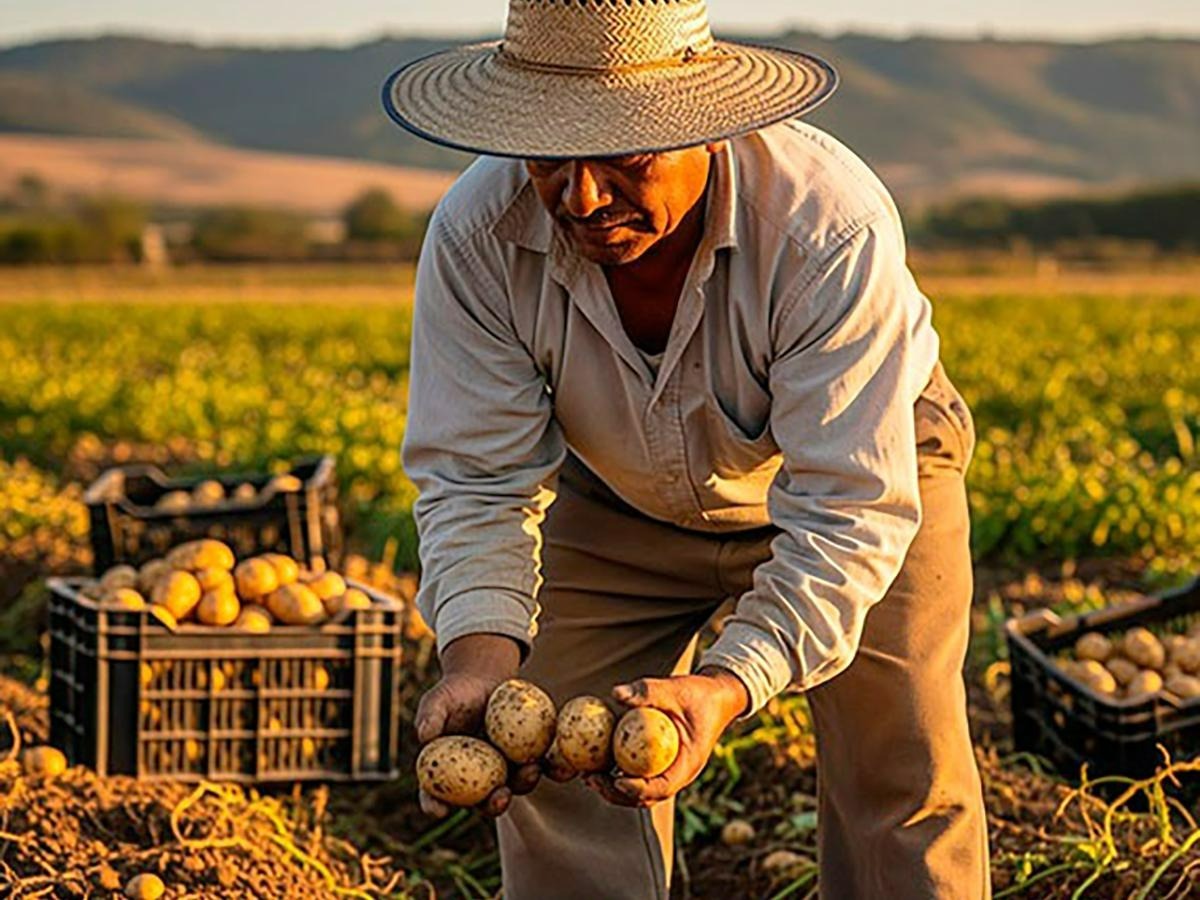
Mexico’s potato sector is undergoing a meaningful shift as growers increasingly adopt biostimulants to improve crop performance, reduce stress and boost yields. With rising production costs, unpredictable climate conditions and pressure for more sustainable farming practices, biostimulants are emerging as a strategic tool for producers.
This transition reflects a global movement documented on Potatoes News, where farmers from Latin America, Europe and Asia are integrating biological solutions to strengthen plant health and resilience.
Why Are Mexican Growers Embracing Biostimulants?
Rising Climate Stress
Drought, temperature fluctuations and irregular rainfall patterns have pushed growers to seek tools that help plants tolerate abiotic stress.
Biostimulants — especially those based on seaweed extracts, humic acids and microbial formulations — are showing clear benefits in helping crops recover faster.
Improved Nutrient Efficiency
Farmers report that biostimulants enhance root development, nutrient uptake and uniformity in tuber formation.
With fertilizer prices rising globally, improving nutrient-use efficiency has become essential.
Better Yields and Quality
Field results suggest more uniform tuber size, reduced physiological defects and stronger early growth.
This is particularly valuable in Mexico’s competitive fresh-market and processing segments.
A Trend in Line with Global Potato Innovations
Across Potatoes News, similar developments have been noted:
- In Colombia, biostimulants help farmers cope with low profitability and soil fatigue.
- In India, processors are promoting biostimulant programs to stabilize supply quality.
- In Europe, biostimulants are tied to sustainability goals and environmental regulations.
Mexico is following the same trajectory — balancing productivity with environmental resilience.
What Are Farmers in Mexico Seeing in the Field?
Producers highlight several practical benefits:
- stronger early emergence
- enhanced root vigor
- better tolerance during dry spells
- more homogeneous tuber sizing
- improved post-harvest appearance
These improvements translate into higher market value and reduced losses — critical as production costs continue to climb.
Key Biostimulant Categories Gaining Ground in Mexico
Microbial Consortia
Promote soil health, stimulate root growth and support nutrient cycling.
Seaweed Extracts
Enhance stress tolerance and improve plant metabolism.
Amino Acid Formulations
Help plants recover from heat, drought and mechanical stress.
Humic and Fulvic Acids
Boost soil structure, nutrient retention and microbial activity.
Processors and seed companies in Mexico are increasingly recommending biostimulant programs tailored to specific varieties.
Market Drivers Behind the Shift
Focus on Sustainability
Biological inputs complement integrated crop management systems, reducing reliance on chemical products.
Need for Consistency
Processors require predictable supply and stable quality. Biostimulants help reduce variability in yield and tuber characteristics.
Price Volatility
When production costs rise, growers look for efficiency tools that deliver return on investment.
Potatoes News Analytics: What This Means for the Sector
Biostimulant adoption in Mexico signals:
- a more mature, technology-driven potato industry
- stronger integration between research, seed companies and growers
- greater focus on soil health and long-term sustainability
- increased resilience to climate risks
This aligns with broader regional trends observed in Brazil, Chile and Peru.
Conclusion
Mexico’s potato sector is entering a new phase where biological solutions play a central role in production strategies. As growers seek resilience, efficiency and better quality, biostimulants are becoming a key pillar of modern potato management.
The important question now is:
Will biostimulants become a standard component of potato production programs across Mexico in the coming years?
México: Cultivo de papa se abre paso al uso de bioestimulantes
argenpapa.com.ar/noticia/16762-