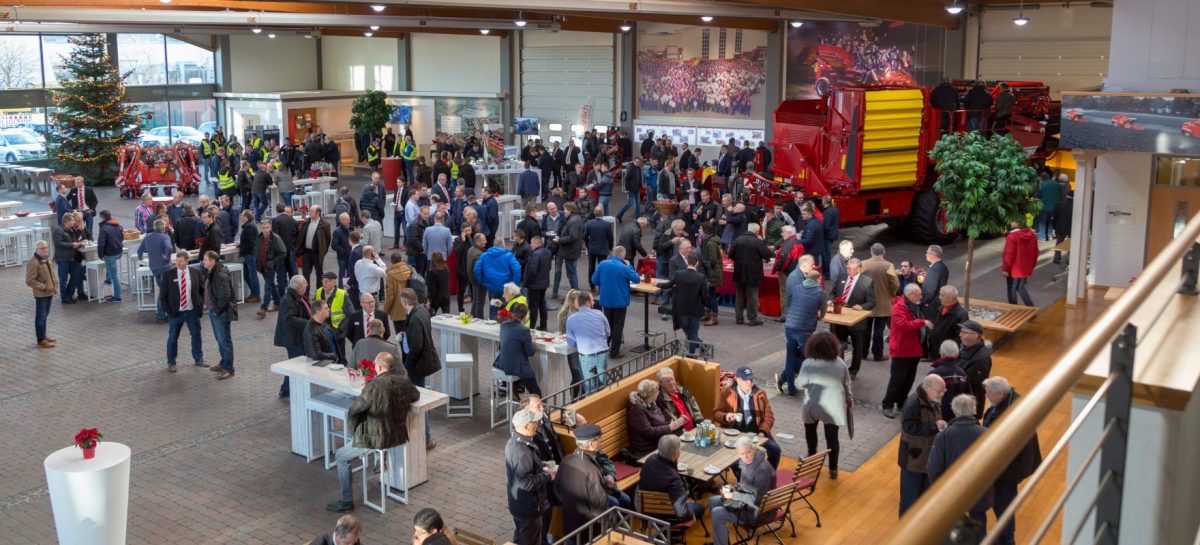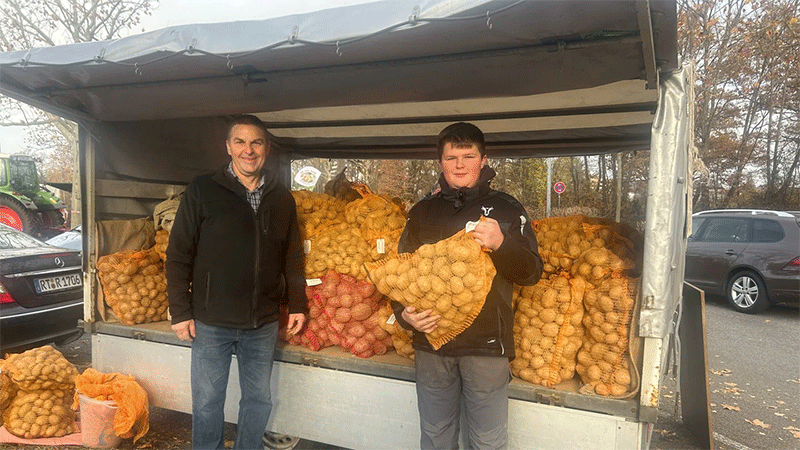


At the long-running Reutlingen potato market in Germany, farmer Mathias Rudolf offers a glimpse into a enduring agricultural tradition: the preponderance of female names for potato varieties. From classics like ‘Linda’ and ‘Annabelle’ to newer introductions like ‘Emiliana’ and ‘Antonia’, this naming convention is a deeply ingrained part of European potato culture. As one farmer jokingly noted, the practice stems from the potato’s perceived character—it can be “demanding and sometimes a bit finicky,” requiring careful nurturing and a deep understanding of its specific needs. This tradition of personification underscores the intimate knowledge required for successful cultivation, a relationship that is now being tested by climate change. Rudolf observes that classic regional varieties are being gradually displaced by more resilient types, a trend reflected across the continent where heat, drought, and flooding are increasingly impacting yields and quality.
The shift Rudolf describes, from traditional Swabian varieties like ‘Granola’ to more resilient types like the red-skinned ‘Bellarosa’, is a microcosm of a broader industry adaptation. The need for climate-resilient potatoes is urgent. A 2023 study in Nature Climate Change highlighted that for every degree Celsius of global warming, potato yields are projected to decline by 2-6% without significant adaptation. This drives intensive breeding programs focused on traits like heat stress tolerance and resistance to tuber rot from waterlogging. The success of new varieties such as ‘Antonia’, which impressed Rudolf with its disease resistance and smooth skin, is critical for future productivity. Concurrently, consumer preferences are shaping the market, with a clear trend towards firm, waxy potatoes ideal for potato salads and boiling, further guiding which new, resilient varieties achieve commercial success. This intersection of agronomic necessity and market demand dictates that the next generation of “Linas” and “Annabelles” will need to be not just palatable, but also profoundly tough.
The tradition of naming potatoes with female personae charmingly reflects the crop’s specific demands and the farmer’s role as a careful steward. However, this tradition is now evolving under the pressure of a changing climate. The future of potato cultivation will depend on our ability to breed and select varieties that retain the quality and character associated with their names, while possessing the inherent resilience to withstand new environmental challenges. The success of farmers like Rudolf depends on a continuous pipeline of improved genetics, proving that a name might capture a potato’s soul, but its hardiness will determine its survival.