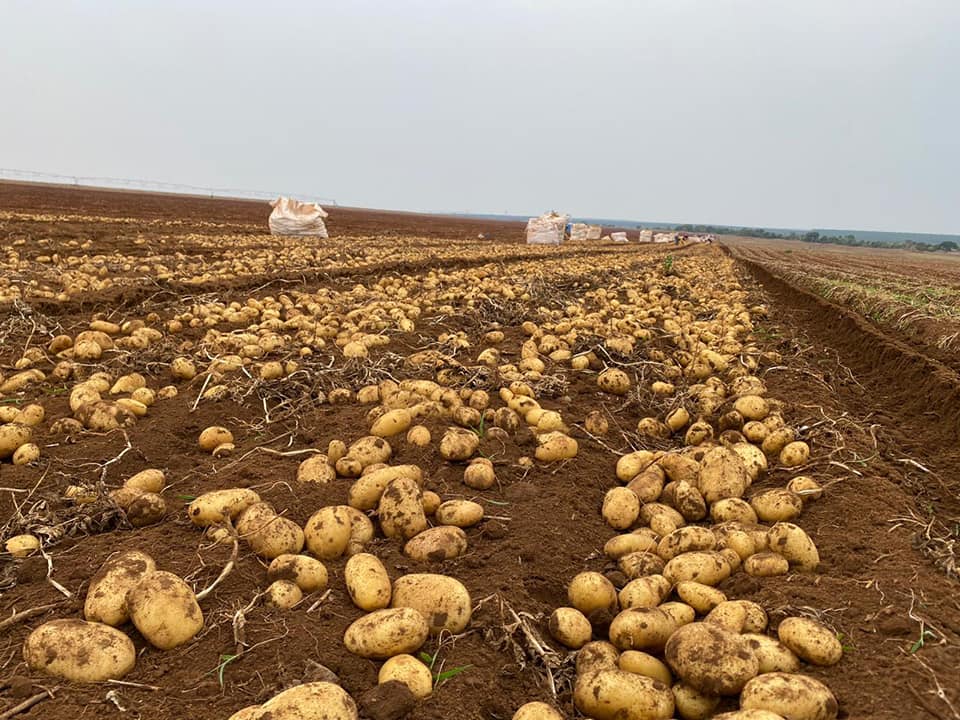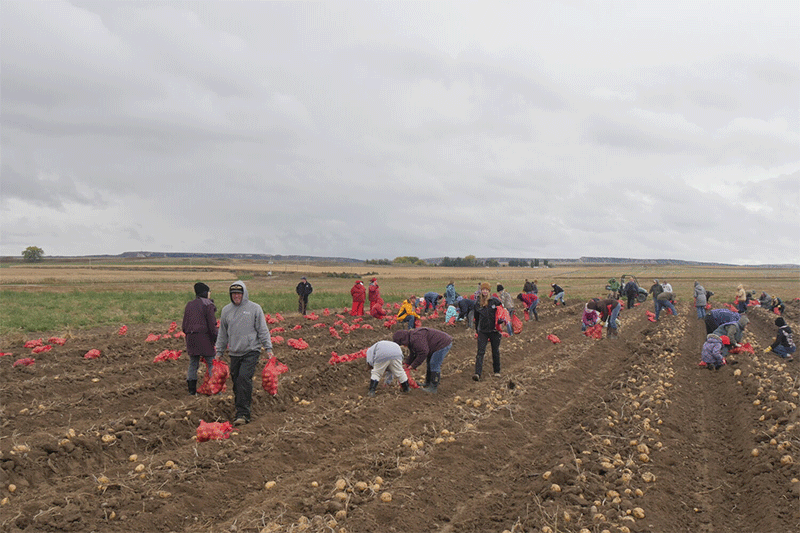
In a single morning on October 18th, a force of 80 volunteers braved adverse weather to harvest 11,096 pounds of potatoes at the University of Wyoming’s Sustainable Agriculture Research and Extension Center (SAREC). This event, the fifth annual Potato Harvest, was not just a testament to community spirit but a critical intervention in the state’s food system. The potatoes, destined for the Food Bank of Wyoming, will be distributed through a network of over 150 Hunger Relief Partners, directly addressing food insecurity with a locally grown, nutritious staple. The choice of potato is strategic; its renowned shelf life is a key asset in reducing food waste, a major issue in food aid logistics. According to ReFED, in the United States, over 38% of all food goes unsold or uneaten, and fresh produce is particularly vulnerable. By providing a durable vegetable, this initiative maximizes the impact of every pound harvested.
The success of this harvest is particularly significant as it occurred despite the scaling back of the University of Wyoming’s Cen$ible Nutrition Program, which lost its federal funding. This underscores a growing trend: the reliance on agile, community-powered partnerships to fill gaps in the social safety net. The collaboration between a research institution (SAREC), a non-profit (Food Bank of Wyoming), and diverse civic groups—from volunteer firefighters to community gardeners—creates a resilient and decentralized model for local food production and distribution. This aligns with data from the National Sustainable Agriculture Coalition, which emphasizes that strengthening local and regional food systems is crucial for building community resilience to economic and environmental shocks. The fact that this harvest has grown annually in both yield and participation since 2021 demonstrates a sustainable, bottom-up approach to food security that is deeply integrated with the agricultural landscape.
The Wyoming Potato Harvest is more than a charitable event; it is a potent blueprint for the future of community-centric agriculture. It demonstrates that the value of farming extends beyond bushels per acre to encompass social cohesion, nutritional access, and systemic resilience. For farmers, agronomists, and policymakers, it serves as a powerful reminder that some of the most impactful agricultural innovations are not in seeds or chemicals, but in the models we build to connect our fields directly to the tables of those in need. In an era of uncertainty, such hyper-local, collaborative networks are becoming an indispensable part of a robust and equitable food system.