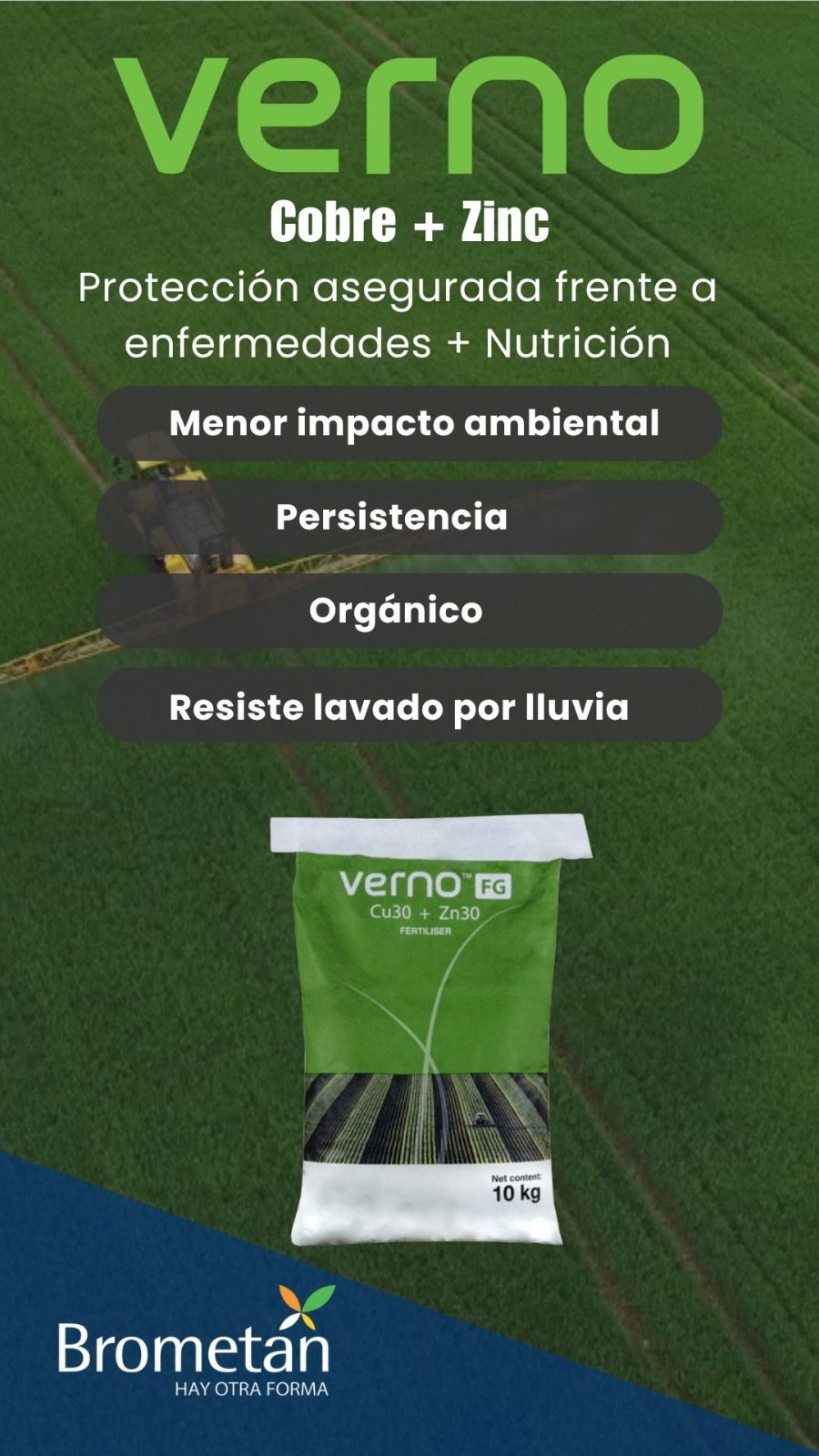


In the evolving landscape of potato production, sustainability and innovation are increasingly becoming key differentiators. The article “Con Verno, el cultivo protegido con un sello sustentable” published by Argenpapa provides a compelling overview of how the Con Verno system integrates protected cultivation (in greenhouses) with sustainability credentials in Argentina.¹ This article summarizes and analyses the main insights, while highlighting implications for the global potato sector and readers of Potatoes .News.
What is Con Verno?
The system known as Con Verno represents a model of protected-crop potato production that embeds a “sustainable seal” (sello sustentable) into its design and operation.¹ The approach emphasises controlled greenhouse environments, resource efficient systems, and stringent sustainability standards for certified output destined for fresh markets.
Key elements of the system include:
- Use of protected structures (greenhouse or similar) to better regulate environmental parameters.
- Integration of efficient irrigation, fertigation and climate‐control systems to optimise crop performance and reduce resource waste.
- Adoption of sustainability certification and traceability to assure end‐buyers of responsible production practices.¹
- Focus on high-quality tuber yields suitable for premium fresh markets, leveraging the controlled environment to manage pests, diseases and external climate variability.
Thus, Con Verno is not simply about potato production under cover—it explicitly ties the technology and production protocols to a marketable sustainability brand.
Why this matters for potato growers
For potato producers and their value‐chain partners, adopting protected‐cropping systems with sustainability credentials offers multiple advantages:
- Enhanced quality and uniformity – By growing under controlled conditions, tuber size, shape and quality can be more consistent, meeting premium market demands better than open‐field crops.
- Resource efficiency – The Con Verno model shows that efficient water, nutrient and energy use becomes feasible in protected environments, reducing input per unit of output.¹
- Sustainability as differentiation – In markets where consumers and retailers increasingly demand environmentally and socially responsible production, having a “sustainable seal” becomes a marketing asset—not just a compliance cost.
- Risk mitigation – Protected cultivation helps guard against external stressors such as extreme weather, pests and diseases, which are increasingly frequent in many potato growing regions.
- Premium market access – For fresh potato segments especially in high‐end retail or export channels, the combination of quality plus sustainability credentials may command higher prices or open new markets.
Learnings from the Argentine experience
From the Argenpapa article, several practical lessons emerge which can be instructive for growers elsewhere:
- The importance of infrastructure investment: Building protected systems requires upfront capital and careful design to ensure that the benefits (quality, yield, resource efficiency) offset the costs.
- Certification and traceability are central: The “sello sustentable” is credible only when backed by documented practices, audits or inspections and end‐to‐end traceability from seed to tuber.¹
- Adaptation to local conditions: While the model is applied in Argentina, climate, pest pressures and market dynamics differ in other regions—so local adaptation (greenhouse design, cultivar choice, fertigation regimes) is crucial.
- Market alignment: Growers must identify buyers willing to pay for premium quality and sustainability—not simply produce a “sustainable potato” and hope the market appears.
- Integrated crop management: Despite the protected environment, fundamental agronomic aspects—variety selection, seed health, crop rotation (where applicable), disease monitoring—remain critical. The controlled environment supports but does not replace good agricultural practice.
Implications for the International Potato Tour (IPT) / МКТ readers
For the global potato community tracking innovation through the International Potato Tour (IPT) and its Russian-language counterpart МКТ, the Con Verno case offers several takeaways:
- Emerging trend: Protected cultivation tied to sustainability branding is likely a rising trend globally, not just in potatoes but in other horticultural crops. Potato growers should monitor whether this model becomes mainstream.
- Export opportunities: For exporters from regions like Latin America, Eastern Europe or Central Asia, using a verified sustainability seal may aid market entry into demanding markets (EU, Japan, North America) or secure premium pricing.
- Technology transfer: Researchers, extension services and providers of protected‐crop infrastructure (tunnels, greenhouses, climate control) should explore how to adapt the Con Verno model to other geographies.
- Stakeholder communication: The link between production method (protected, efficient, sustainable) and consumer/retail narrative is important. Growers should be ready to communicate sustainability credentials—not just produce them.
- Risk management: The controlled environment model can help buffer against climate change-related risks (heat, drought, floods) which are increasingly relevant for the potato sector globally.
Challenges and caution points
While the Con Verno model is promising, growers and stakeholders should be pragmatic about potential challenges:
- Capital intensity: Infrastructure and certification costs may be high; small and medium-scale producers may struggle without cooperative or contract arrangements.
- Market risk: The premium for “sustainable, protected‐crop potatoes” depends on buyer willingness; without committed offtake contracts, the model may not pay off.
- Operational complexity: Protected systems require more technical management (climate, disease control, nutrient management) than traditional field crops—growers must be prepared.
- Localization: What works in one region (Argentina) may need adaptation elsewhere (soil types, pests, labour availability, energy cost).
- Branding authenticity: The value of the “sustainable seal” depends on credible governance—greenwashing risks can undermine trust among buyers and consumers.
Conclusion
The Con Verno initiative in Argentina stands out as a forward‐looking example of how the potato sector can combine protected‐crop technologies with sustainability branding to meet premium market demands. For growers, exporters and value‐chain partners globally, the key messages are clear: investing in protected infrastructure and ensuring credible sustainability credentials can offer differentiation, access to better markets, and resilience against external pressures.
For the readership of Potatoes .News—including participants in the International Potato Tour (IPT) and МКТ—this case invites reflection on whether similar models could be adapted in regions such as Eastern Europe, Central Asia or Africa. The convergence of technology, market expectations and sustainability creates a compelling opportunity—but one that must be approached with careful design, credible certification and sound agronomic management.
¹ “Información Técnica: Con Verno, el cultivo protegido con un sello sustentable”, Argenpapa, at argenpapa.com.ar/noticia/16673-