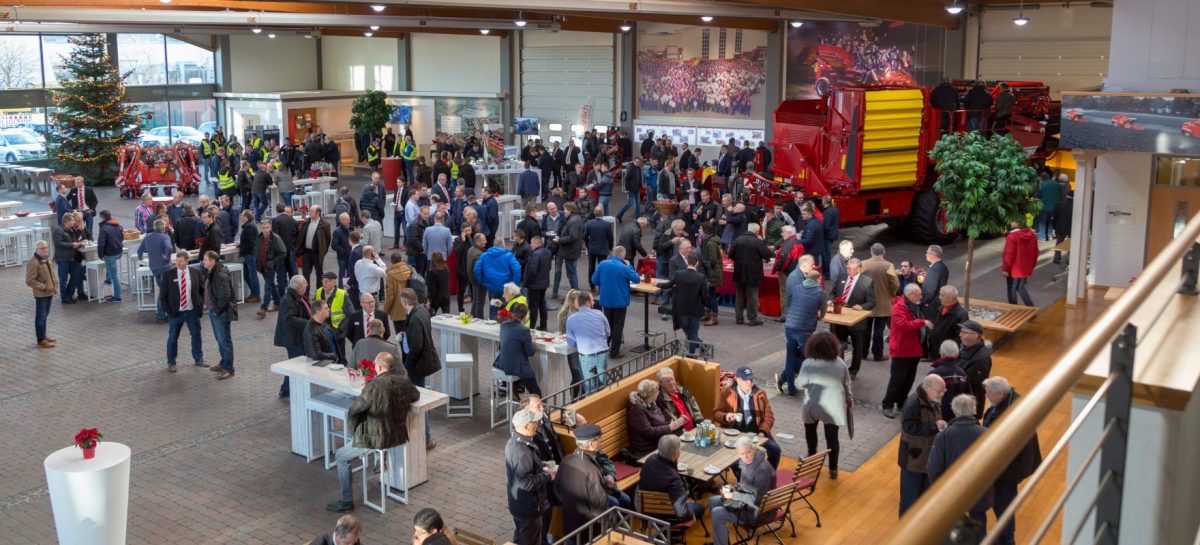


In an era where agricultural operations face immense pressure from market volatility and input costs, the 20-year journey of Aurora LLC stands out as a testament to strategic, long-term planning. Starting from a modest base of 200 hectares of land with only 50 hectares dedicated to potatoes, the company has systematically expanded its potato planting area more than fourfold over two decades. This growth is not just in scale but in sophistication, culminating in an annual production of over 5,000 tons of potatoes and the development of its own registered variety, the ‘Babyninsky’. Aurora’s success is built on a tripod of core principles: continuous technological modernization, agronomic diversification, and deep-rooted social integration, which together have earned it the “Brand of the Year-2025” title for Kaluga Oblast.
The Pillars of Productivity: Technology, Genetics, and Diversification
The operational backbone of Aurora’s success is its commitment to modern, efficient machinery. The company’s policy of regularly updating its tractor and implement fleet ensures high field efficiency and productivity. This is critical in a region like Central Russia, where the optimal window for planting and harvesting is narrow. Investing in reliable equipment minimizes downtime and maximizes yield potential, a lesson underscored by global data; a report by the FAO on agricultural mechanization found that appropriate mechanization can raise productivity by up to 50% by ensuring timely operations and reducing crop losses.
Beyond machinery, Aurora has invested in its own genetic capital. Cultivating over 80 varieties and developing its own proprietary strain is a strategic move that provides a significant competitive edge. This focus on breeding allows them to select for traits suited to their specific local conditions and market demands, such as disease resistance, storability, and culinary quality. This mirrors a global trend where leading farms are increasingly involved in participatory breeding to gain more control over their primary input. Furthermore, Aurora’s diversification into grain and dairy cattle provides a crucial risk management strategy. This integrated approach stabilizes income streams, as the profitability cycles of crops and livestock are often not synchronized, allowing revenue from one sector to buffer downturns in another.
The Social License to Farm
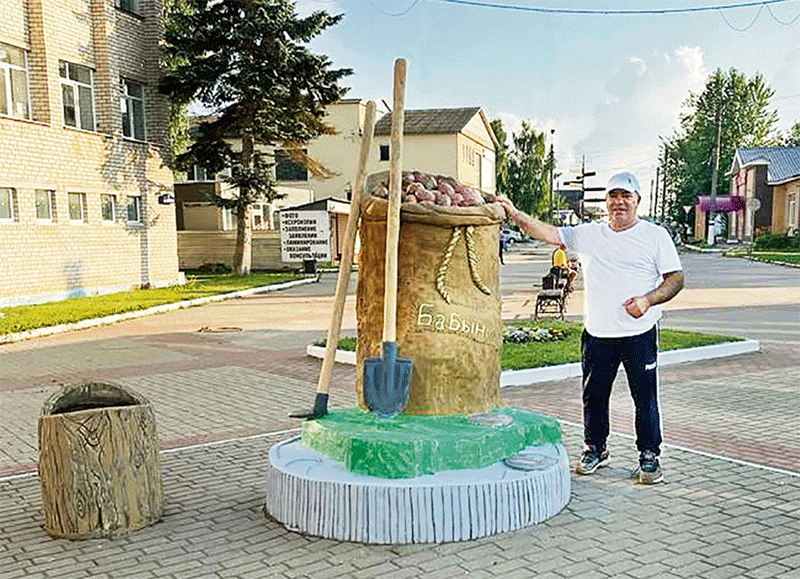
Perhaps the most distinctive aspect of the Aurora LLC model is its profound connection to the local community. The leadership of Balakhan Safarov, who was elected as a district deputy with widespread support, highlights that agricultural success is not solely measured in tons per hectare. The company’s decade-long sponsorship of a regional Potato Festival and its provision of humanitarian aid, including regular shipments of potatoes to the military, build a powerful “social license to operate.” This fosters immense local goodwill, which can translate into a stable workforce and a supportive regulatory and political environment. In conclusion, Aurora LLC demonstrates that the most resilient agricultural enterprises are those that are not just efficient producers but also integral parts of their social and economic fabric. Their blueprint—combining scale with specialization, technology with tradition, and business acumen with social responsibility—offers a compelling model for farm owners everywhere.