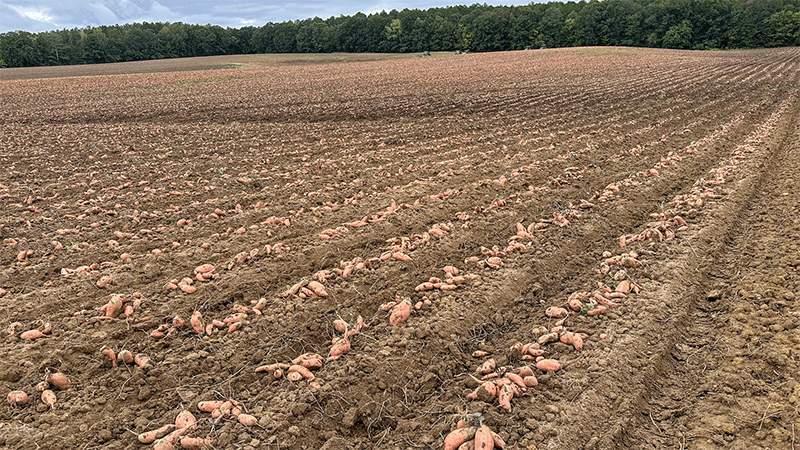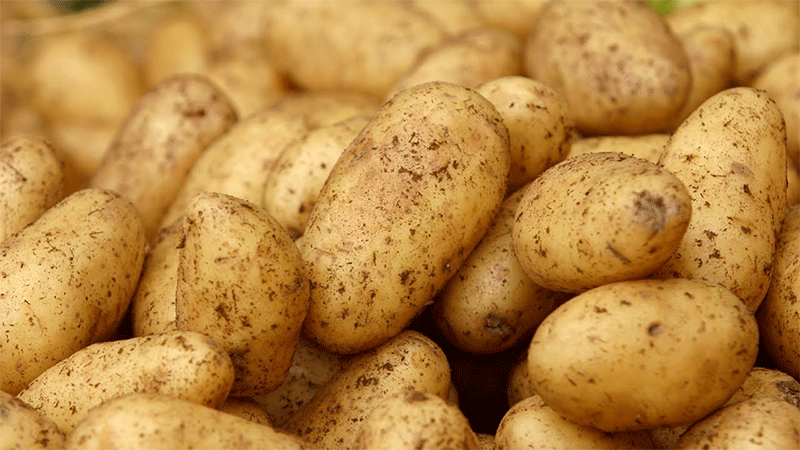
The 2024 Belgian potato harvest is nearing completion with approximately 90% of the crop lifted, revealing a complex picture of abundance and market tension. While yields are strong and overall quality is good, the season has been marked by climatic influences—a hot, dry summer has resulted in higher than average dry matter content in many varieties. This presents both an opportunity for processing sectors and a challenge for table stock, as some batches show tendencies for faster sprouting and visual deterioration post-harvest. The resulting volume, which exceeds last year’s crop, has created immediate supply pressure. As noted by Jurgen Duthoo of Belgian potato specialist Warnez, the lack of uniform storage suitability is forcing some growers to sell directly post-harvest, further depressing prices in an already saturated market. This situation is exacerbated by strong competition in key export markets, where Germany is well-supplied by Polish production and Southern European countries like Spain maintain substantial domestic stocks.
The current market is characterized by extreme price segmentation, creating confusion and complicating export negotiations. A stark price differential has emerged, with high-quality, washable potatoes for the retail sector in Eastern Europe commanding premiums of up to €0.20 per kilogram, while standard unwashed potatoes for smaller buyers trade around €0.10 per kilogram. This 100% price gap reflects fundamental differences in production costs, quality specifications, and end-use value. As highlighted in a recent USDA report on EU potato markets, such segmentation is becoming a permanent feature of the European landscape, driven by retailer demands for consistent, high-visual-quality produce. In response to these commodity market pressures, forward-thinking operators like Warnez are pivoting towards value-added and convenience segments. Initiatives such as pre-packaged food boxes and fresh meal kits represent a growth avenue, with test shipments already underway to Southern Europe. This strategy aligns with consumer trend data from the European Fresh Produce Association (Freshfel), which indicates steady growth in demand for prepared vegetable products, offering a potential buffer against the volatility of the raw commodity market.
The Belgian potato market exemplifies the modern agricultural dilemma: success in production does not automatically translate to profitability. The 2024 harvest underscores the critical need for growers to develop clear marketing strategies based on their specific quality profile and storage capabilities. The widening gap between commodity and premium product prices signals a permanent market shift, rewarding those who can consistently deliver high-specification tubers and penalizing those who cannot. For the sector’s long-term health, investment in diversified market channels—particularly in value-added and convenience segments—is no longer optional but essential to navigate the challenges of abundance and build resilience against international competition and price volatility.