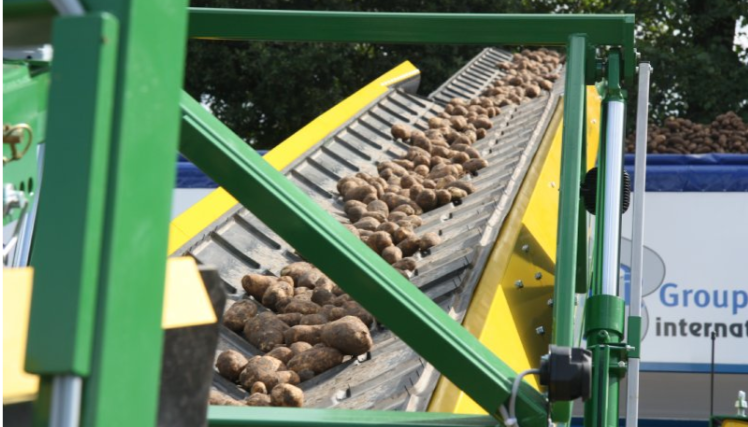
The Dutch potato processing industry, a cornerstone of Europe’s value-added agricultural sector, is showing promising signs of revitalization. According to the Association for the Potato Processing Industry (VAVI), processors utilized nearly 302,000 tons of potatoes in September, marking a substantial increase of 34,000 tons from August and 5,000 tons from September of the previous year. More significantly, the sourcing strategy has undergone a dramatic shift. While in September 2024 more than half of the raw material was imported, this year’s figure for the same month saw imports account for just over 39%, indicating a strong resurgence in the use of high-quality domestic potatoes. This trend points to a rebalancing of supply chains and potentially improved returns for local growers.
Despite this positive monthly performance, the industry continues to operate below its pre-crisis capacity. Over the past twelve months (October 2023 to September 2024), the total volume processed in the Netherlands stood at 3.88 million tons. This figure remains stagnant compared to the previous twelve-month period and is notably lower than the over 4 million tons that was standard before the COVID-19 pandemic and during the 2022-2023 season. For context, in the October 2022 to September 2023 period, the industry processed over 4 million tons of potatoes to produce 2.16 million tons of potato products, of which 1.81 million tons were pre-fried fries. The current output suggests that while recovery is underway, the sector has not yet fully recaptured its former production levels, likely due to a combination of ongoing logistical challenges, shifting global demand, and higher energy costs affecting processing economics.
A Cautious Recovery with Strategic Implications
The latest Dutch processing data reveals a sector in a state of cautious transition. The notable increase in domestic potato sourcing is a positive development for Dutch farmers, potentially leading to more stable and secure local markets. However, the failure to return to pre-pandemic processing volumes indicates persistent headwinds. For the global agricultural community, the Dutch case highlights the ongoing volatility in post-pandemic supply chains and the critical importance of flexible sourcing strategies. For farmers and agronomists, the increased reliance on domestic produce underscores the need to consistently deliver the high-quality, processing-grade potatoes that this value-added sector demands. The industry’s recovery appears to be building steam, but its long-term trajectory will depend on navigating complex economic pressures and adapting to a new global trade environment.