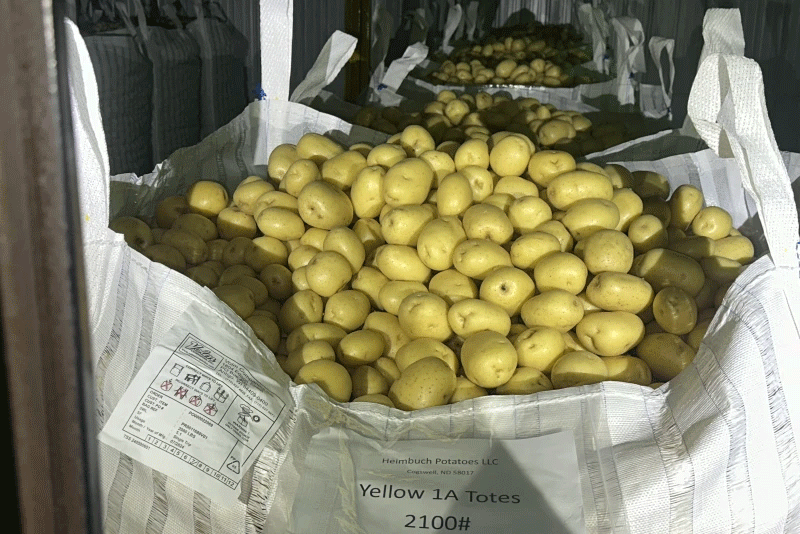


The agricultural landscape of the Red River Valley is witnessing a notable color change: a surge in yellow potato production that is reshaping local farm portfolios. What was once a niche product has exploded into a market dominant. First-hand data from growers confirms this trend: Chad Heimbuch of Heimbuch Potatoes LLC reports that yellow potatoes now constitute up to 70% of orders from his major buyers, a dramatic increase from just a decade ago. Similarly, Keith Groven of Black Gold Farms states that yellows have grown from a mere 5% of their fresh market production prior to 2015 to a staggering 50% today. This isn’t an isolated phenomenon; it reflects a broader national trend. According to a report by Potatoes USA, the demand for specialty potatoes, including yellow varieties, has been a key driver of growth in the fresh potato category, with consumers increasingly seeking out varieties with perceived superior flavor, texture, and visual appeal.
This demand is largely fueled by a cultural shift, amplified by culinary media. As Jackson Hall notes, yellow potatoes “get a lot of publicity” from cooking shows and chefs who champion them for their buttery color and creamy texture, particularly in mashed dishes. This “foodie” influence has effectively repositioned yellow potatoes from a specialty item to a pantry staple. From an agronomic perspective, growers find that modern yellow varieties are well-suited to the region’s soil, yielding both good quality and volume. However, this “yellow gold rush” is not without its caveats. As Heimbuch points out, a key challenge is post-harvest management, as many yellow varieties are susceptible to pressure bruising and have inferior storage characteristics compared to hardy russets. This underscores the critical importance of ongoing varietal trials—Heimbuch’s operation has tested 50 to 75 varieties—to identify genotypes that balance market appeal with agronomic resilience and storability.
The rise of yellow potatoes in the Red River Valley is a powerful case study in how evolving consumer preferences, amplified by modern media, can directly influence production agriculture. For farmers and agronomists, this shift presents a clear opportunity to capture higher value in the fresh market. Success, however, will depend on a dual strategy: capitalizing on the strong market demand while proactively addressing the supply chain vulnerabilities through careful variety selection and investments in improved post-harvest handling technologies. The future lies in planting the right yellow—one that satisfies both the chef’s palate and the producer’s need for a durable, high-yielding crop.