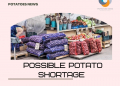
Bulgarian potato producers are caught in a severe squeeze, where poor growing conditions and a flood of cheap imports have rendered the current harvest economically unviable. According to the National Association of Potato Producers, the season began with a delayed planting due to a poor spring, which then escalated into extreme heat and drought that stressed crops and depleted irrigation sources. The situation was further exacerbated during harvest by heavy rainfall—over 160 liters—which left fields unworkable for a week and compromised the quality of the yield. This combination of weather extremes highlights the increasing volatility that farmers face due to climate change, a trend confirmed by the European Environment Agency, which notes that Southeastern Europe is experiencing more frequent and intense heatwaves and erratic precipitation patterns.
Compounding the production challenges is a brutal economic reality. While the Bulgarian harvest is diminished, farmers are reporting a production cost of over 0.85 BGN per kilogram, while the market price has collapsed to around 0.50 BGN. This price depression is driven by a surge of cheap potato imports from other European countries that reported excellent harvests, leading to a continent-wide oversupply. This dynamic is a classic example of how local production shortfalls do not always translate to higher local prices in an integrated global market. Furthermore, farmers report unfair trading practices, where imported potatoes are being repackaged and sold as Bulgarian, undermining consumer trust and the value of the local “Brand Bulgaria.” This erodes the potential for a premium price for domestically produced potatoes, a value-added strategy that could otherwise help insulate farmers from commodity price swings.
The crisis in Bulgaria underscores a critical challenge for modern agriculture: managing production risk is no longer enough. Farmers must also navigate the complexities of a globalized market where local shortages can be instantly filled by imports, severing the traditional link between supply, demand, and price. For long-term resilience, a dual approach is needed: robust government risk management tools, including safety nets for climate-related losses, and a concerted industry effort to build strong, verifiable local brands that can command market loyalty and a price premium, shielding producers from the volatility of undifferentiated commodity trade.