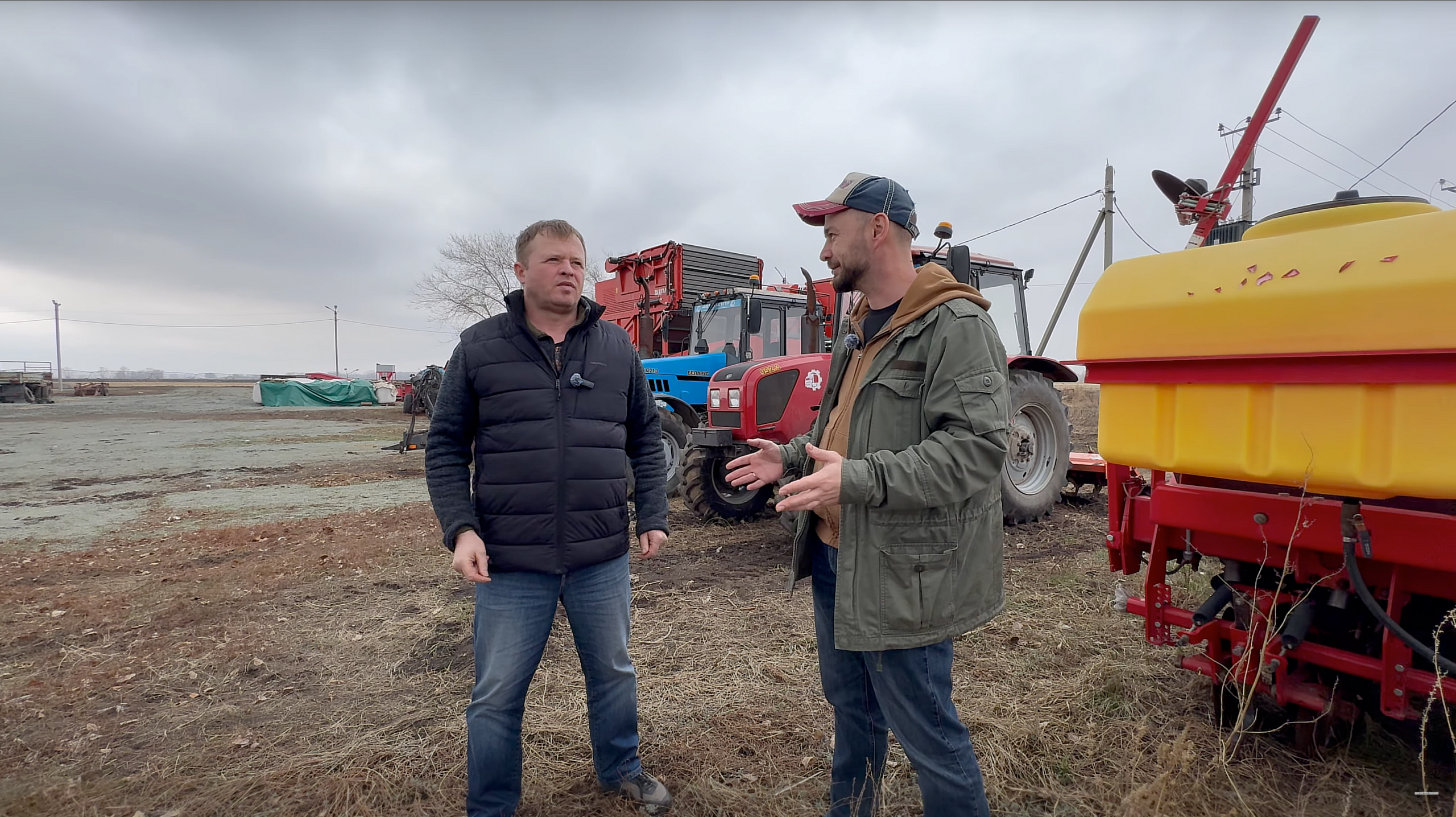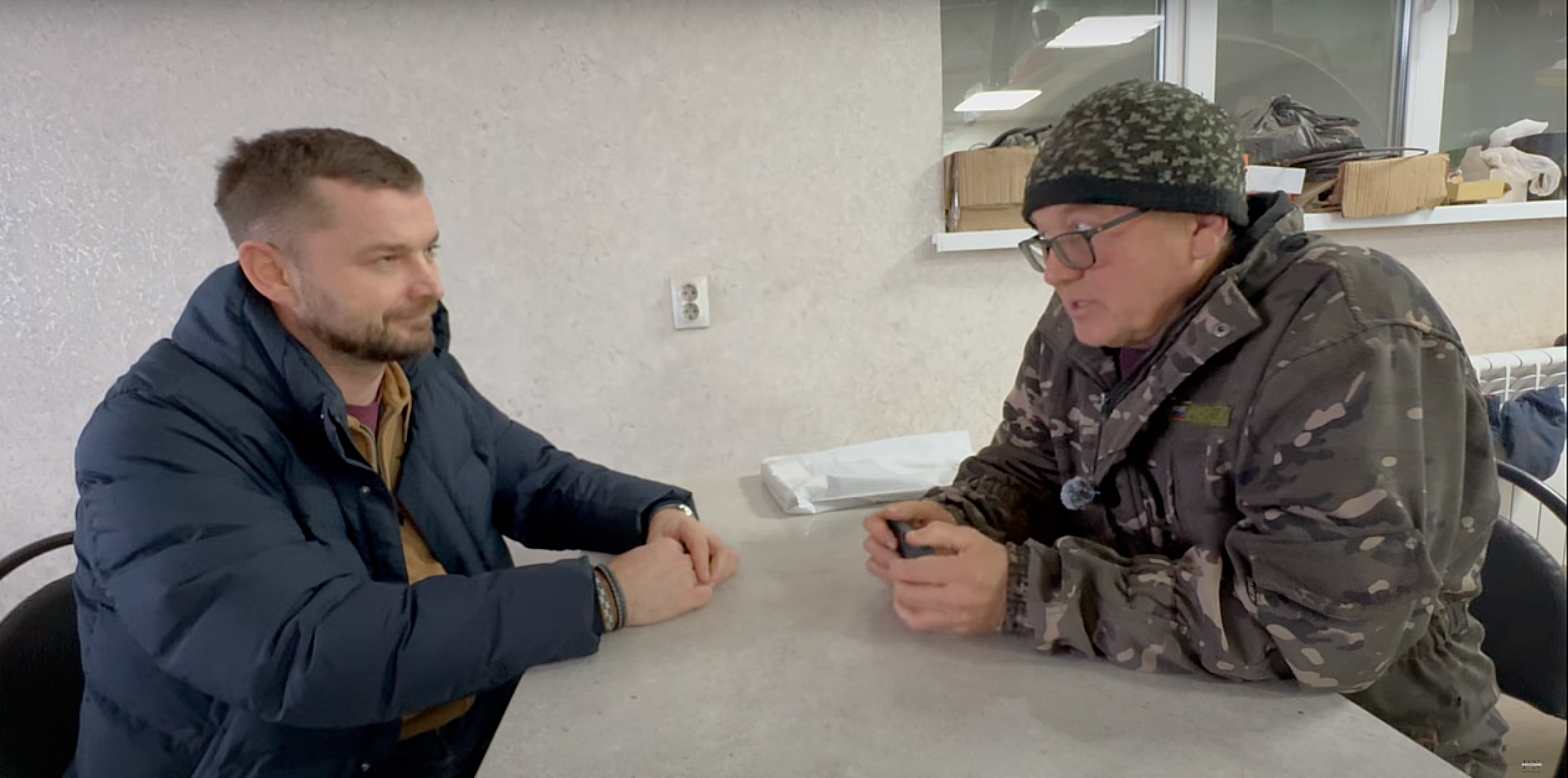
International Potato Tour visit to Gorno-Mariysky District. Conversation with farm head Andrey Babushkin
The Babushkin farm’s arc runs from the first 7 ha in the early 1990s to hundreds of irrigated hectares, its own storage infrastructure, and a dedicated seed-potato track. A turning point was the “Dutch shock”: what Babushkin saw on farms in the Netherlands became practice at home—plug trays, drip irrigation, and tight technological discipline.
Origins: “born in cabbage”
Start in 1992: the family took land; early sales were vegetables and pork. Realizing cabbage margins, they leaned into vegetables—first backyard plots and basic varieties (“Podarok,” “Slava”), then half-field plantings with hybrids. Music studies at the Kazan Conservatory (accordion, orchestral conducting) gave way to a return home and work on the land.
Dutch catalyst: technology over hoes
A Moscow expo and an invitation to Dutch fields flipped the mindset: seed quality, plug transplants, drip, nutrition—these became the farm’s standard. Acreage, sheds, and cold rooms grew step by step, along with the crop mix.
Move into potatoes & the irrigation bet
For years they avoided potatoes due to mechanization gaps. Then came a Grimme planter (co-owned), a 1-row, then 2-row harvester, and eventually a self-propelled unit. The 2010 drought sealed the strategy: potatoes and vegetables only under irrigation.
Scale & infrastructure (today)
- Land bank: ~800 ha
- Irrigation: ~400 ha
- Storage capacity: ~15,000 t total
- Containerized share: >50%; ~6,000 bins
- Seed-potato store: ~1,800 t, every bin labeled by variety & generation
The container model fits seed logistics: precise traceability, fast picking, and near-zero losses thanks to correct aeration/humidification.
Seed potatoes: most fields in elite generations
The farm works under sub-license contracts with several seed companies and grows elite seed. Market pull for processing varieties is rising; still, the farm sticks to a tight rule inside seed production: fewer lines, higher quality—no spreading thin.
Cabbage: the district’s calling card
Gorno-Mariysky District has become a “cabbage district”: about 3.5k ha in crop and active container storage. By Babushkin’s estimate, up to 80 trucks/day of cabbage leave the district in season, shipping nationwide. Competition helps: “Where there’s choice, buyers come.”
Onion: northern experience, honest conclusion
They long held a “northernmost onion” niche (yields up to 70 t/ha), but late springs and southern competition forced an exit: unit costs were 1.5–2× higher. Technologically, the setup was unique: a ~1 MW gas burner, staged hot-air curing at 30–35 °C, enabling storage till June—but economics still ruled.
Seed prep: line & workflow
A grading/packing line (tipper → inspection → sizing → buffers → dosing & bagging) is tuned for seed: brushes mostly off to spare tubers. Peak “intake” reached ~500 t/day—which demands dead-flat floors, square bins, and skilled forklift drivers.
Team & succession
Babushkin’s son works alongside him: his strengths are electronics, automation, mechanization; agronomy is being “handed down” deliberately. The broader view is pragmatic: make farm work prestigious for youth while raising efficiency amid high borrowing costs.
Philosophy ahead
Babushkin favors incremental progress: “better less, but better.” The course: efficiency gains, a tighter seed track, and steady digitalization/automation. The dominant feeling remains joy in tangible results: “Farming is a way of life.”
Quotes
“Potatoes and vegetables — irrigation only. Otherwise it’s different economics and different risk.”
“Where there’s choice, buyers come. Competition is good.”
“Don’t spread thin: fewer lines, higher quality.”
At a glance
- Region: Mari El Republic, Gorno-Mariysky District
- Profile: seed potatoes (elite), cabbage; past onion expertise
- Area / irrigation: ~800 ha / ~400 ha
- Storage: ~15,000 t; >50% containerized (~6,000 bins)
- Seed store: ~1,800 t; bin-level labeling by variety/generation
- District logistics: up to 80 trucks/day of cabbage in season
Prepared within the International Potato Tour for Potatoes News.