One Chinese region has transformed its potato industry into a $3.5 billion economic powerhouse, controlling everything from virus-free seed production to global branding. Discover how Dingxi’s integrated approach to breeding, mechanization, and value-added processing created a model that’s exporting technology to a dozen countries while delivering unprecedented farmer prosperity.
When a region produces 1.8 billion mini-tubers annually, processes nearly 1 million tons of potatoes, and generates $396 million in brand value from a single crop, the world should take notice. Dingxi, China—officially designated as the country’s potato capital—has achieved exactly this through a meticulously engineered ecosystem that connects advanced seed technology with automated production, deep processing, and global marketing. This isn’t just agricultural development; it’s a masterclass in building a complete, vertically integrated value chain that offers tangible lessons for potato-growing regions worldwide on maximizing yield, quality, and profitability.
The Foundation: Mastering the Seed System
Dingxi’s transformation began with recognizing that elite seed is the foundation of everything. The region has established a comprehensive three-tier seed multiplication system that is both massive and precise:
- Greenhouse Production: 1.8 billion mini-tubers (G0) annually
- Seed Multiplication Bases: 14,950 acres for G1 seed and 132,830 acres for G2 seed production
- Output: Over 2.2 million tons of certified virus-free seed potatoes annually
This scientific foundation is supported by a germplasm bank preserving 7,800 genetic resources and 13 independently developed registered varieties. The impact is profound: according to 2024 data from the International Potato Center, regions implementing rigorous seed systems like Dingxi’s can achieve yield increases of 30-45% compared to those using conventional farm-saved seed, while simultaneously reducing disease pressure and pesticide use.
The system’s success is now global. As Deputy Mayor Sun Xiaolong of Xiangquan Town noted, the region exports virus-free seed potatoes to over ten countries including Saudi Arabia, Turkey, Egypt, and Pakistan, with mechanization rates exceeding 95% in export production zones.
The Production Model: Scale, Technology, and Organization
Dingxi has moved far beyond subsistence farming to highly organized production:
- 250,000 acres (85% of total area) under green, standardized cultivation
- 16 production bases exceeding 10,000 acres each
- 160 bases exceeding 1,000 acres each
This scale is achieved through innovative organizational models like “enterprise-built bases” and “company + cooperative + farmer” systems that create production efficiency while ensuring market access for smallholders. The region has extensively implemented water-saving irrigation, automated machinery, and precision farming techniques like black film mulching and ridge micro-furrows.
The processing sector transforms this raw production into value-added products:
- 28 deep-processing enterprises (12 at large-scale level)
- 960,000-ton annual processing capacity
- $690 million in processing value
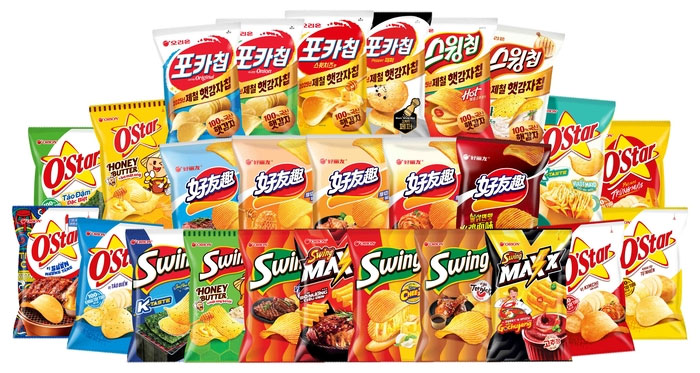
- Products spanning starch, wide noodles, whole powder, and snack foods
Gansu Lantian Potato Industry Development Co., with 600,000 tons of annual processing capacity and national leadership in starch production, exemplifies this transformation. Their “Lantian Model” combines contract farming, cooperative organization, and cold chain logistics to create efficiency across the supply chain.
The Innovation Edge: From Laboratory to Global Market
What distinguishes Dingxi is its systematic investment in research and development:
- Recently reorganized Gansu Provincial Potato Industry Technology Innovation Center
- 42 patented technologies (3 new in 2025 alone)
- Dedicated Dingxi Wide Noodle Industry Research Institute and vocational college
- Development of 10+ new consumer products targeting modern tastes
This innovation infrastructure supports both production improvements and product development. The region’s flagship product—Dingxi Wide Noodles—achieved $539 million in sales in 2024, with 190,000 tons produced. The brand is now expanding into international markets while continuously developing new product variations like fresh stir-fry noodles and spicy tripe-flavored noodles.
The Blueprint for Modern Agricultural Development
Dingxi’s journey from subsistence crop to $3.5 billion industrial ecosystem offers a replicable blueprint for agricultural modernization. Three critical success factors emerge: First, the unwavering focus on seed quality and genetics as the non-negotiable foundation of everything else. Second, the creation of inclusive organizational models that connect smallholders to advanced technology and premium markets. Third, the strategic commitment to value-added processing and branding that captures maximum value from raw production.
For agricultural professionals worldwide, Dingxi demonstrates that profitability doesn’t come from simply growing more, but from building smarter systems that connect genetic excellence with production efficiency, processing innovation, and market sophistication. As regions globally seek to improve food security and agricultural profitability, Dingxi’s integrated approach offers perhaps the most comprehensive model available for transforming a traditional crop into a modern economic engine.