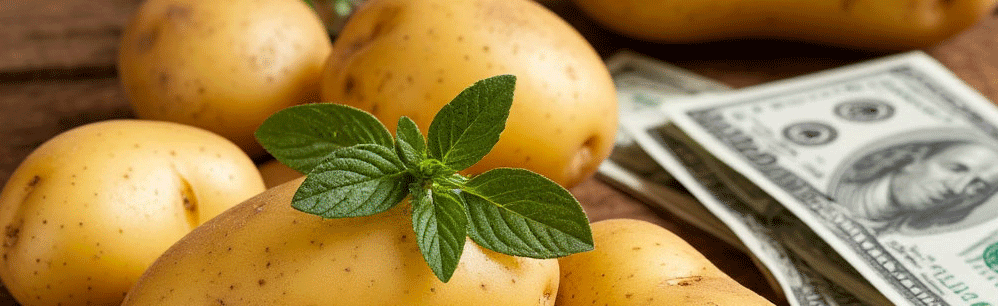
UK potato farmers are navigating a difficult season marked by falling prices and uneven crop performance due to contrasting weather conditions across the country. Ex-farm potato prices have dropped sharply in recent months, driven by an oversupply across Europe, which has suppressed domestic market values. According to AHDB (Agriculture and Horticulture Development Board), European potato stocks remain high, keeping price pressures intact into the new season.
Dry Spring Boosts Early Planting but Hurts Yields
An exceptionally dry spring allowed for earlier planting in many parts of the UK, but the prolonged dry spell has taken a toll on crop development. Soil moisture deficits have been particularly severe in England, where irrigation-dependent regions are reporting lower projected yields. The Met Office confirmed that spring 2024 was one of the driest in recent decades, exacerbating stress on rain-fed potato crops.
Industry analysts estimate that English yields could drop by 10-15% compared to the five-year average unless significant rainfall or irrigation relief arrives. In contrast, Scotland has experienced more favorable growing conditions, with adequate rainfall supporting healthier crop development. Scottish growers are expected to see near-average or slightly above-average yields, creating a regional divide in production outcomes.
Market Outlook: Weak Prices, Irrigation Critical
With European potato supplies remaining high, UK growers face continued downward price pressure. The AHDB Potato Weekly Report indicates that free-buy prices for packing potatoes are 20-25% lower than the same period last year, squeezing farm profitability.
The disparity between England and Scotland highlights the growing importance of irrigation infrastructure in mitigating climate risks. Experts suggest that farmers in drought-prone regions must invest in water-efficient systems or adjust planting strategies to cope with increasingly erratic weather patterns.
UK potato growers are caught between a soft market and climate-driven yield challenges, with England bearing the brunt of dry conditions. While Scottish producers may fare better, the overall sector must adapt to volatile pricing and weather extremes. Strategic water management and market diversification will be key to sustaining profitability in the coming seasons.