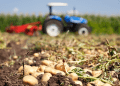
Farmers in Puncak Brakseng, Batu, East Java, have been successfully cultivating Granola potatoes, a popular variety known for its adaptability and market demand. According to the Central Statistics Agency (BPS), the region—a major horticultural hub—produced an average of 8,300 tons of Granola potatoes annually in 2024, with a harvested area of 396 hectares. This makes East Java a significant supplier to regions like Kalimantan, Bali, and other parts of Java.
Production Trends and Challenges
Granola potatoes thrive in East Java’s highland climate, but farmers face challenges such as:
- Climate variability – Early dry season planting requires precise water management.
- Pest and disease pressure – Late blight and potato tuber moth remain key concerns.
- Market competition – While demand is strong, price fluctuations can affect profitability.
Globally, potato production has been increasing, with FAO reporting 376 million metric tons in 2022, emphasizing the crop’s importance in food security. However, sustainable farming practices, such as drip irrigation and integrated pest management (IPM), are critical to maintaining yields.
Market Opportunities
East Java’s Granola potatoes are in demand not only locally but also in neighboring regions. Strengthening supply chains and improving post-harvest storage could further enhance profitability. Additionally, value-added processing (e.g., chips, frozen products) presents growth potential.
Granola potato farming in East Java demonstrates strong productivity, contributing significantly to regional horticulture. However, optimizing agronomic practices, managing climate risks, and exploring market expansion will be key to sustaining growth. Farmers, agronomists, and policymakers should collaborate to enhance resilience and profitability in this sector.