March 20, 2025, Kaiping News, Yunnan Province
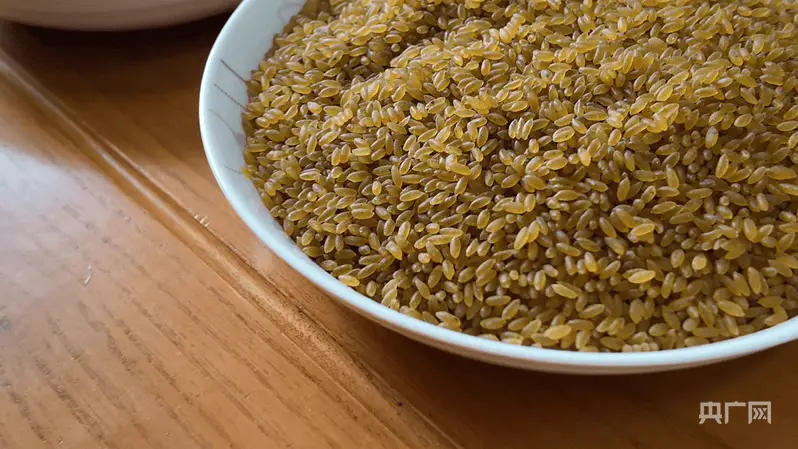
A groundbreaking food processing innovation—“potato rice”—has been launched in Qiaojia County, Zhaotong City, Yunnan Province, marking a major breakthrough for China’s potato industry. The technology was developed by Wu Qi, an academician of the Chinese Academy of Sciences and expert in polymer physical chemistry, together with his research team. Professor Guo Huachun, Director of the Potato Crops Research Institute at Yunnan Agricultural University, was the first to introduce this technology to Yunnan and promoted the launch of a production line in Mashu Town, Qiaojia County. Since its launch in October last year, potato rice has entered the market through e-commerce and offline supermarkets, gaining increasing attention from consumers.
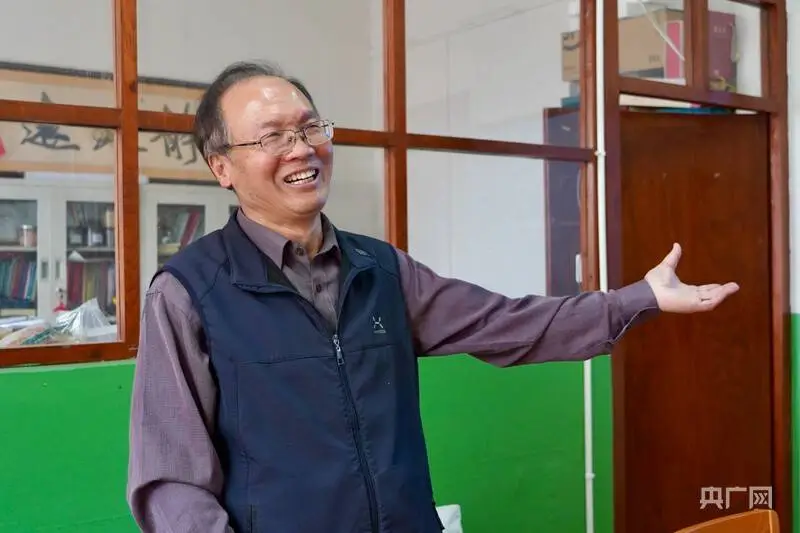
Potatoes are China’s fourth-largest staple crop, widely cultivated across the country. However, due to their high water content (70–80%), they are difficult to store and tend to sprout after their dormancy period, resulting in a loss rate of more than 10%. Potato rice addresses these issues by improving storability, enabling processing, and turning potatoes into a stable grain resource.
Potato rice is not simply a shape transformation, but an advanced food processing technology. The technique uses high-moisture extrusion recombination, with precise control of temperature, humidity, and enzymatic hydrolysis time to transform fresh potatoes into rice-shaped granules (0.5–1 mm in diameter). Compared to traditional processing methods, this innovation significantly extends shelf life while preserving over 90% of natural nutrients, effectively converting potatoes into a staple food suitable for industrial production.
In terms of nutritional value, potato rice clearly outperforms conventional refined grains. It contains 27% more protein, 1.1 to 1.7 times more calcium, 5 times more potassium, 1.5 times more magnesium, and 11 to 12 times more iron than regular rice. Additionally, potato rice has a lower glycemic index (GI), making it a better choice for individuals who need to manage their blood sugar levels.
As a major potato-growing region, Yunnan boasts a wide variety of potato cultivars. Currently, potato rice is available in purple and yellow varieties. The purple variety is rich in anthocyanins (up to 50 mg per 100 g), while the yellow type contains abundant beta-carotene. “Consuming 100 g of potato rice a day meets daily anthocyanin requirements and reduces blood sugar response,” said Guo Huachun. Depending on consumer needs, the product can be enriched with oat flour or buckwheat flour to increase dietary fiber and further optimize nutritional structure.
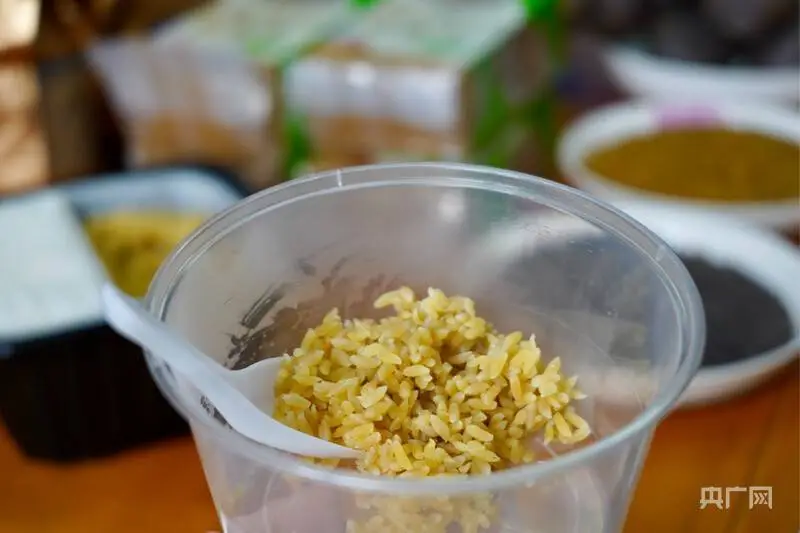
How does it taste? “It smells like a potato but tastes like rice,” explained Guo. In a demonstration using self-heating meal boxes filled with white rice and potato rice, journalists found the potato rice more elastic and glutinous than regular rice. It retained a light potato aroma during cooking but did not have a strong flavor.
Thanks to high-temperature, high-pressure sterilization and precooking, potato rice is also easy to prepare. “It doesn’t require rinsing or soaking, cooks faster in a rice cooker than regular white rice, and uses less water,” said Guo. His team is currently testing its suitability in high-altitude areas, with plans to promote it for outdoor activities, border patrols, and other special scenarios, providing a healthier staple food for various groups.
For Zhaotong, potato rice is more than a technological innovation—it’s a new opportunity for regional economic development. As one of China’s key potato-growing areas, Zhaotong has earned the title “World Highland Potato Seed Capital.” About 1.1 million local households—around 4 million people, or 65% of the population—are engaged in potato farming. In 2024, Zhaotong’s total potato output reached 3.5 million tons. With a conversion ratio of 2.5:1, every 2.5 tons of fresh potatoes yield 1 ton of potato rice.
The Qiaojia County production line can process 2,500 tons of fresh potatoes annually, producing 1,000 tons of potato rice with an estimated output value of 30 million yuan. “This technology solves storage issues and promotes the entire value chain of the potato industry, increasing added value and income,” said Guo.
Market feedback confirms its success. Searches on e-commerce platforms show high demand, with many product variants sold out—only trial packs (950g × 1 bag) remain available. A representative from Zhaotong Meikang Agricultural Development Co. said they are currently working to expand supply to meet growing demand.
Potato rice is emerging as an important supplement to China’s grain structure. Its industrial development not only promotes deep potato processing but also offers new growth momentum for rural revitalization. With continued technological improvement and market expansion, this innovative product is expected to reach more consumers’ dining tables.