• About Us
  • Partnership & Advertising Opportunities
  • Careers at Potatoes.News
Saturday, January 31, 2026
  • Login
  • Register
No Result
View All Result
POTATOES NEWS
  • NEWS
  • IPT
  • AGROTECHNOLOGY
  • IRRIGATION
  • POTATO PROCESSING
  • Contact us
  • NEWS
  • IPT
  • AGROTECHNOLOGY
  • IRRIGATION
  • POTATO PROCESSING
  • Contact us
No Result
View All Result
POTATOES NEWS

#ProtectOurCrops: Developing Sustainable Strategies to Combat Helicoverpa zea Infestations

by Alexey Demin
31.03.2023
in AGROTECHNOLOGY
A A
#ProtectOurCrops: Developing Sustainable Strategies to Combat Helicoverpa zea Infestations

#ProtectOurCrops #Helicoverpazea #CornEarworm #SustainableAgriculture #IntegratedPestManagement #CropRotation #NaturalEnemies #EconomicLosses #EnvironmentalImpact #FoodSecurity

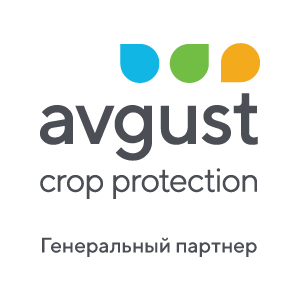
Description: Helicoverpa zea, commonly known as the corn earworm, is a highly destructive pest that inflicts significant economic losses on crops worldwide. Its voracious appetite for corn, soybeans, tomatoes, cotton, and other crops causes extensive damage to crops, which ultimately reduces yield and quality. However, there are sustainable strategies that can be developed to manage Helicoverpa zea infestations and protect our crops.

Development: The development of sustainable strategies to combat Helicoverpa zea infestations is a critical concern for farmers and agricultural scientists. One of the most effective ways to control the corn earworm population is through integrated pest management (IPM) practices, which involve combining various control measures, such as biological control, cultural practices, and chemical control, in a way that maximizes effectiveness while minimizing environmental impact. For example, introducing natural enemies of the corn earworm, such as parasitoid wasps, can reduce their populations while maintaining a healthy ecosystem. Similarly, rotating crops and using resistant varieties can also help reduce the severity of Helicoverpa zea infestations.

Consequences of Development: The development of sustainable strategies to combat Helicoverpa zea infestations has significant economic, social, and environmental benefits. By reducing crop losses caused by the corn earworm, farmers can increase their yields and profits, thereby contributing to food security and economic stability. Additionally, sustainable pest control methods such as IPM can minimize the use of harmful chemicals, which can reduce environmental pollution and promote the health of surrounding ecosystems. Finally, by adopting sustainable practices, farmers can demonstrate their commitment to sustainable agriculture, which can enhance their reputation and social standing in their communities.

Tags: corn earwormcrop rotationeconomic lossesEnvironmental impactFood SecurityHelicoverpa zeaintegrated pest managementnatural enemiesResistant Varietiessustainable agriculture
Next Post
U.S. Potato Exports: A Growing Market for All Potato Varieties

U.S. Potato Exports: A Growing Market for All Potato Varieties

General Partner

ADS 2VtzqxQ68nP ADS 2VtzqxQ68nP ADS 2VtzqxQ68nP

Recommended

Increased Profits and Yields: Research shows PhycoTerra® and PhycoTerra® FX from Heliae Development, LLC have a positive impact on potato production

Increased Profits and Yields: Research shows PhycoTerra® and PhycoTerra® FX from Heliae Development, LLC have a positive impact on potato production

2 years ago
Bogdanov: more than 150,000 tons of fruits and vegetables will be pledged to stabilization funds this year in Belarus

Bogdanov: more than 150,000 tons of fruits and vegetables will be pledged to stabilization funds this year in Belarus

4 years ago
  • About Us
  • Partnership & Advertising Opportunities
  • Careers at Potatoes.News

© 2010-2026 POTATOES NEWS

Welcome Back!

Login to your account below

Forgotten Password? Sign Up

Create New Account!

Fill the forms bellow to register

All fields are required. Log In

Retrieve your password

Please enter your username or email address to reset your password.

Log In
No Result
View All Result
  • NEWS
  • IPT
  • AGROTECHNOLOGY
  • IRRIGATION
  • POTATO PROCESSING
  • Contact us

© 2010-2026 POTATOES NEWS