#ControllingPlutellaXylostella #DiamondbackMoth #PestManagement #BiologicalControl #CropRotation #Insecticides #ResistanceManagement
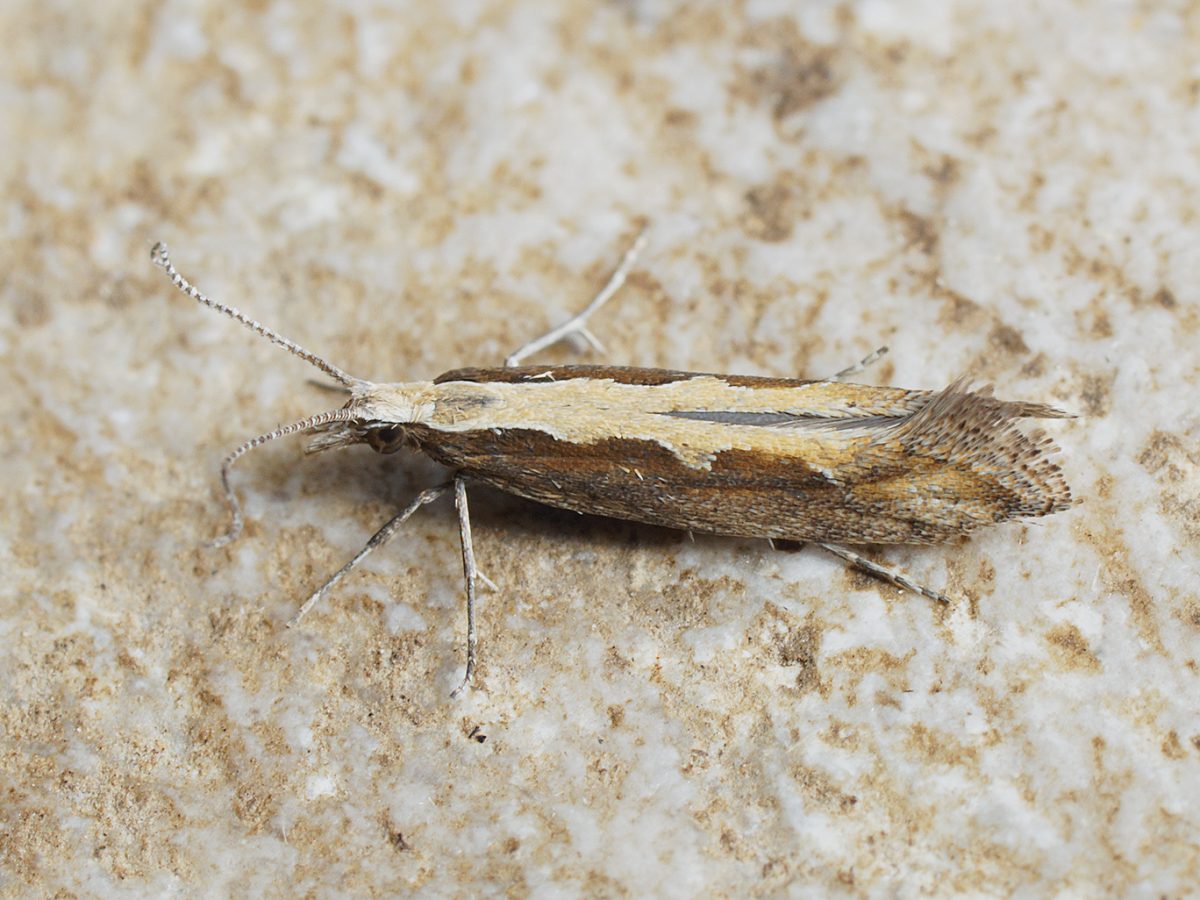
Plutella xylostella, commonly known as the diamondback moth, is a notorious pest that causes significant damage to cruciferous crops such as cabbage, broccoli, and cauliflower. It is a migratory species that has spread across the globe, making it difficult to control. In this article, we will discuss the various strategies that can be used to manage the diamondback moth infestation and prevent crop losses.
The development of diamondback moth resistance to insecticides has become a growing concern in recent years. Therefore, it is essential to integrate multiple control measures to reduce the impact of this pest. One of the most effective strategies is the use of biological control agents such as parasitoids, predators, and pathogens. These agents are specific to the diamondback moth and can significantly reduce its population, especially when used in combination with other control measures.
Cultural practices such as crop rotation and sanitation can also play a vital role in controlling the diamondback moth. Since this pest is known to survive on crop debris, cleaning up the field after harvest can reduce its population significantly. Additionally, planting resistant varieties and using trap crops can reduce the damage caused by the diamondback moth.
Chemical control measures such as insecticides can be effective in managing the diamondback moth, but they should be used judiciously to prevent the development of resistance. It is essential to follow the label instructions and apply insecticides only when necessary.
In conclusion, managing the diamondback moth infestation requires a multi-pronged approach that includes biological, cultural, and chemical control measures. Implementing these strategies can significantly reduce the damage caused by this pest and help maintain the sustainability of cruciferous crop production.