In this article, we will explore the world of potato farming and the importance of understanding the dangers of Potato Spindle Tuber Viroid (PSTVd). As a farmer, agronomist, agricultural engineer, farm owner, or scientist working in agriculture, it is crucial to be aware of the latest data and information surrounding PSTVd in order to protect your crops and maximize your yield.
Potatoes are an important crop worldwide, but they are susceptible to a range of diseases and pests. One of the most dangerous and widespread of these diseases is Potato Spindle Tuber Viroid (PSTVd). According to the International Potato Center, PSTVd is a contagious pathogen that can cause severe symptoms in infected plants, leading to significant yield losses and decreased quality of the potatoes produced.
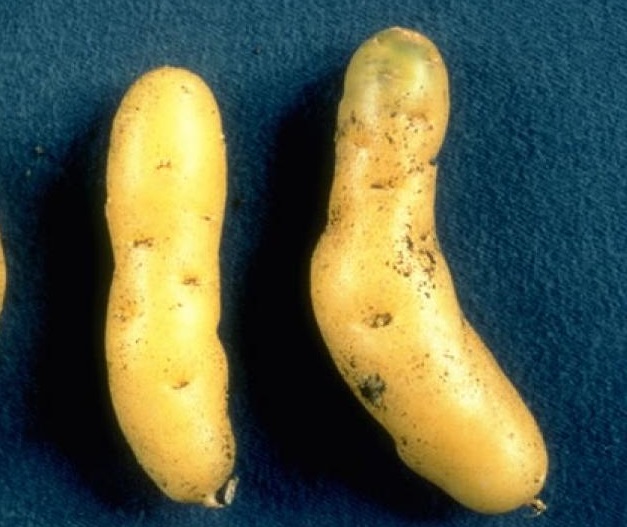
The development of PSTVd is primarily caused by the use of infected seed potatoes, which can lead to the spread of the disease throughout an entire crop. The viroid is also spread through mechanical contact with infected plants, as well as through contaminated equipment or irrigation water. Once a potato plant becomes infected with PSTVd, it can cause a range of symptoms, including stunted growth, distorted tubers, and reduced yield.
The consequences of PSTVd can be severe for potato farmers, as it can lead to reduced yields and decreased quality of the potatoes produced. In addition, infected plants can also impact the marketability of the crop, as they may be rejected due to their lower quality. This can result in significant financial losses for farmers and farm owners.
To mitigate the risks associated with PSTVd, it is important for farmers to take preventative measures. This includes the use of certified disease-free seed potatoes, crop rotation, and the use of disease-resistant potato varieties. Additionally, it is important to maintain good sanitation practices in the field and during potato storage, as PSTVd can survive for long periods of time on contaminated equipment and surfaces.
In conclusion, as a farmer, agronomist, agricultural engineer, farm owner, or scientist working in agriculture, it is crucial to be aware of the risks associated with Potato Spindle Tuber Viroid (PSTVd). By understanding the latest data and information surrounding PSTVd, you can take preventative measures to protect your crops and maximize your yield.
#PotatoSpindleTuberViroid #PSTVd #PotatoFarming #Agriculture #CropProtection #DiseasePrevention