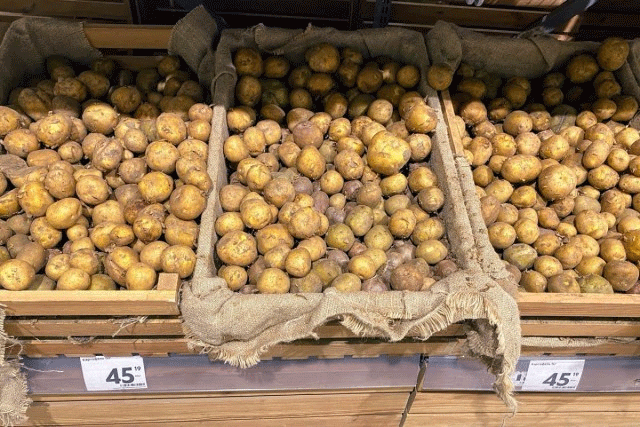
Kaliningrad’s farmers will begin delivering locally grown young potatoes to store shelves in the next one to two weeks, according to Alexey Yelayev, deputy director of the Spar retail chain. Currently, most potatoes sold in the region are imported from Serbia, but the upcoming harvest marks a shift toward self-sufficiency.
Declining Stocks and Rising Prices
Local potato stocks were depleted by mid-April, forcing reliance on imports. Sergey Chechulin, founder of the Kalina farm, noted that harvesting was delayed until July due to seasonal conditions. Meanwhile, potato prices surged by 49.73% this spring, reaching 95.74 rubles per kilogram—the highest increase among vegetables. This spike highlights vulnerabilities in regional supply chains and the impact of import dependency.
Production and Policy Adjustments
In 2024, Kaliningrad produced 149,000 tons of potatoes, with 22% allocated for processing and seed reserves. Only 5% was exported, while another 5% was lost during harvest and storage. The remaining supply was consumed domestically, underscoring the region’s limited surplus.
To address shortages, Agriculture Minister Artem Ivanov emphasized expanding potato cultivation through state subsidies. In a controversial move, Governor Alexey Besprozvannykh ordered a temporary ban on potato exports in May, suspecting that resellers were buying Kaliningrad’s produce and reselling it back at inflated prices, including added logistics costs.
Global and Domestic Trends
Russia’s potato market has faced volatility due to climate disruptions and logistical challenges. According to the Russian Ministry of Agriculture, national potato production declined by ~7% in 2023, driving up prices. Kaliningrad’s focus on local supply aligns with broader food security strategies, as seen in other regions prioritizing import substitution.
Kaliningrad’s impending potato harvest offers short-term relief for consumers, but long-term stability depends on expanding farmland and improving storage infrastructure. With state support and tighter export controls, the region aims to reduce price fluctuations and strengthen food sovereignty. However, climate resilience and efficient logistics remain critical challenges.

