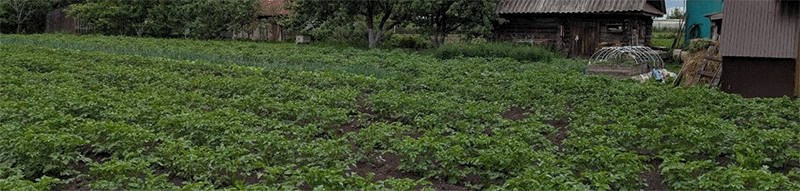
For years, farmers debated whether removing potato foliage before harvest was necessary. However, agronomic research and field experience now confirm its importance. Ksenia Davydova, an agronomist with 20 years of experience, emphasizes that cutting potato tops isn’t just beneficial—it’s a crucial step in ensuring high-quality, long-lasting yields.
Key Benefits of Removing Potato Tops
- Thicker Skin & Better Storage
- After removing foliage, tubers stop absorbing excess moisture, triggering skin hardening (suberization).
- According to a 2023 study by the International Potato Center (CIP), potatoes with thicker skins suffer 30–40% less damage during harvest and storage.
- Hardened skins also reduce moisture loss, extending shelf life—critical for winter storage.
- Reduced Disease Transmission
- Even healthy-looking foliage can harbor late blight (Phytophthora infestans), which spreads to tubers during harvest.
- Research from Wageningen University (2024) shows that removing tops 7–10 days before harvest cuts late blight infection risks by up to 50%.
- This also minimizes soil-borne pathogens and pests (like potato beetles) that overwinter in plant debris.
- Easier Harvesting & Higher Efficiency
- Leaving 10–15 cm stubble (as Davydova recommends) makes digging easier while preventing soil contamination.
- A 2024 USDA report found that fields with trimmed tops saw 15% faster harvesting with fewer tuber bruises.
When & How to Remove Potato Tops
- Timing: Cut tops 7–14 days before harvest, depending on weather (earlier in wet conditions).
- Method: Use a flail mower or sickle bar to ensure clean cuts and avoid regrowth.
- Post-Removal: Allow tubers to mature in the ground for firmer skins before digging.
Removing potato foliage before harvest is a proven, science-backed practice that enhances tuber quality, minimizes disease risks, and improves storage longevity. Whether you’re a large-scale farmer or a smallholder, adopting this technique can significantly boost your post-harvest outcomes.

