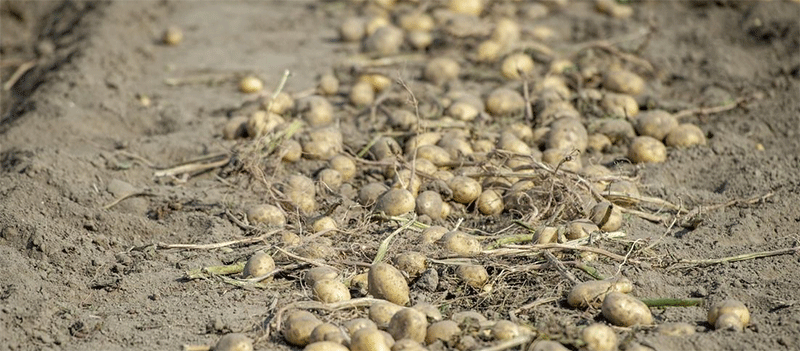
The Dutch potato sector, a cornerstone of European agriculture, is in the throes of a severe market crisis. Following the bankruptcy of major processor CêlaVíta, growers like Bert Slöetjes are being forced to sell their harvest on the spot market for a pittance—sometimes as little as a quarter of their original contract price, which is already below the cost of production. According to Tineke de Vries, Chair of LTO Akkerbouw, free-market potato prices have plummeted to a mere 2 to 4 euro cents per kilogram, a staggering drop from the 30 to 40 cents per kilogram they commanded just one year ago. This represents a price collapse of over 90%, forcing many farmers to operate at a significant loss.
This price crash is not an isolated event but a “perfect storm,” as termed by De Vries, driven by multiple converging factors. A key driver is a massive supply surplus, fueled by good harvests across Northwestern Europe. Compounding this oversupply is a sharp decline in demand from the crucial processing sector. Dutch french fry manufacturers are facing intense competition from lower-cost producers in China and India, who are increasingly capturing market share in Asia and Africa, thus reducing their offtake from traditional European suppliers. This global shift is reflected in trade data; for instance, Belgian potato processing group Belgapom reported a 6.5% drop in frozen potato product exports in 2023, citing increased global competition. The situation creates a vicious cycle: with excess supply, buyers wait for prices to fall further, accelerating the downturn. Notably, this farm-gate price collapse is unlikely to translate into significantly cheaper fries for end consumers, as the cost of the raw potato constitutes only a small fraction of the final retail price, which is dominated by processing, packaging, and logistics.
The current crisis in the Netherlands exposes the profound vulnerability of farmers within the global potato value chain. It highlights how domestic oversupply, coupled with international trade dynamics and the failure of a single major buyer, can rapidly decimate farm viability. For the agricultural community, this serves as a stark warning of the need for more resilient market structures, diversified risk management strategies, and a critical examination of Europe’s competitive position in the face of rising global competition. The survival of growers like Slöetjes depends not just on their resilience, but on systemic changes that better buffer them from such “perfect storms.”

