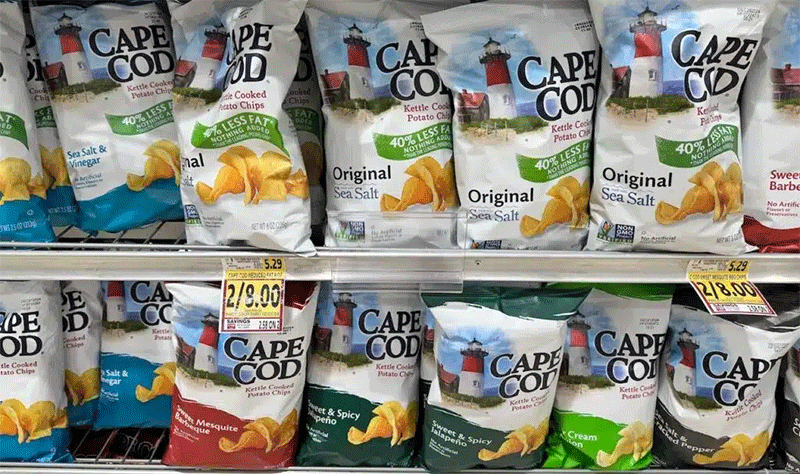
The recent class-action lawsuit filed against The Campbell’s Company over its Cape Cod potato chips is more than a legal dispute; it is a stark warning to the entire agricultural supply chain. The plaintiff alleges that Campbell’s falsely markets its chips as containing “No Artificial Colors, Flavors or Preservatives” because they contain synthetic citric acid. This case hinges on a critical technicality: while citric acid is ubiquitous in nature, the vast majority used in food production is synthetically fermented from black mold (Aspergillus niger) and corn-derived sugars, a process the lawsuit deems “artificial.” This legal challenge reflects a broader consumer trend. A 2024 study by the International Food Information Council found that 60% of consumers actively seek “clean label” products, but widespread confusion exists about what terms like “natural” and “artificial” actually mean. For potato growers supplying processors, this lawsuit signals that the burden of “clean” claims is now extending upstream, demanding greater awareness of the additives used in the final product.
The implications for the potato industry are profound. The lawsuit cites the USDA’s stance that natural citric acid is no longer commercially available, highlighting a fundamental disconnect between consumer perception and industrial food production realities. For a specialty crop like potatoes, where brands often leverage a “premium” or “wholesome” image, this case creates significant reputational and financial risk. The global citric acid market, valued at over $3.5 billion and dominated by synthetic production, is a cornerstone of food preservation. However, its synthetic origin is now a legal liability. This mirrors other recent litigation, such as suits over “vanilla flavor” not derived from vanilla beans, indicating a legal environment increasingly hostile to perceived “greenwashing.” For farmers and processors, this necessitates a proactive review of supply chains and closer collaboration with food manufacturers to ensure that marketing claims are defensible and that the provenance of all ingredients, not just the primary agricultural commodity, is understood and verifiable.
The Cape Cod chip lawsuit is a pivotal moment for the potato industry, demonstrating that “clean label” is no longer just a marketing trend but a complex legal and supply chain challenge. It reveals that consumer demand for transparency is outpacing both regulatory definitions and conventional food processing practices. To mitigate risk and maintain consumer trust, potato producers, processors, and brand owners must work collaboratively to foster unprecedented levels of supply chain transparency. This may involve investing in traceability systems, carefully vetting ingredient suppliers, and, most importantly, ensuring that marketing language accurately reflects the modern reality of food science and production. The future of brand integrity depends on aligning what’s on the package with the undeniable truths of the supply chain.

