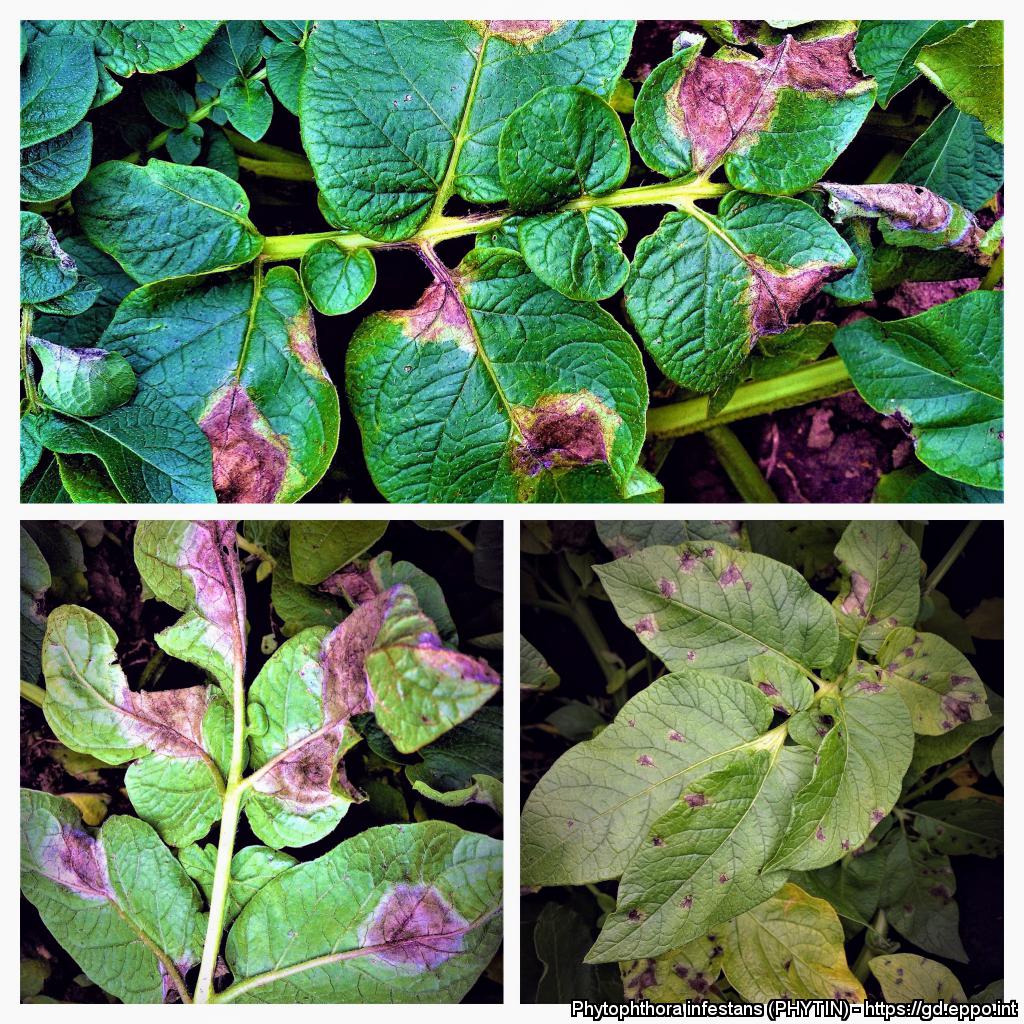
Potato late blight, caused by the fungus Phytophthora infestans, is wreaking havoc across European potato farms, prompting urgent calls for action from agricultural bodies. The Union der deutschen Kartoffelwirtschaft e.V. (UNIKA) and the Deutscher Bauernverband e.V. (DBV) have raised alarms about the increasing incidence of this devastating disease. Recent epidemics in Denmark and the Netherlands highlight the severe economic damage and agricultural disruption it can cause.
Current Situation
Olaf Feuerborn, Chairman of UNIKA and the Potato Committee of DBV, emphasizes the critical nature of the current situation: “The risk of massive late blight outbreaks is higher than it has been in recent years.” The disease thrives in warm, moist conditions, which have been prevalent across Europe, fostering the rapid spread of the fungus. The aggressive pathogen infects both potato foliage and tubers, capable of decimating entire crops within days.
The economic impact is staggering. Late blight is estimated to cause annual losses of around €900 million in the EU alone . The pathogen’s ability to quickly develop resistance to fungicides exacerbates the issue, as traditional methods of control become less effective. Currently, resistance has been detected in four out of eleven major fungicide modes of action, leaving farmers with limited tools to combat the disease .
Industry Response
In response to this crisis, UNIKA and DBV are supporting a call for an EU-wide action plan against late blight, as declared by the European Potato Alliance on May 30, 2024, the inaugural International Day of the Potato. The action plan outlines both short-term and mid-term measures to address the crisis.
Short-term measures include:
- Stakeholder Dialogue: Establishing a platform for discussions on combating late blight.
- Toolbox Enhancement: Rapid monitoring of Phytophthora isolates and retesting existing fungicides for efficacy against new strains.
- Integrated Pest Management (IPM): Promoting best agricultural practices, such as crop rotation and use of resistant potato varieties.
Mid-term measures focus on:
- Monitoring and Breeding: Developing a coordinated approach to monitor Phytophthora infestans populations and breed new resistant potato varieties.
- Research and Development: Investing in agronomic research to develop effective solutions and enhance existing plant protection products.
The resurgence of Phytophthora infestans poses a significant threat to the European potato industry, demanding immediate and coordinated action. By implementing robust integrated pest management strategies, enhancing fungicide efficacy, and developing resistant potato varieties, Europe can mitigate the impact of this destructive pathogen. Continued collaboration between farmers, researchers, and policymakers is essential to ensure the sustainability and productivity of the potato sector.