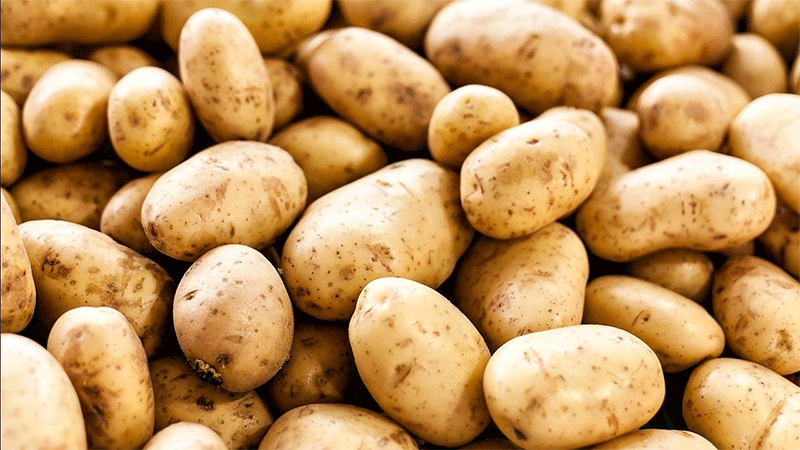
The Kyrgyz Ministry of Water Resources, Agriculture, and Processing Industry is actively developing a proposal to impose temporary limits on potato imports. This regulatory intervention is a direct response to formal appeals from the Association for the Development of the Agro-Industrial Complex and the “Cluster of Potato Farmers of the Kyrgyz Republic.” The ministry’s primary concern is a perceived surge in imported potato volumes, which it fears could trigger a sharp decline in domestic prices, thereby inflicting significant financial damage on local producers. The stated goal is to protect the interests of Kyrgyz farmers and ensure price stability within the internal market.
The ministry’s apprehension about import volumes is not unfounded in a regional context. According to data from the FAO (Food and Agriculture Organization), potato production in Central Asia has been volatile due to climatic factors, leading to occasional import surges from larger neighboring producers. For instance, in 2022, Kazakhstan—a key regional supplier—saw a potato yield increase of over 8% compared to the previous year, potentially creating exportable surpluses that could flow into Kyrgyz markets. However, the effectiveness of import quotas as a long-term tool is widely debated. A 2023 World Bank report on agricultural trade in Eastern Europe and Central Asia highlighted that while such protections can offer immediate price relief, they can also reduce the incentive for domestic producers to invest in yield-enhancing technologies, improve seed quality, and lower production costs. This can leave the sector vulnerable once protections are lifted. Furthermore, a study published in the “Potato Research” journal noted that sustainable market stability often relies more on improving local storage infrastructure to reduce post-harvest losses—which can be as high as 25% in some developing economies—than on trade barriers alone.
The Kyrgyz government’s initiative underscores a critical challenge faced by agricultural economies worldwide: balancing immediate producer protection with the long-term goals of efficiency and food security. While temporary import restrictions may provide a crucial buffer for local farmers against market fluctuations, they are not a panacea. For genuine, sustainable growth, the focus must simultaneously shift towards modernizing the domestic potato value chain. Strategic investments in high-yield seed varieties, enhanced cold storage facilities, and improved pest and disease management will be essential to bolster the competitiveness of Kyrgyz potato farming, making it resilient with or without protective trade measures.

