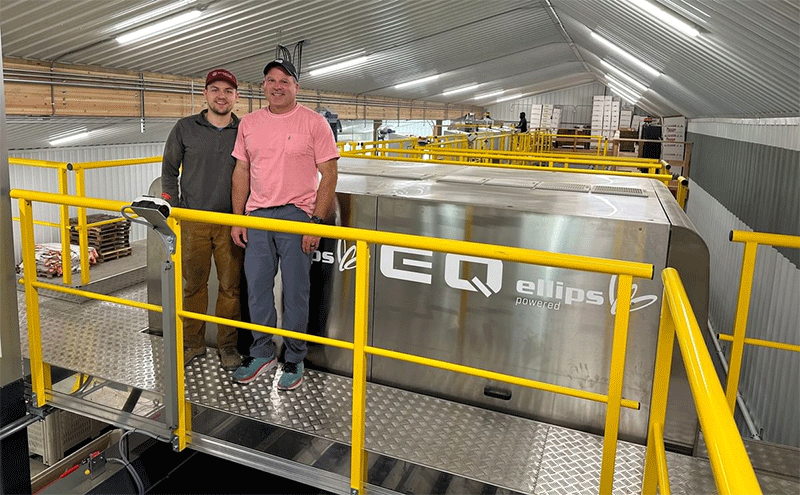
For many mid-size family farms, the pressure to compete with large-scale agribusiness can feel insurmountable. This was the reality for Pioneer Potatoes, a sixth-generation farm in Washington’s Skagit Valley, whose commitment to delivering premium A-size potatoes was being undermined by the inefficiencies of manual grading. According to owner Wylie Thulen, labor shortages, rising costs, and inconsistent quality were threatening their business model. The decision to invest in an Elisam optical grader powered by Ellips AI technology was a calculated move to secure their future. The outcome was transformative: the farm cut its labor requirements by 50%, boosted processing throughput to 16 tons per hour, and eliminated the need for Saturday shifts, all while achieving a more consistent, high-quality product for their top-tier supermarket and restaurant clients.
The success of Pioneer Potatoes is a microcosm of a broader technological shift in agriculture. The global market for AI in agriculture is projected to grow from $1.7 billion in 2023 to over $4.7 billion by 2028, driven by the need for precisely this kind of operational efficiency. Labor scarcity is not an isolated issue; a 2023 report from the American Farm Bureau Federation identified labor as the top challenge for 42% of U.S. farmers. Optical sorters with AI address this directly by not only replacing manual pickers but also by enhancing their capabilities. These systems use high-resolution cameras and machine learning algorithms to identify and remove defects based on color, size, and shape with a speed and consistency unattainable by human workers. This allows a farm like Pioneer to process a larger volume of crop in less time with a smaller crew, fundamentally improving its cost structure and competitive edge.
The Pioneer Potatoes case study delivers a critical message for the agricultural sector: advanced automation is no longer the exclusive domain of corporate mega-farms. For mid-size operations, technologies like AI grading are not merely a luxury but a vital tool for survival and growth. The investment directly tackles the industry’s most pressing problems—labor instability and cost pressure—while simultaneously enhancing product quality and throughput. For farmers, agronomists, and engineers, the takeaway is clear; strategically adopting precision technology is a proven pathway to building a more resilient, profitable, and sustainable agricultural business, regardless of scale.

