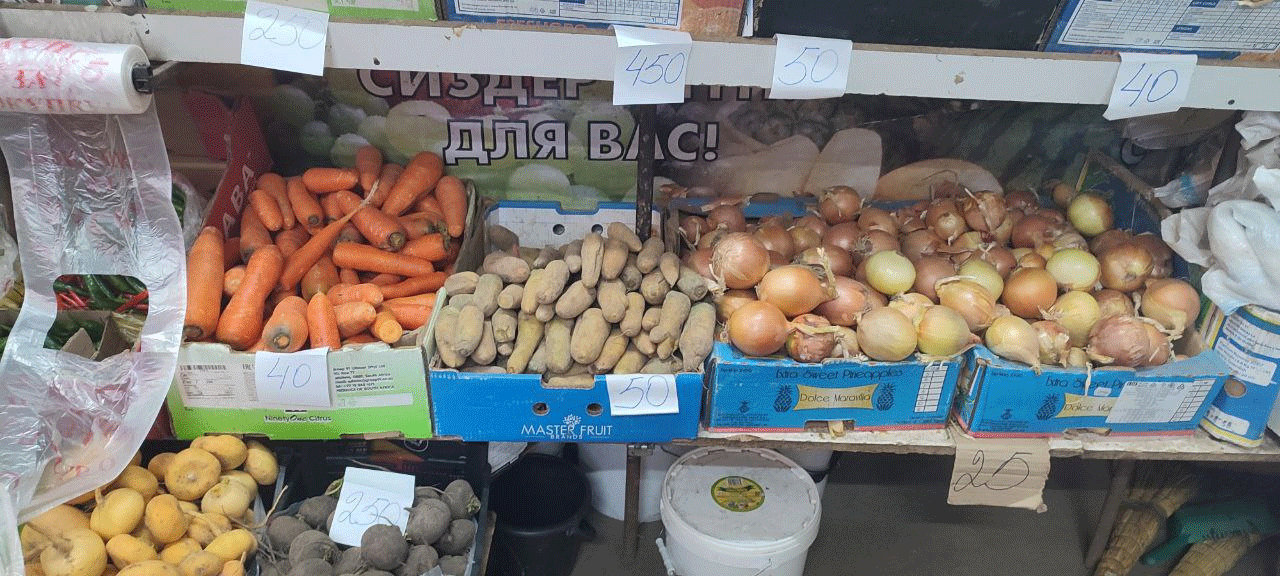
The Kyrgyz government is intensifying efforts to stabilize food prices and ensure domestic supply, particularly for staple vegetables like potatoes and carrots. With rising regional demand and fluctuating prices, the Ministry of Water Resources, Agriculture, and Processing Industry is carefully managing production and export strategies to prevent market imbalances.
Record Potato Production Meets Domestic and Export Demand
According to the ministry, Kyrgyz farmers planted potatoes across 64,000 hectares in 2025, with an expected yield of over 1.1 million tons. Given that domestic consumption stands at 760,000 tons annually, the surplus allows for significant exports. However, officials warn against unchecked expansion of potato acreage, as oversupply could lead to price drops and financial losses for farmers.
Uzbekistan remains the largest importer of Kyrgyz potatoes, with exports doubling to 68,500 tons in 2024. This surge prompted temporary export restrictions to prevent domestic shortages and inflation. Additionally, Kyrgyzstan exports over 10,000 tons annually to Kazakhstan, along with smaller quantities to Russia and Azerbaijan.
Carrot Cultivation Expanded to Stabilize Prices
Recent price spikes for carrots have led the government to increase cultivation by 223 hectares in the Chui region. A second harvest is expected to stabilize supply and curb price inflation. Agriculture Minister Bakyt Torobaev emphasized that this expansion will help meet both domestic needs and export demand.
Market Monitoring and Export Controls
To prevent speculative price hikes, the Ministry of Agriculture is daily tracking market prices. If excessive exports or intermediary speculation threaten domestic supply, temporary export bans may be enforced. This measure aims to protect local consumers while allowing farmers to benefit from foreign markets.
Kyrgyzstan’s agricultural sector is successfully producing surplus potatoes and carrots, strengthening food security and creating export opportunities. However, balancing domestic supply with foreign demand remains critical to avoiding price volatility. Farmers should heed government recommendations on production levels to ensure sustainable profitability.

