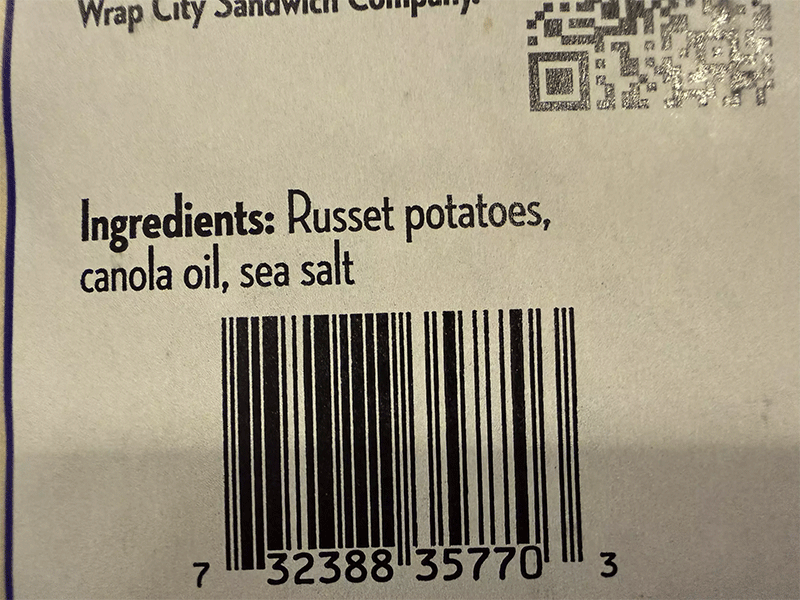
In an era of increasingly complex food labels, the Wrap City Potato Chip Company has achieved remarkable growth by betting on simplicity. The brand, which has expanded from a small sandwich shop side item to a multi-million-pound annual producer, attributes its success to a core philosophy: an uncompromising focus on ingredient quality. This strategy is a case study in the value of provenance. The company exclusively sources its Russet potatoes from family farms in Aroostook County, Northern Maine, a region long celebrated for its ideal potato-growing conditions. This direct partnership with growers ensures consistency and aligns with a public commitment to sustainability, highlighting a supply chain model where the farmer is a central character in the brand’s narrative.
This farm-to-bag story taps directly into potent consumer trends. According to recent data from the International Food Information Council (IFIC), “clean label” purchasing is a major driver, with a significant percentage of consumers actively seeking products with simple, recognizable ingredients. Furthermore, a report by Potatoes USA emphasizes that the specific gravity and sugar content of Russet potatoes from regions like Aroostook make them ideal for chipping, yielding a consistent color and crisp texture that mass-produced chips often struggle to match. By marketing this regional pedigree and a short, clean ingredient list, Wrap City Chips captures a premium market segment that values authenticity and traceability over brand legacy alone. Their expansion beyond New Hampshire is a clear indicator that this agricultural narrative has significant commercial legs.
The rise of Wrap City Chips demonstrates a fundamental shift in the value chain. For potato producers, it underscores that the market is increasingly rewarding not just volume, but also story, sustainability, and verifiable quality. Brands that build their identity around a direct, transparent relationship with growers are well-positioned to capture the growing premium snack segment. For farmers in regions like Aroostook County, this trend represents an opportunity to differentiate their crop and build more resilient, value-added partnerships directly with consumer-facing brands.

