The food business is hugely dependent on consumer demands and processors, while equipment manufacturers must adapt accordingly to stay ahead of the game. Andre Erasmus examines some changes and adaptations that have taken place in the cooking field.
The 21st century is very much a consumer-driven world. People are spoilt for choice and can pretty much pick and choose when it comes to anything from food to foreign holidays. Indeed, there has been a significant learning curve for many over the past decade or two as things have changed and modernized. This is thanks, largely, to the world of technology. The Internet has turned our entire world into a global village and we have become more international and more cosmopolitan in everything we do. And this includes how and what we eat. Localized food becomes global: travel allows tradition to become trendy, while populations migrate and take their favorite dishes with them.
Healthier choices
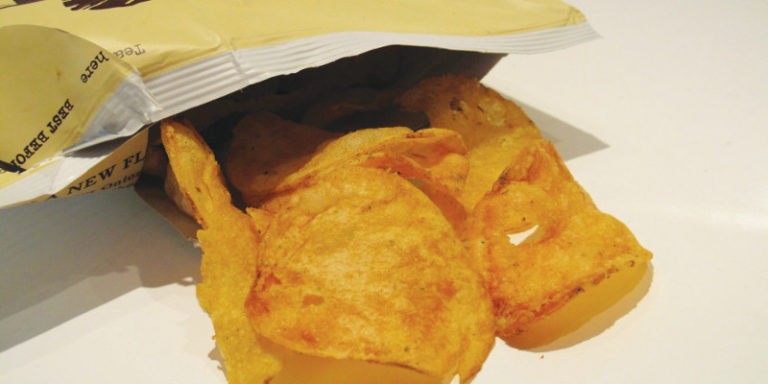
This not only includes food, but dietary trends, with the continual search for the ‘healthier’ option again dictates lifestyle choices. To this end, fried foods and potatoes have often been regarded as the ‘baddies’ in recent times. This was not always the case, but the hectic pace at which most of us live has seen a rise in convenience foods, snacking and pre-prepared meals. As always, the food industry adapts. Frying has become healthier, as technology advances and alternatives to fried foods are made available. The rise in the popularity of the baked potato chip is a case in point. In fact, the snacks industry overall has responded positively to demands from consumers for healthier snacks by reformulating how snacks are produced.
According to major equipment supplier Baker Perkins, however, there is always the need to further improve the nutritional profile of snacks if market share is not to be lost. Consumers seem to be continually on the lookout for alternatives to traditional savory snacks, which is where the innovative research and development teams come into play.
For instance, says Baker Perkins, hot air expansion can replace frying as a process for converting extruded pellets into a finished snack. The company says that frying snack pellets absorbs a large amount of oil, giving them a high fat content. Hot air expansion, meanwhile, produces snacks of comparable texture and appearance without any oil being used. The minimum amount of oil required for flavor purposes may be applied at the end of the process. The healthy positioning of hot air-expanded products can be further extended through the complete elimination of oil. Baker Perkins has successfully applied knowledge from its confectionery technology to enable polyol-based syrups to carry seasoning and flavors. Polyols are low-calorie sugar substitutes without the sweetness of sugar, making them ideal carriers for savory flavors.
Equipment innovation
Moving to other potato-based products, the hash brown and rösti are proving to be international favorites. In response, Kiremko has designed the Retro Grader, which allows for retrogradation of starch in order to achieve a more stable texture. Director Andy Gowing insists that, by using retrogradation, the stickiness and the firmness of potato pieces are improved. “This means that product shapes can be formed more accurately and successfully.”
The evaporation in the drying part of the machine causes the moisture content to be reduced, according to Gowing, which means the dry matter content is increased, while the product is partially cooled at the same time. The separate cooling section takes care of further cooling and facilitates the required cooling time, so that the retrogradation process can take place. Retrogradation occurs in the critical temperature zone between 70 and 20°C, which means that hygiene is very important.
Snacking Seen as Necessary
Onto the product itself. Snacking is now a worldwide phenomenon and consumers are prepared to pay for good snacks, recent research by Mintel shows. In the USA, for instance, 73% of consumers are willing to pay extra for snacks made with high-quality ingredients. Further evidence of their desire for ‘healthy’ foods is that 50% say that healthier snacks would motivate them to buy more from specialty snack shops. With snacking now ubiquitous, more than three in five consumers agree that snacking is necessary to get through the day. While the older generation might consume any snack, the younger set (‘Millennials’) are more likely to be motivated by healthy snack options.
Diana Kelter, foodservice analyst at Mintel, says: “Snacking is now a staple of the American diet, and, as consumers snack more often, they are looking for healthier ways to indulge with high-quality ingredients. “By including healthier snacks on menus, shops can expand their appeal beyond Millennials, America’s primary snacking generation.”

