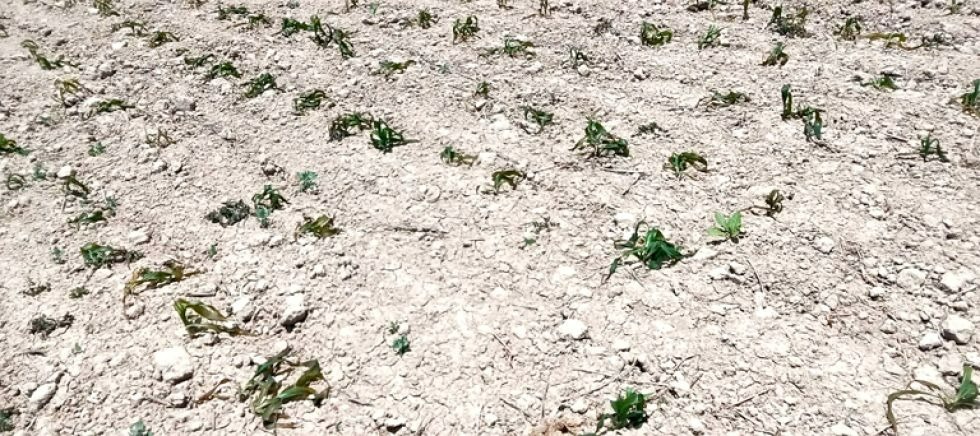
The municipality of Culpina in Chuquisaca, Bolivia, has suffered a major agricultural disaster after a sudden frost destroyed potato crops and other essential productions. Local communities report heavy losses, with some fields completely wiped out overnight.
In a region where agriculture is the backbone of both income and food security, such extreme events have immediate and long-lasting consequences.
What Happened in Culpina?
A Sudden and Severe Frost
The region experienced unexpectedly low temperatures, dropping sharply in a matter of hours.
Potato crops — highly susceptible during certain growth stages — suffered the greatest impact. In many cases, entire plots turned black and wilted by the next morning.
Damage Beyond Potatoes
Alongside potatoes, frost affected:
- maize,
- beans,
- horticultural crops,
- and even forage plants needed for livestock.
For smallholder families, this combination multiplies the economic shock.
Remote Andean Vulnerability
High-altitude regions like Chuquisaca are particularly exposed to rapid climate shifts.
Producers report that frosts are becoming more unpredictable, arriving earlier or later than traditional agricultural calendars expect.
Farmers Speak Out
Local producers describe scenes of devastation:
“We woke up to find everything burned by the cold. Months of work gone in a single night.”
Many farmers fear they will not have enough yield to cover family consumption, let alone sell surplus at markets. Such testimonies mirror similar crises seen in Peru, northern Argentina and parts of Ecuador — all documented through recent updates on Potatoes News.
Potatoes News Analytics: A Growing Pattern in the Andes
The frost in Culpina highlights several regional trends:
Increasing Climate Instability
Andean potato-producing areas across Latin America have reported unusual frosts, droughts and heat spikes.
These phenomena disrupt long-established planting seasons.
High Dependence on a Few Crops
In many communities, potatoes, maize and beans are central to income and food security.
A frost event hitting all three crops simultaneously has deep social consequences.
Limited Access to Climate-Resilient Infrastructure
Few producers have access to protective measures such as:
- frost-resistant varieties,
- crop shelters,
- emergency irrigation,
- insurance systems.
This increases vulnerability during extreme events.
Potential Impact on Food Security
The municipal authorities warn that crop losses could lead to:
- reduced availability of potatoes in local markets,
- increased prices,
- higher demand for external supply,
- short-term food insecurity in remote communities.
Given that Bolivia relies heavily on smallholder agriculture, localized disasters can have widespread ripple effects.
What Can Be Done?
Emergency Support
Producers urgently need assistance such as:
- seed replacement for replanting,
- financial aid,
- food packages for affected families.
Strengthening Climate Resilience
Agronomists suggest:
- early-warning systems,
- frost-tolerant varieties,
- improved soil moisture management,
- protective covers for high-risk periods.
Long-Term Regional Strategy
Bolivia, like many Andean countries, may need to update its agricultural policies to align with a more volatile climate reality.
Conclusion
The frost that devastated potato and other crops in Culpina is more than an isolated incident — it is part of a wider pattern of climate instability affecting Andean agriculture. For the farmers of Chuquisaca, the losses are immediate and painful. For the region, the event highlights the urgent need for adaptation strategies.
The key question now is:
How can Andean farming communities strengthen resilience against increasingly unpredictable climate shocks?
Bolivia (Chuquisaca): Helada arrasa cultivos de papa y otras producciones en Culpina
argenpapa.com.ar/noticia/16761-