A previously exotic virus has forced the destruction of nearly 2,000 tonnes of seed potato in Tasmania, a drastic containment measure that underscores the relentless and costly challenge of agricultural pathogens. This event serves as a critical case study in biosecurity response and long-term disease management for potato industries worldwide.
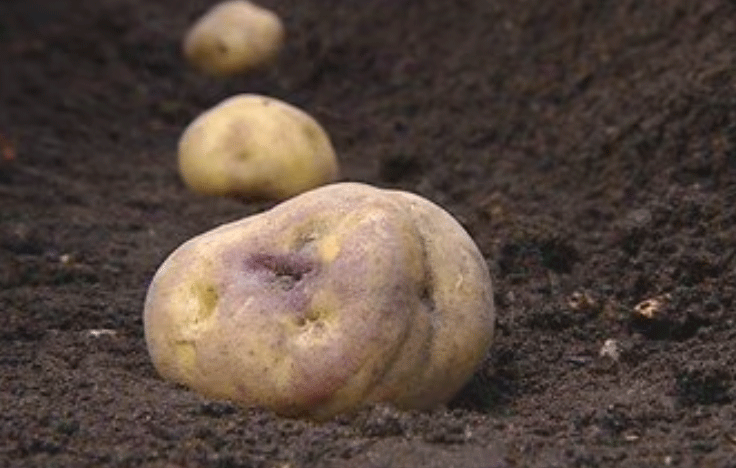
In July, the potato mop-top virus (PMTV) was detected for the first time on Australian soil, triggering an extensive biosecurity response. PMTV, which causes unsightly rust-coloured arcs and rot in potato flesh while being harmless to humans, is particularly insidious. Its primary vector is the soil-borne pathogen Spongospora subterranea, which causes powdery scab and can harbour the virus for years with no known method of eradication. Following the initial detection, Biosecurity Tasmania implemented a massive testing regime, collecting over 100,000 tubers from nearly 400 certified seed lines. The results confirmed the virus’s presence, leading to the decision to destroy approximately 1,700 tonnes of seed potato to prevent further spread.
This response, while severe, aligns with the virulent nature of PMTV. According to a 2023 review in the journal Plant Disease, PMTV is a soil-borne viral disease that is nearly impossible to eliminate once established, with yield losses in susceptible varieties potentially reaching 25% or more. The review emphasizes that management relies almost exclusively on prevention and containment, as Tasmania is now attempting. The situation mirrors experiences in other regions, such as New Zealand, which detected PMTV seven years ago and has since shifted to a management-focused model, acknowledging that eradication is not feasible.
Despite the destruction, TasFarmers, the state’s peak farming body, assures growers that there will be an adequate supply of certified, tested seed for the upcoming season. The destroyed seed represents a portion of the state’s total production, which is about 43,000 tonnes from 810 planted hectares. The strategy now is to plant only seed lines in which PMTV was not detected, though authorities caution that a “not detected” result may sometimes mean the virus is present but below detectable levels.
The Tasmanian PMTV outbreak is a stark reminder of the fragility of modern agricultural systems in the face of globalized biosecurity threats. The decision to destroy a significant portion of the seed stock, while economically painful, is a necessary short-term tactic to slow the spread and buy time for the industry to adapt. Long-term, this event highlights the non-negotiable need for robust, multi-layered biosecurity protocols—from cleaning machinery to restricting movement—and accelerated investment in research. Key areas for focus include the development of rapid soil testing, as is underway in Tasmania, and the breeding of resistant potato varieties. For the global agricultural community, this incident reinforces that vigilance and proactive investment in biosecurity are far less costly than reacting to an incursion.

