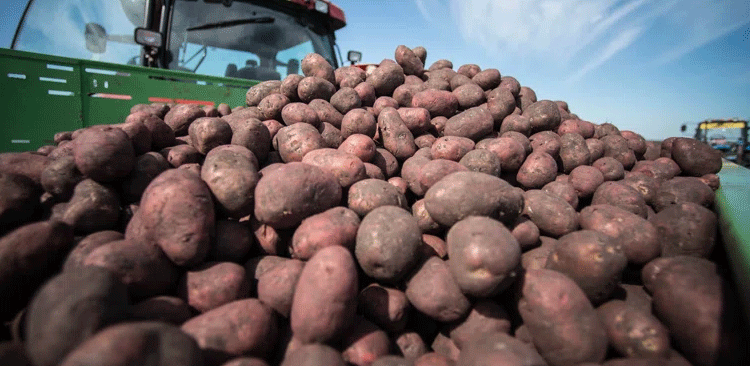
The autumn harvest in Sverdlovsk Oblast is painting a picture of abundance for key vegetables like potatoes, carrots, cabbage, and beets. According to Vitaly Samorodov, director of the Belorechensky agribusiness complex—the largest in the region—this year’s potato yield is 30% higher than in 2024. Favorable summer conditions with balanced sun and rain are credited for the robust harvest. In Samorodov’s enterprise alone, the expected potato harvest is 27,000 tons, matching last year’s output but with a crucial difference: unlike 2024, when 8,000 tons were lost to phytophthora blight, this year’s crop is healthy, meaning more usable produce will enter the supply chain.
This health advantage is already impacting the market. Last year, approximately 30% of the stored potato crop was lost, leading to a severe deficit that drove retail prices to 85 rubles per kilogram by April. This season, with minimal disease pressure, Samorodov’s operation is currently selling potatoes to retail chains for about 16 rubles/kg, appearing on shelves for 21 rubles/kg. He anticipates a gradual winter price increase to around 25 rubles/kg but remains cautious about the spring of 2026.
The Storage Bottleneck Threatens Future Stability
The central challenge, as identified by Samorodov, is not growing the vegetables but preserving them. The region faces a significant deficit of modern vegetable storage facilities. Many farmers cannot maintain product quality until April-May, creating an annual spring shortage. In 2024, this gap was filled by imports, with carrots supplied from Belarus and potatoes from Egypt. Samorodov emphasizes that “the deficit of vegetables is linked to the deficit of storage,” underscoring the need to expand storage capacity to ensure year-round domestic supply.
This issue is exacerbated by a delayed harvest. Rainy weather has pushed the harvesting schedule back by several weeks, forcing farmers to work aggressively during dry spells to move over 1,000 tons of vegetables per day from the fields. While Samorodov’s facility has a substantial 40,000-ton capacity, the bumper harvest is prompting aggressive sales now to avoid losses, with produce being shipped across a wide region from Novosibirsk to Samara. This situation aligns with broader concerns in Russian agriculture. A 2023 report by the National Fruit and Vegetable Union highlighted that post-harvest losses in Russia can reach 40% for some vegetables, primarily due to inadequate storage infrastructure, a problem estimated to cost the industry billions of rubles annually.
Sverdlovsk’s bountiful harvest is a testament to successful cultivation but also exposes a critical vulnerability in the regional food system. The lack of sufficient, modern storage infrastructure means that today’s abundance could quickly turn into next spring’s shortage, forcing a reliance on imports and leading to price volatility. For the region’s agricultural sustainability, strategic investment in cold storage and climate-controlled warehouses is not just an option but a necessity to translate field success into year-round food security and price stability for consumers.

