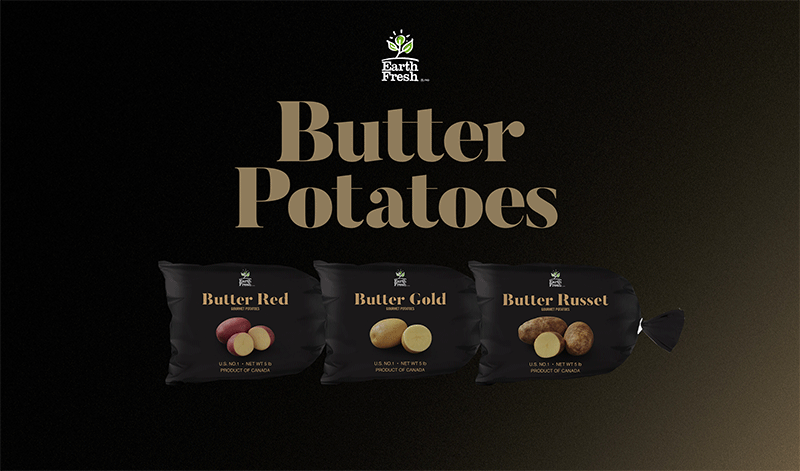
The national rollout of EarthFresh’s Butter potato lineup—featuring Butter Gold, Butter Red, and Butter Russet varieties—signals a transformative moment in potato marketing and genetics. Unlike conventional commodity potatoes, these varieties were specifically bred and selected for their “buttery” texture and flavor profile, a quality the company claims eliminates the need for added butter in preparation. This development aligns with growing consumer demand for premium, convenient food experiences. According to recent data from the United Potato Growers of America, while overall potato consumption has remained stable, the value-added and specialty segment has grown by approximately 12% annually over the past three years. EarthFresh’s decade-long R&D program, culminating in a rigorous 100-point sensory analysis scale, reflects an industry-wide move towards data-driven quality assurance and standardized flavor profiling, similar to approaches used in the wine and specialty coffee industries.
The market potential for such differentiated potatoes is substantial. The reported 85% consumer intent-to-purchase rate from IMI International significantly outpaces typical new product introduction metrics in the produce aisle, which often hover around 30-40% for successful launches. This consumer pull, combined with strategic partnerships with renowned chefs like Yann Nuri, creates powerful top-down demand drivers that can justify premium pricing and secure shelf space. For growers, this model presents both an opportunity and a challenge. The opportunity lies in capturing more value per acre; specialty potatoes can command prices 2-3 times higher than conventional varieties. The challenge involves adapting production and post-harvest handling to maintain the specific quality attributes—such as consistent skin set, sugar profiles, and storage longevity—that define these premium lines. Furthermore, the success of a single-variety, nationwide launch requires a tightly coordinated supply chain, from seed potato propagation to nationwide logistics, to ensure quality and availability meet market expectations.
EarthFresh’s Butter potato launch is more than a new product introduction; it is a validation of a market-driven breeding strategy that prioritizes sensory qualities and culinary performance. It demonstrates that the future of potato profitability may not lie in maximizing yield alone, but in cultivating distinct, high-value varieties that meet specific consumer and chef demands. For the agricultural community, this underscores the importance of collaborative efforts between breeders, food scientists, and marketers to identify and develop these niche opportunities. As consumers continue to seek out novel and enhanced food experiences, the ability to deliver consistent, superior eating quality will become an increasingly critical factor in securing a competitive advantage and moving the potato industry beyond its commodity roots.

