
Navigating the Ogallala Aquifer Dilemma: Sustainable Solutions for Potato Farming
Explore the challenges posed by water depletion in the Ogallala aquifer and the implications for potato farming, as elucidated by Sam Knowlton. Discover the imperative of adopting sustainable practices to address water scarcity and restore soil health, ensuring the long-term viability of agricultural endeavors in the Ogallala region.
Understanding the Challenges of Water Depletion and Agricultural Sustainability
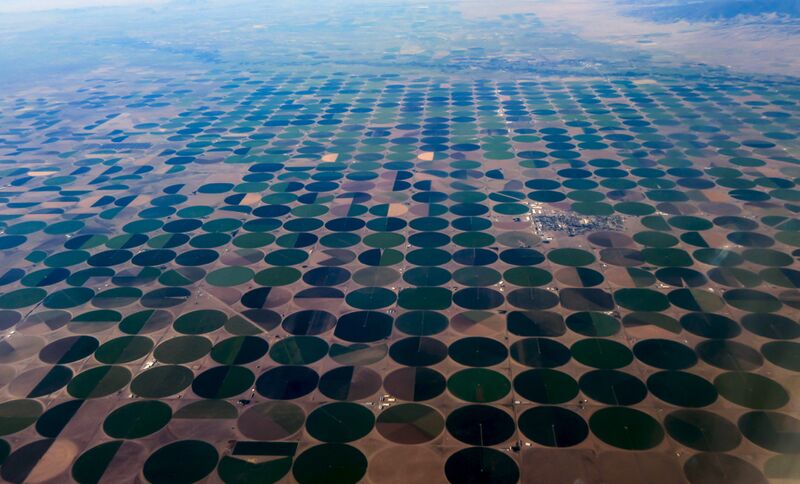
Sam Knowlton sheds light on the critical situation facing North America’s largest underground water source, the Ogallala aquifer. Responsible for sustaining nearly 30% of all crop and animal production in the US, this vital resource is facing a dire threat of depletion.
The Ogallala Aquifer: An Imperiled Resource With water levels plummeting by as much as 75% and a projected depletion within the next 70 years, the Ogallala aquifer’s significance cannot be overstated. Dating back to the most recent ice age, this “fossil water” sustains agricultural activities across vast regions.
Challenges of Water Recharge and Conservation Despite minimal recharge rates, ranging from 0.02 to 5 inches per year, the aquifer’s water table steadily declines, dropping up to 5 feet annually. While 90% of the extracted water supports agricultural endeavors, including corn and soybean cultivation, technological advancements in irrigation have failed to arrest the aquifer’s depletion.
Weekdays. Unsubscribe in one click.
The Jeavons Paradox: Efficiency vs. Consumption Efforts to enhance irrigation efficiency, achieving rates as high as 95%, paradoxically result in increased resource consumption. This phenomenon underscores the need for holistic solutions to water management challenges.
Restoring Soil Health for Sustainable Agriculture The depletion of organic matter in prairie soils exacerbates water-holding capacity issues, necessitating innovative approaches to soil restoration. Converting arable land to native pasture presents a viable solution, with the potential to increase organic matter by over 90% and restore the aquifer’s vitality.
Embracing Sustainable Livestock Practices Livestock play a pivotal role in revitalizing soil health, with their grazing activities fostering the regeneration of native pasture. Transitioning from corn and soy-based feeds to pasture grazing harnesses livestock’s evolutionary advantage, contributing to a more sustainable agricultural ecosystem.
Charting a Path Forward While transforming cropland to pasture may not be universally applicable, it emerges as a promising strategy for revitalizing the Ogallala region’s soil and water cycle. Embracing sustainable farming practices and prioritizing soil health are imperative to safeguarding the aquifer’s future viability.