The Rich History of Potato Cultivation in Afghanistan
Potatoes are a staple food in many parts of the world, and Afghanistan is no exception. This versatile and nutritious crop has a long and fascinating history in the country, where it has been cultivated for centuries. Let’s take a closer look at the history of potato cultivation in Afghanistan.
Potatoes were first introduced to Afghanistan in the 19th century, during the reign of King Dost Mohammad Khan. The crop was brought to the country by British colonizers who were expanding their influence in the region. However, the initial reception of potatoes by the Afghans was lukewarm. The crop was seen as strange and foreign, and many people were suspicious of its nutritional value.
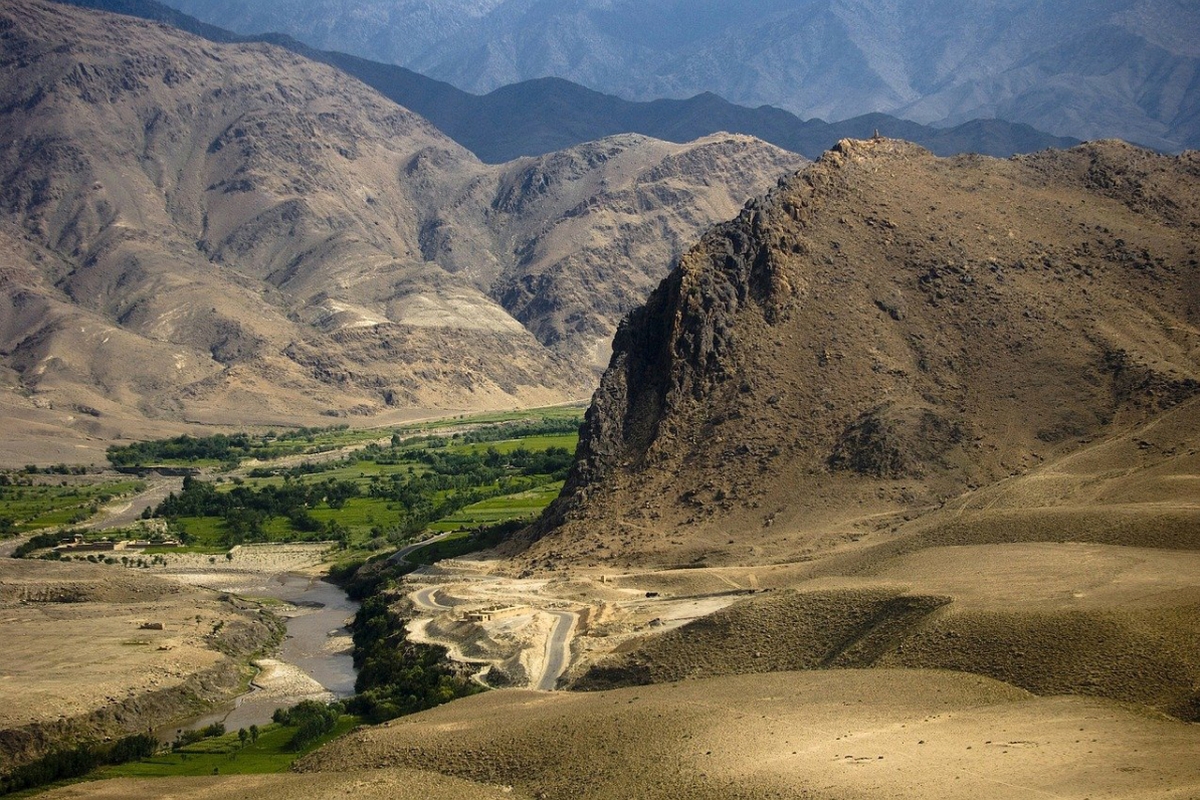
Over time, however, the Afghans began to appreciate the value of potatoes as a reliable and hardy crop. Potatoes are ideal for Afghanistan’s harsh and arid climate, and they can be grown in almost any type of soil. They also have a long shelf life, which makes them a valuable food source during the winter months when fresh produce is scarce.
By the early 20th century, potato cultivation had become an established practice in Afghanistan. The crop was grown in large quantities, and it quickly became a staple food in the Afghan diet. Potatoes were used in a variety of traditional dishes, such as aloo gosht, a flavorful stew made with meat and potatoes.
During the Soviet era, potato cultivation in Afghanistan was further developed and expanded. The Soviet government provided significant investment in agriculture, and many modern farming techniques and technologies were introduced. This led to an increase in potato production and made the crop more accessible to farmers across the country.
Unfortunately, the Soviet presence in Afghanistan was not without its drawbacks. The long and brutal war that raged between the Soviet-backed government and various rebel groups devastated the country’s infrastructure and economy. This led to a decline in potato cultivation, as many farmers were displaced and unable to continue their work.
Despite these challenges, potato cultivation remains an essential part of Afghan agriculture. Today, potatoes are grown in large quantities, and they continue to be a staple food in the Afghan diet. Moreover, the Afghan government has recognized the importance of agriculture and has recently launched several initiatives aimed at promoting sustainable and modern farming practices.
In conclusion, the history of potato cultivation in Afghanistan is a testament to the resilience and ingenuity of the Afghan people. Despite facing numerous challenges, they have continued to cultivate this valuable crop, which has played a vital role in their culture and cuisine. With ongoing support and investment, potato cultivation in Afghanistan is poised to continue to thrive and contribute to the country’s economic and nutritional growth.