
From “Devil’s Apple” to Global Staple: How a Frenchman Tricked Europe Into Loving Potatoes
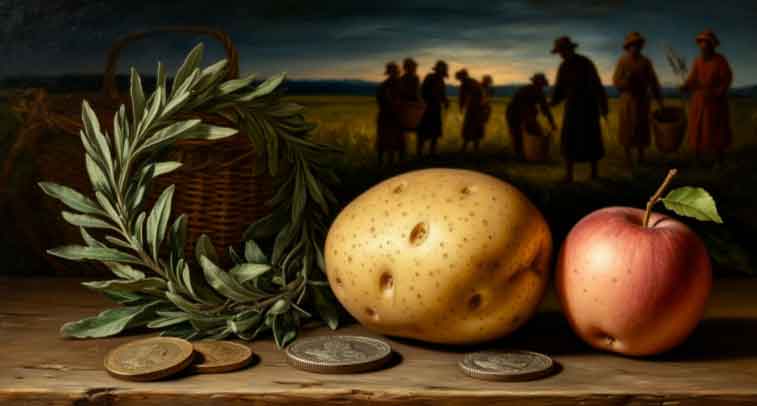
Potatoes are now considered one of the world’s most essential vegetables, but their journey to acceptance was anything but smooth. The unlikely hero of this story is French military pharmacist Auguste-Antoine Parmentier, who was captured by the Prussians and survived for two years on potatoes — a crop then banned in France. Upon returning home, he devised a clever strategy: he planted potato fields at a Carmelite monastery and posted armed guards. The soldiers only stood watch during the day, leaving the fields unguarded at night. Hungry Parisians, intrigued by the secrecy, began stealing the tubers and planting them themselves. Parmentier popularized dishes like mashed potatoes with nutmeg and a baked casserole of beef mince with onion and thyme topped with cheese, forever changing French cuisine.
Tragedy and innovation have also shaped potato history. In the mid-19th century, a devastating late blight outbreak in Ireland led to the Great Famine, which killed approximately 25% of the country’s population. Today, the potato enjoys a renaissance in iconic regional dishes. Irish Colcannon — potatoes boiled with milk and mixed with cabbage or kale, green onions, and plenty of butter — remains a beloved classic. Meanwhile, Idaho has become synonymous with the tuber; locals joke, “The dumber the farmer, the bigger his potatoes.” Idaho-style potatoes are cut into wedges like oranges, boiled briefly, marinated in oil with garlic, paprika, coriander, dill, and Tabasco, then baked until crisp. They are served as a side dish or main course with various sauces.