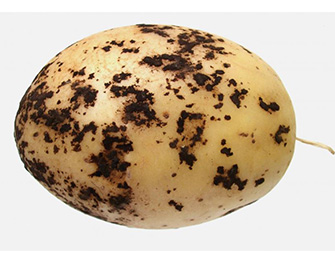
Introduction Rhizoctonia solani is a fungal disease that poses a significant threat to potato crops worldwide. This destructive pathogen causes various symptoms, including stem canker, damping off, black scurf, skin netting, and tuber growth distortions. To mitigate the impact of Rhizoctonia solani, farmers need to adopt an integrated approach that combines several effective strategies. This article will explore these strategies and provide valuable insights into managing this fungal disease effectively.
Understanding Rhizoctonia Solani Rhizoctonia solani is a soil-borne fungus that primarily affects potato plants. It thrives in cold planting conditions and can survive in soil for extended periods. The disease manifests as reddish-brown necrotic patches, known as cankers, on affected roots, stems, and stolons. Infected tubers display black scurf, growth distortions, and other abnormalities, reducing their quality and market value.
Integrated Approach for Disease Management
- Using Clean Seed: Starting with disease-free seed is crucial for preventing the introduction of Rhizoctonia solani into the potato crop. Farmers should obtain certified seed from reputable sources, ensuring that it has been tested and certified free from the disease.
- Promoting Early Emergence: Early emergence is beneficial in reducing the risk of Rhizoctonia solani infection. Planting potatoes in well-drained, warm soil and maintaining appropriate moisture levels can encourage quick and uniform emergence, reducing the susceptibility to the disease.
- Practicing Long Rotations: Crop rotation is an effective strategy for managing Rhizoctonia solani. Avoid planting potatoes or other susceptible crops in the same field for consecutive years. A minimum rotation period of three to four years can help reduce the inoculum levels in the soil, limiting the disease’s impact.
- Improving Soil Health: Maintaining soil health is crucial for preventing Rhizoctonia solani. Practices such as adding organic matter, improving soil drainage, and optimizing pH levels can create an unfavorable environment for the pathogen’s survival and growth.
- Using Fungicides: Fungicides can be used as a preventive measure to control Rhizoctonia solani. Applying fungicides during planting or early in the growing season can help protect young plants from infection. However, it is essential to follow the manufacturer’s instructions and local regulations for safe and effective use.
Conclusion Rhizoctonia solani poses a significant challenge for potato farmers, but with the implementation of an integrated approach, the impact of this fungal disease can be minimized. Starting with clean seed, promoting early emergence, practicing long rotations, improving soil health, and judicious use of fungicides can collectively contribute to effective disease management. By adopting these strategies, farmers can protect their potato crops from Rhizoctonia solani and ensure a healthy and thriving harvest.
Q: What is Rhizoctonia solani?
Q: How does Rhizoctonia solani spread?
Q: What are the symptoms of Rhizoctonia solani?
Q: How can I prevent Rhizoctonia solani infections?
Use clean and disease-free seed potatoes.
Promote early emergence and fast crop growth.
Practice long crop rotations to reduce disease pressure.
Improve soil health and fertility.
Use fungicides judiciously and follow recommended application guidelines.
Q: How can I manage Rhizoctonia solani in my potato crops?
Use certified disease-free seed potatoes.
Implement crop rotation practices to break the disease cycle.
Promote early emergence by providing optimal planting conditions.
Improve soil health by adding organic matter and maintaining proper drainage.
Practice good weed control to reduce competition and disease pressure.
Follow recommended fungicide programs, if necessary, to control the disease.
Q: Are there any cultural practices that can help manage Rhizoctonia solani?
Plant clean, healthy seed potatoes.
Avoid planting in cold and wet soil conditions.
Provide adequate spacing between plants for good air circulation.
Remove and destroy infected plant debris after harvest.
Maintain proper soil fertility and pH levels.
Q: Can fungicides be used to control Rhizoctonia solani?
Agribusiness Agricultural Economics agricultural innovation Agricultural Technology Agriculture Agronomy crop management CROP PROTECTION crop rotation Crop Yield farmers fertilizers Food Security INNOVATION irrigation market Potato Potato Breeding Potato Chips Potato cultivation potato diseases or defects potatoes potato farm Potato Farming Potato growers potato harvest POTATO INDUSTRY potato market potato planting Potato prices Potato processing Potato Production potato sector potato seed sector Potato Storage potato varieties Precision agriculture Precision Farming russia seed potatoes soil health soil management SUSTAINABILITY sustainable agriculture sustainable farming