


Legacy, innovation, and new nutritional horizons — an interview with Chilean breeder Boris Contreras












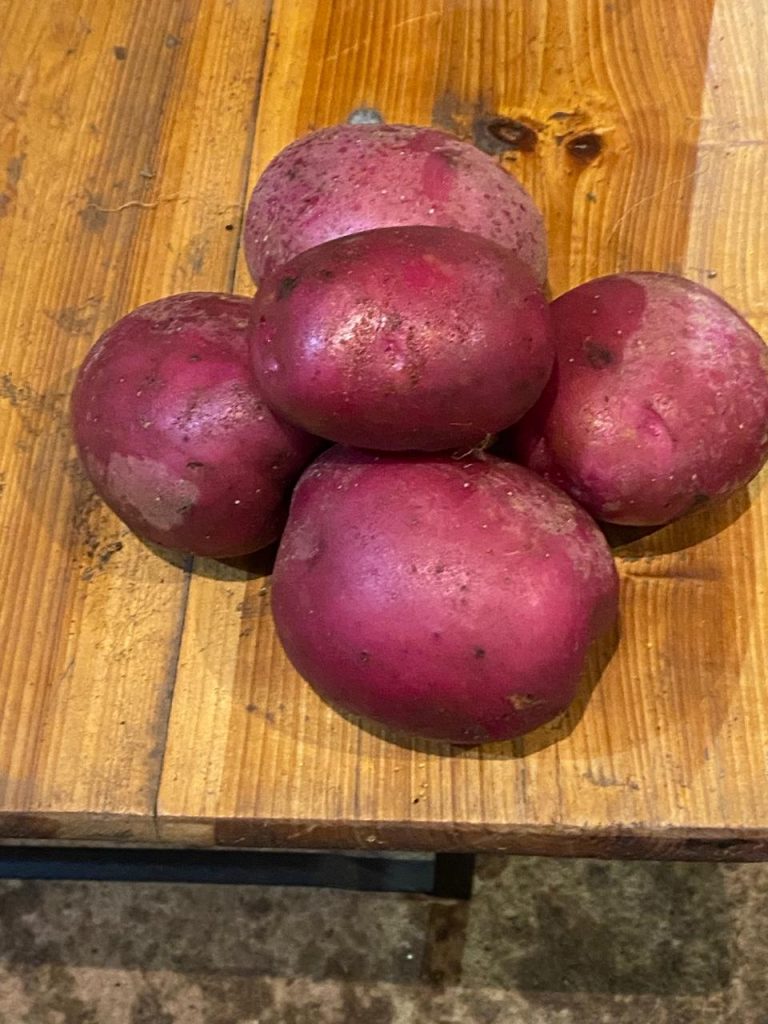
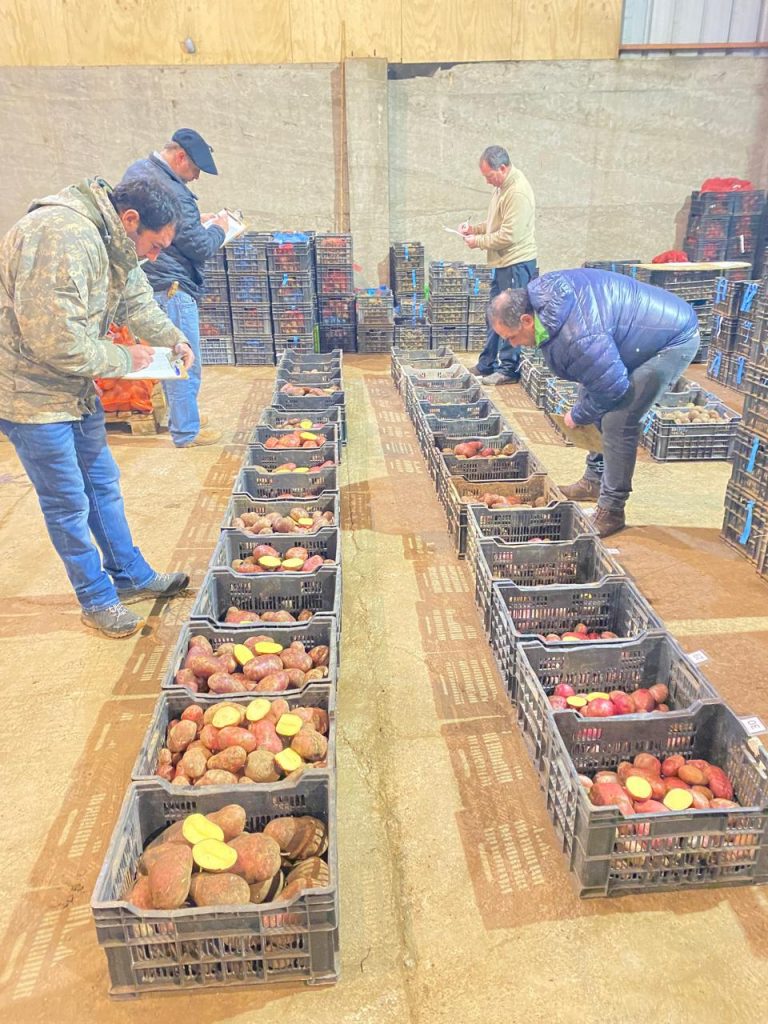
The Contreras potato story began with a father’s expeditions for wild potatoes and continues in the son’s laboratory, where rainbow-colored, stress-tolerant, and health-boosting varieties are being developed. Discover how family continuity is transforming a humble staple into one of the most promising crops of the 21st century.
- A Family Relay: From Trailblazer to Innovator
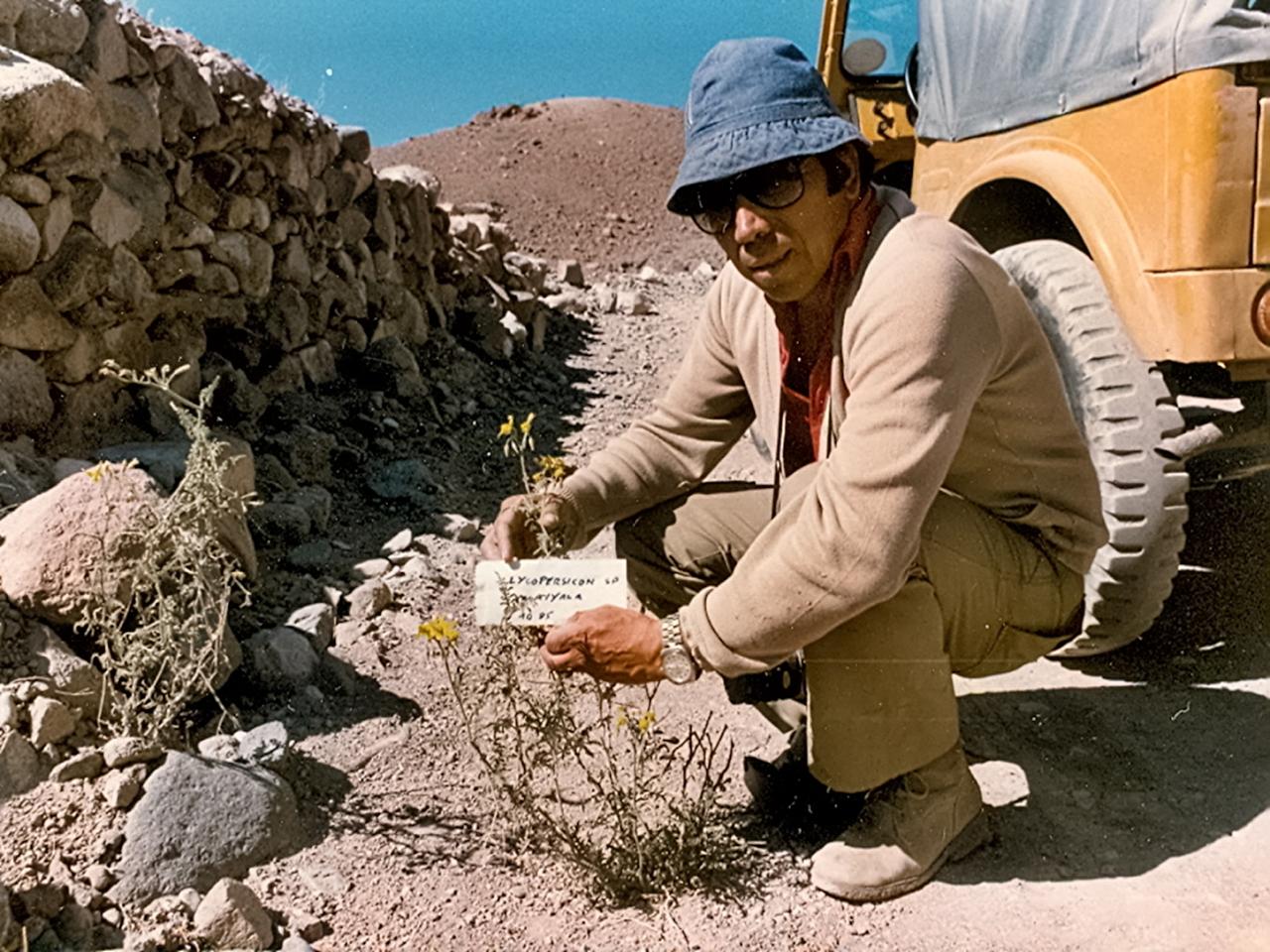
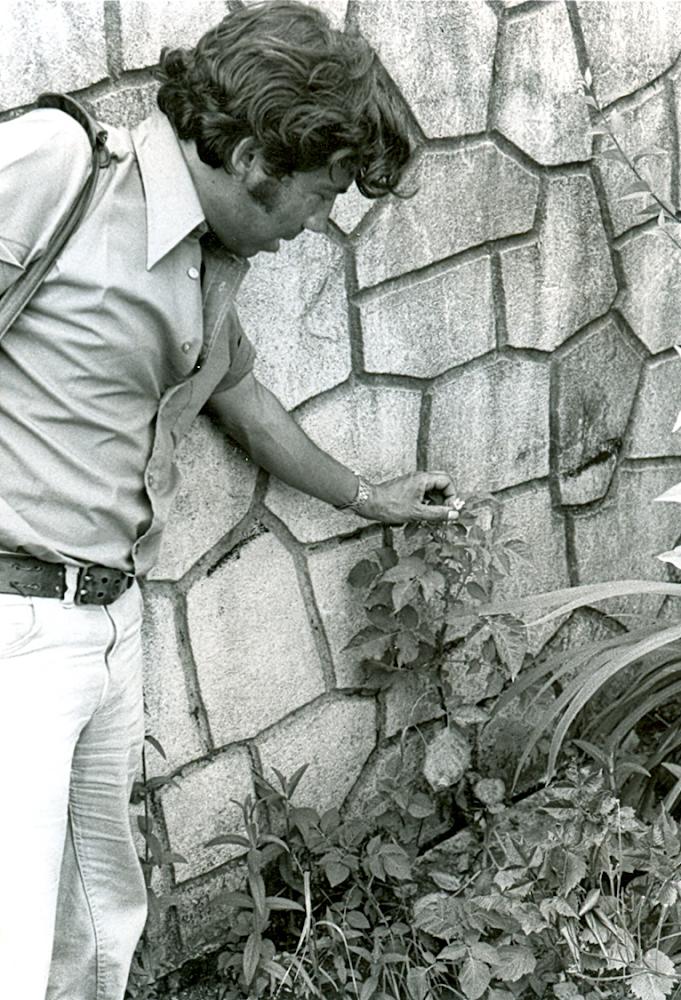
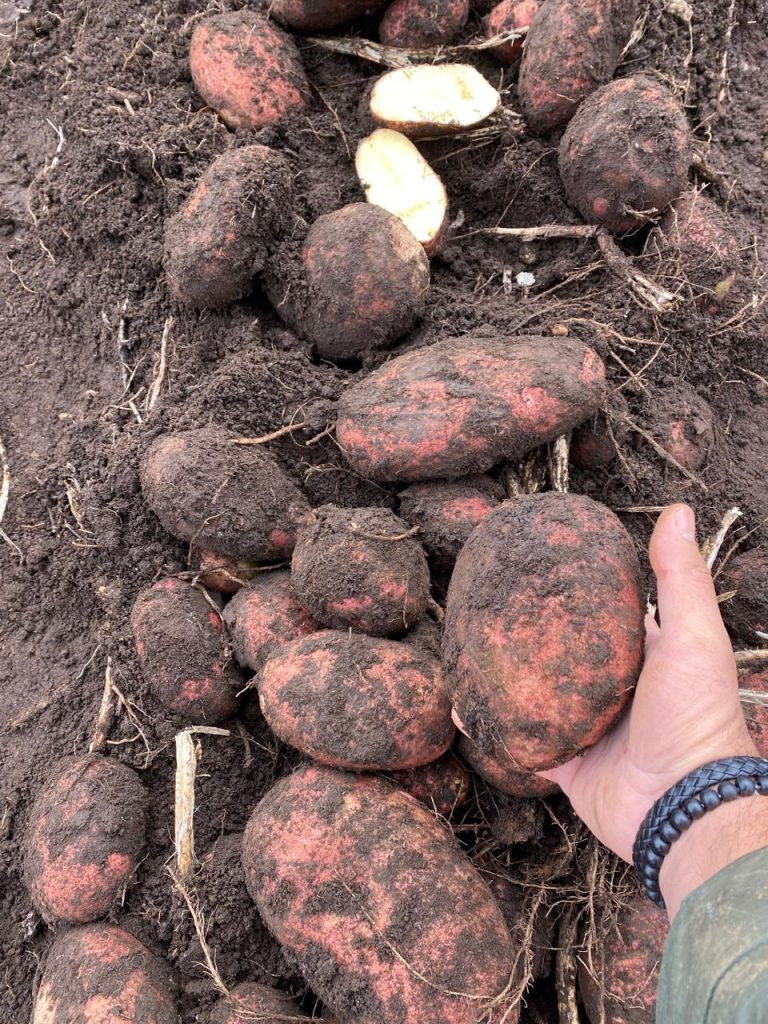
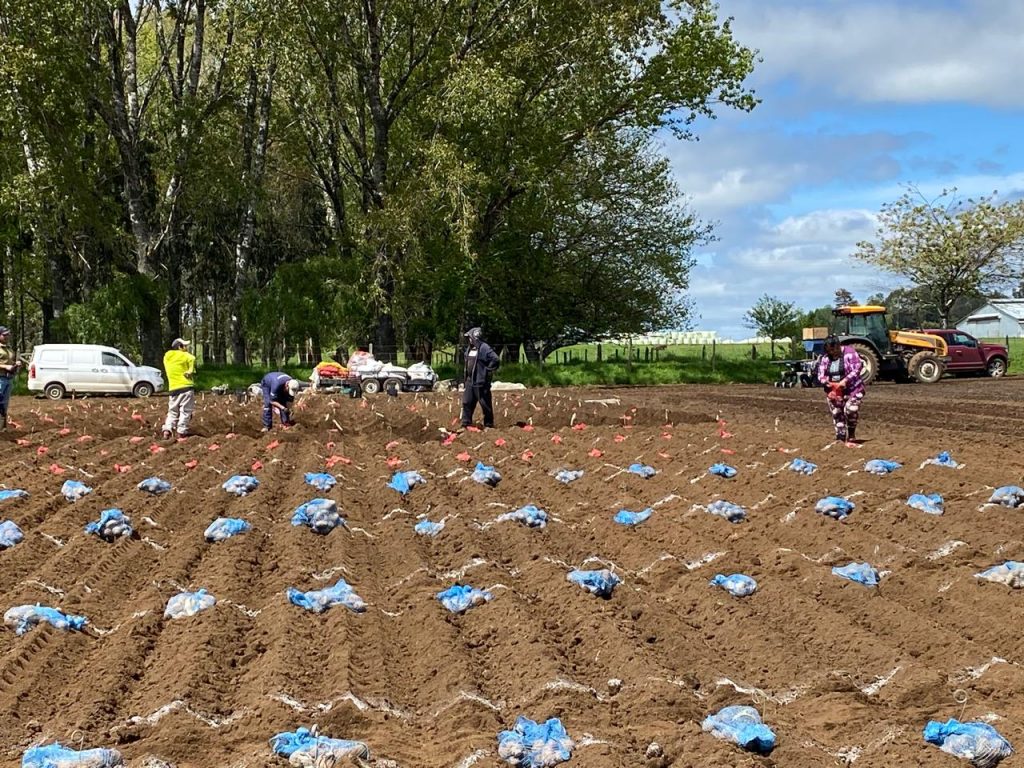
Long before Boris Contreras picked up a pipette, potatoes were already a big part of his life. His father, a university researcher, spent decades collecting native potatoes on the Chiloé Islands, creating a germplasm collection that later shaped many commercial cultivars worldwide.
“When I was twelve, I vowed to carry on my father’s work — but this time, with the aim of bringing Chilean potatoes to the global stage,” Boris recalls.
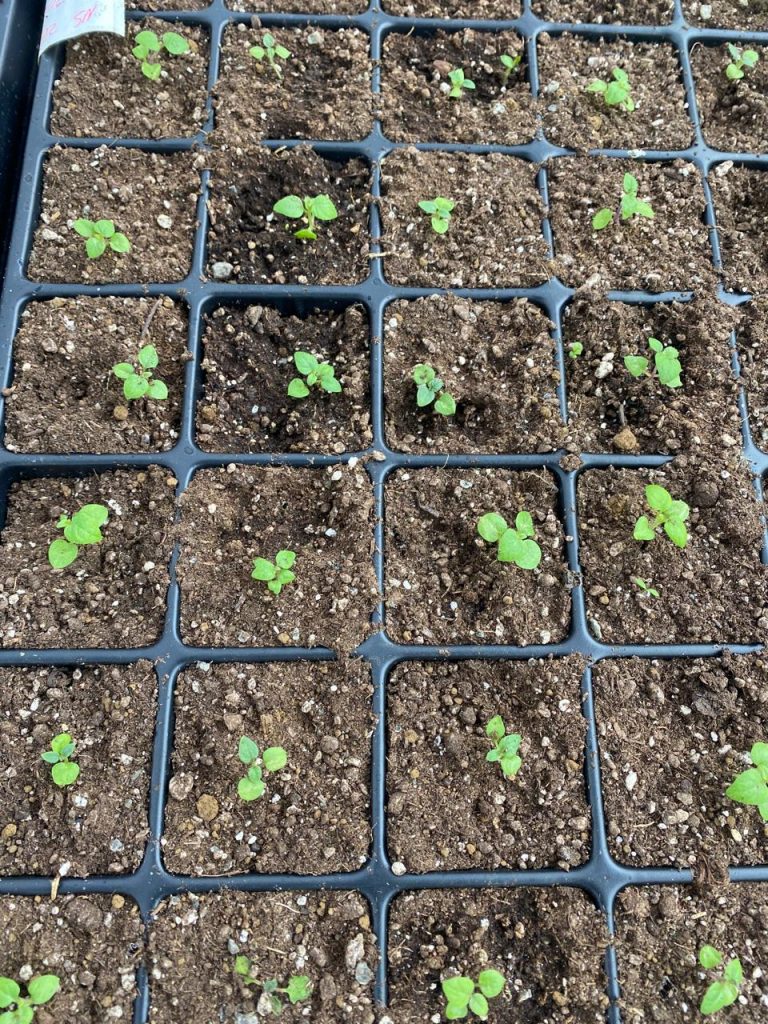
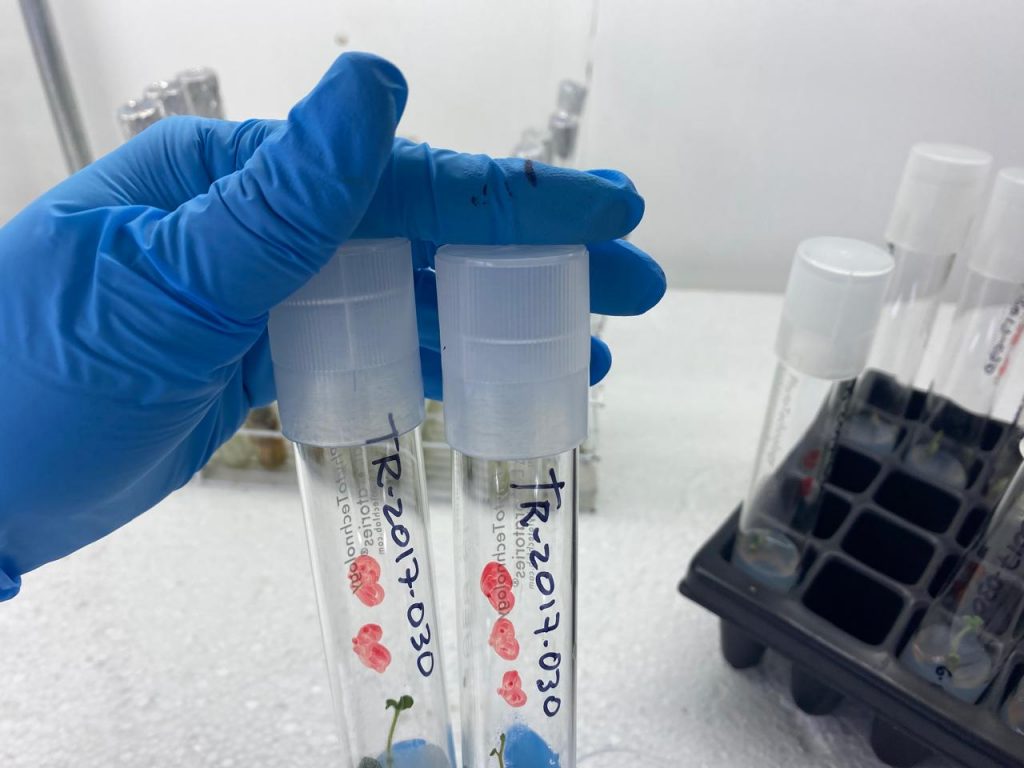
Today, his company, Novaseed, produces up to 60,000 seedlings annually, and the Contreras name has become synonymous with potato innovation.
- Rainbow and Baby Format: Evolving Taste and Convenience
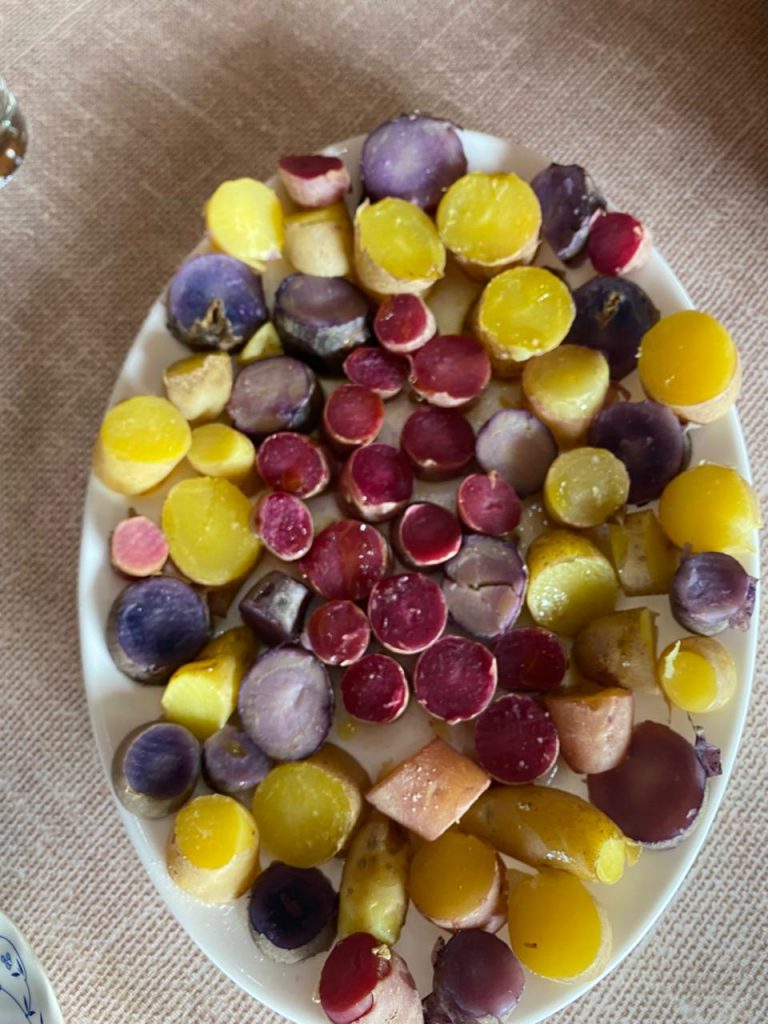
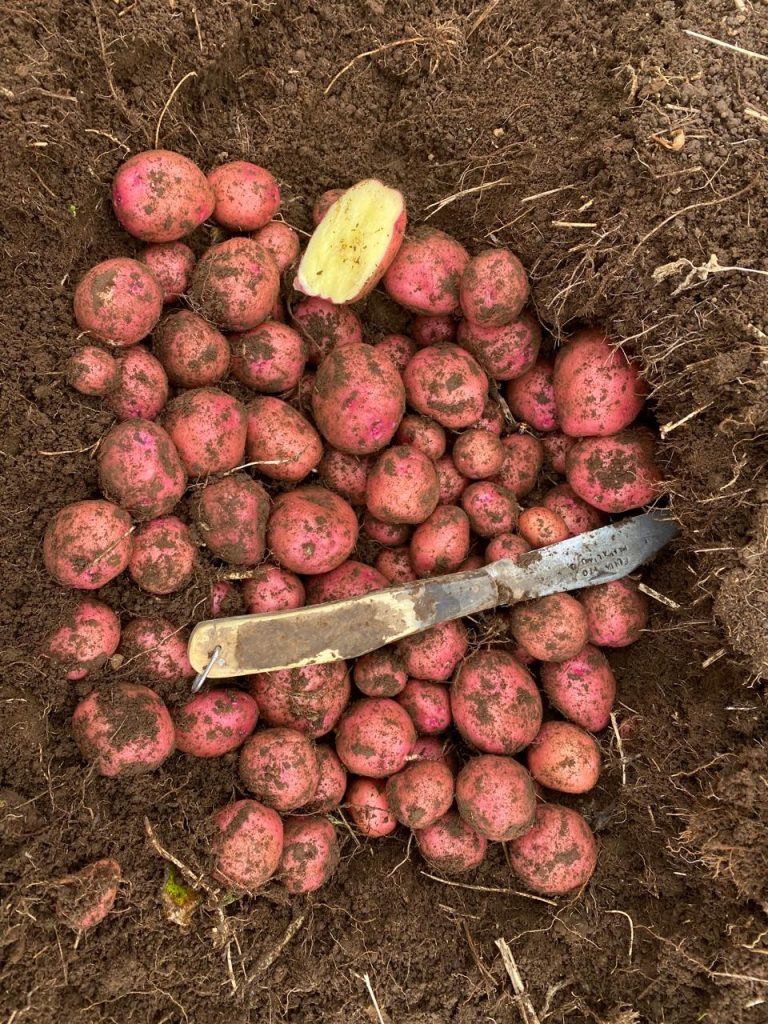
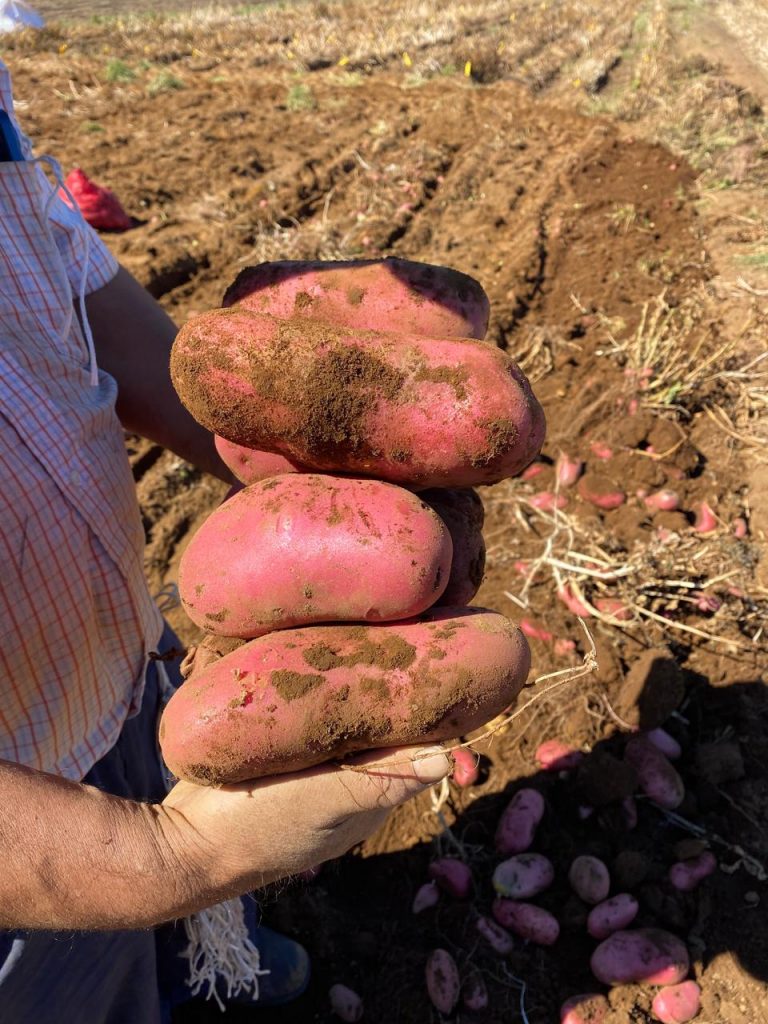
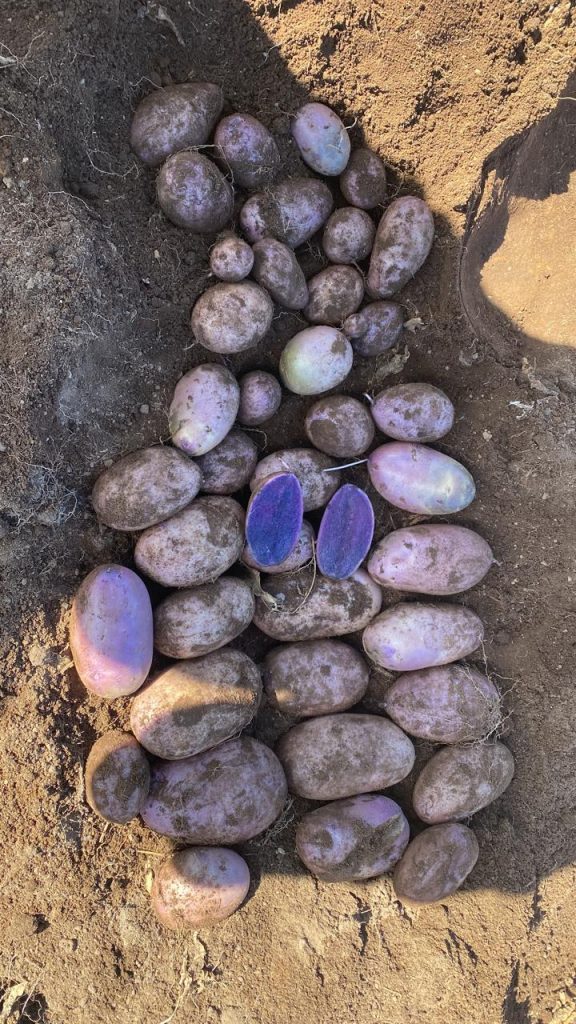
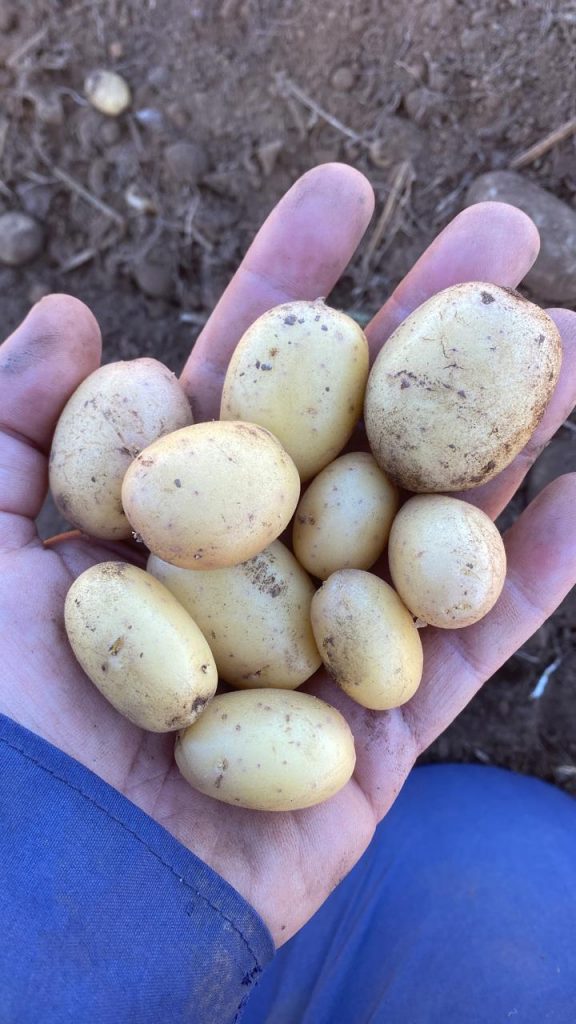
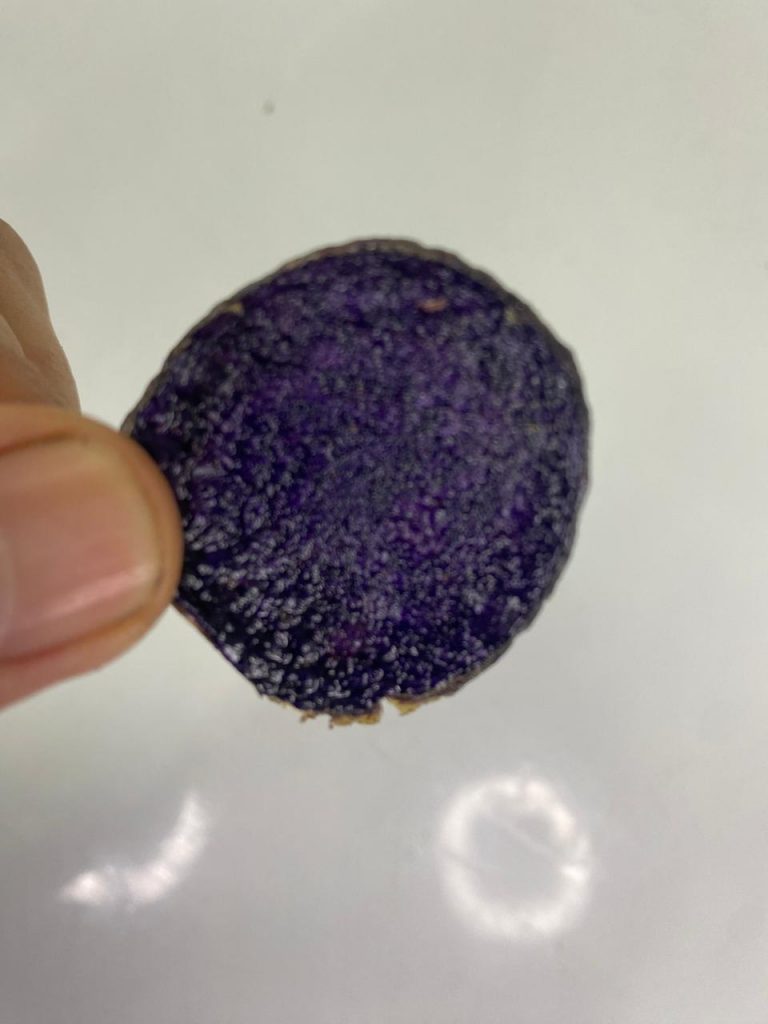
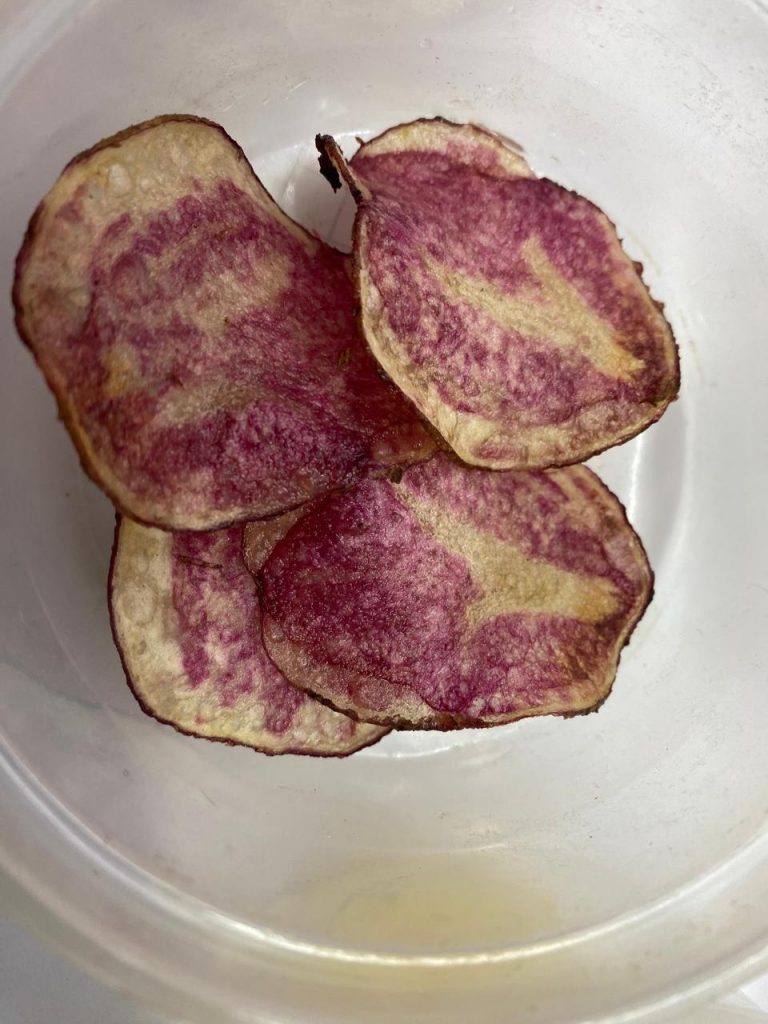
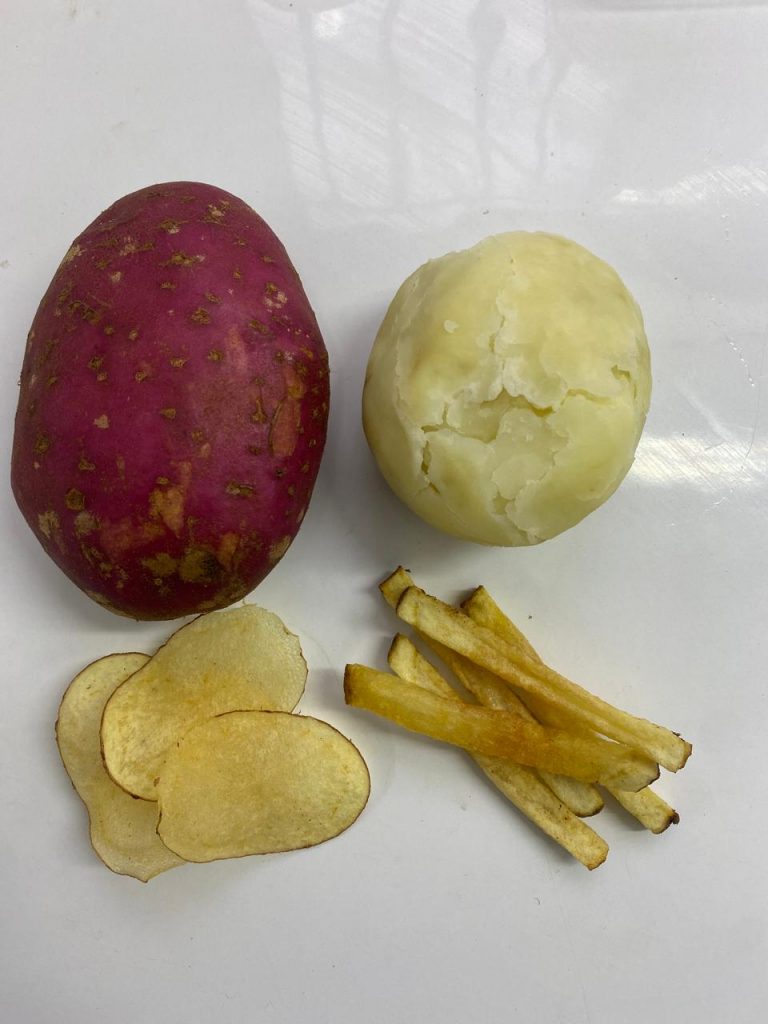
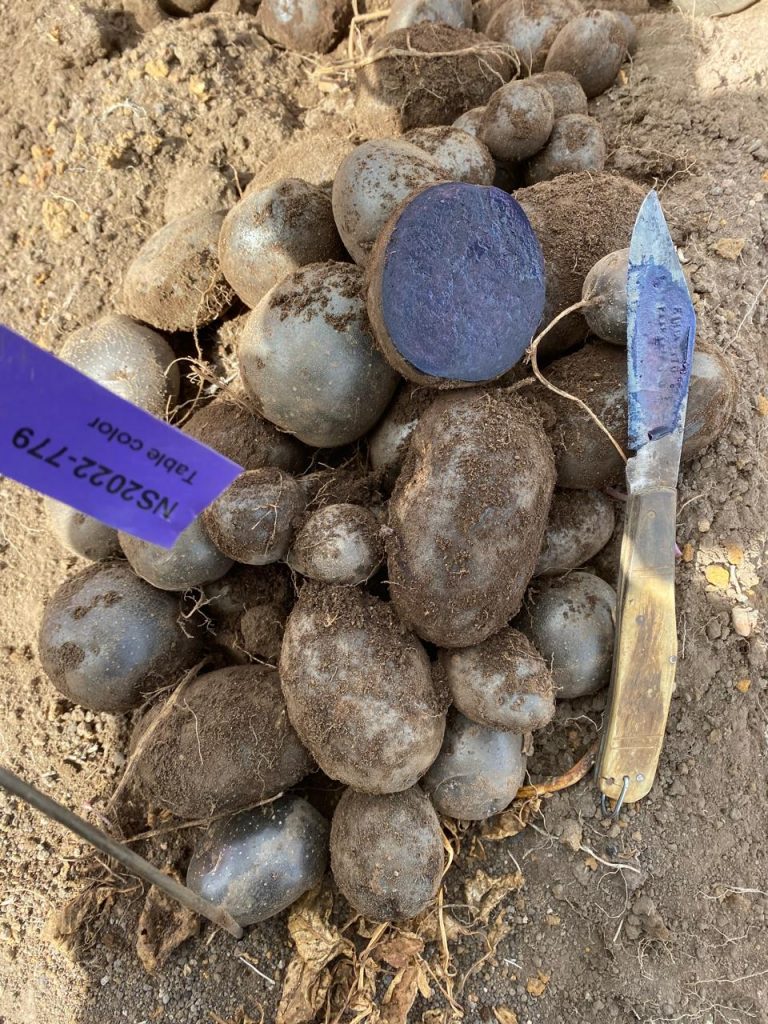
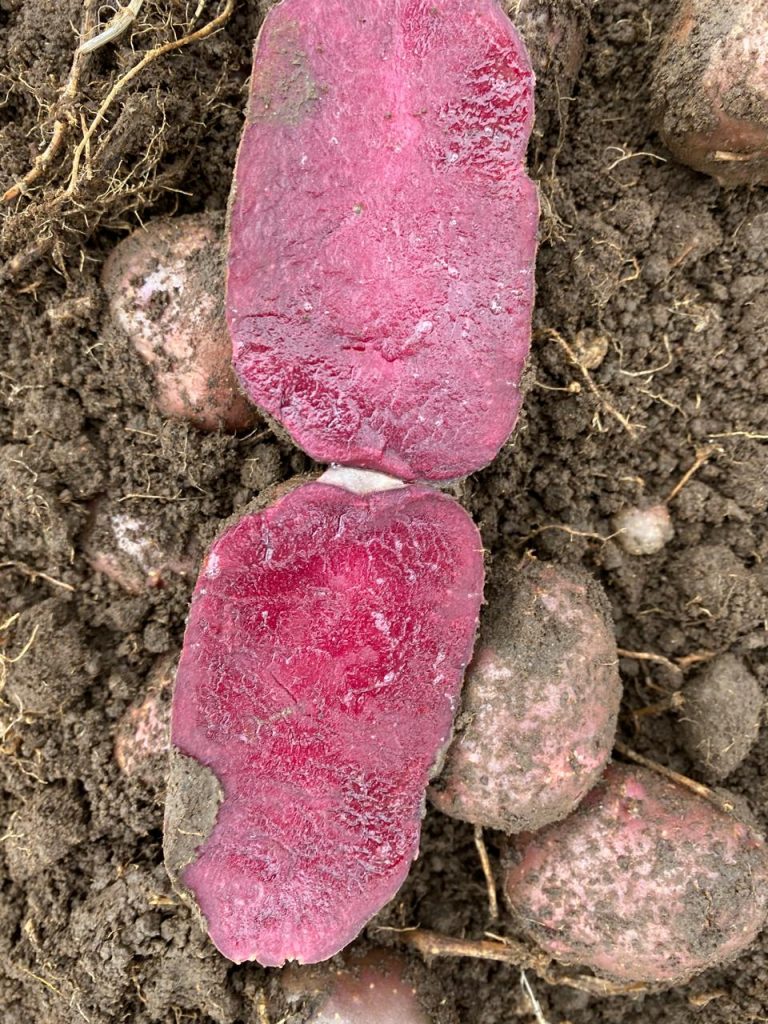
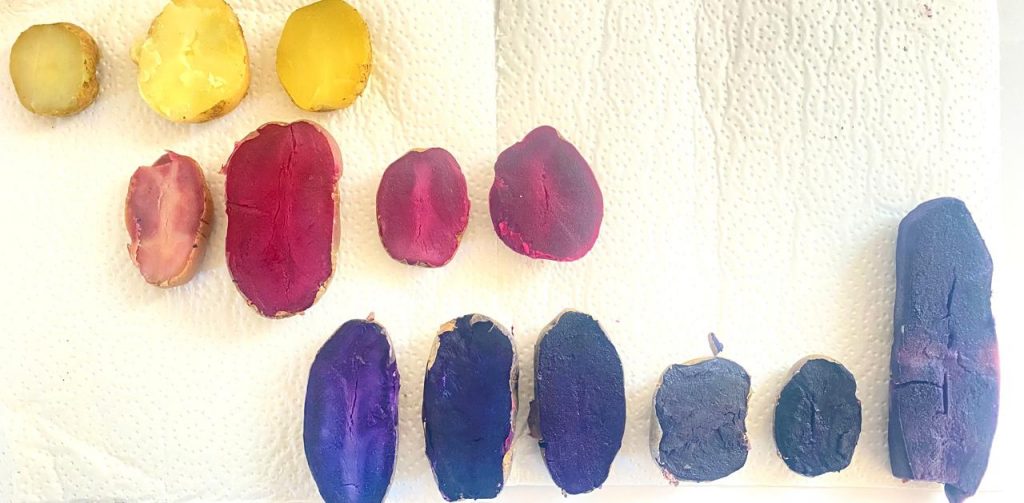
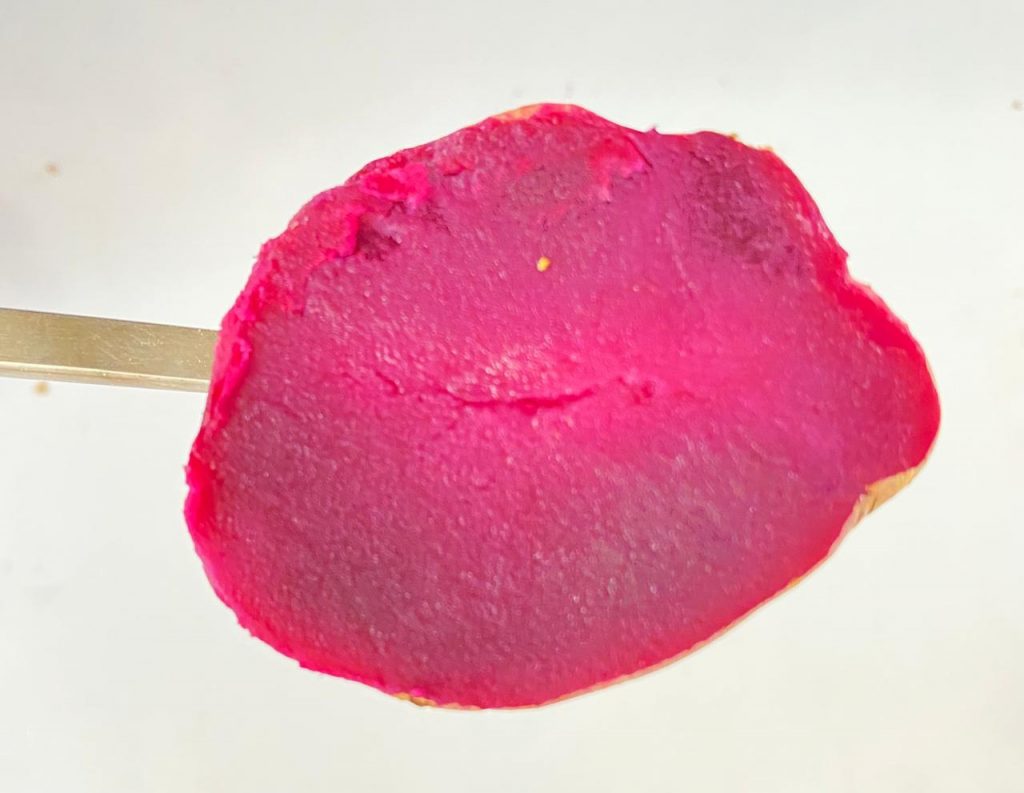
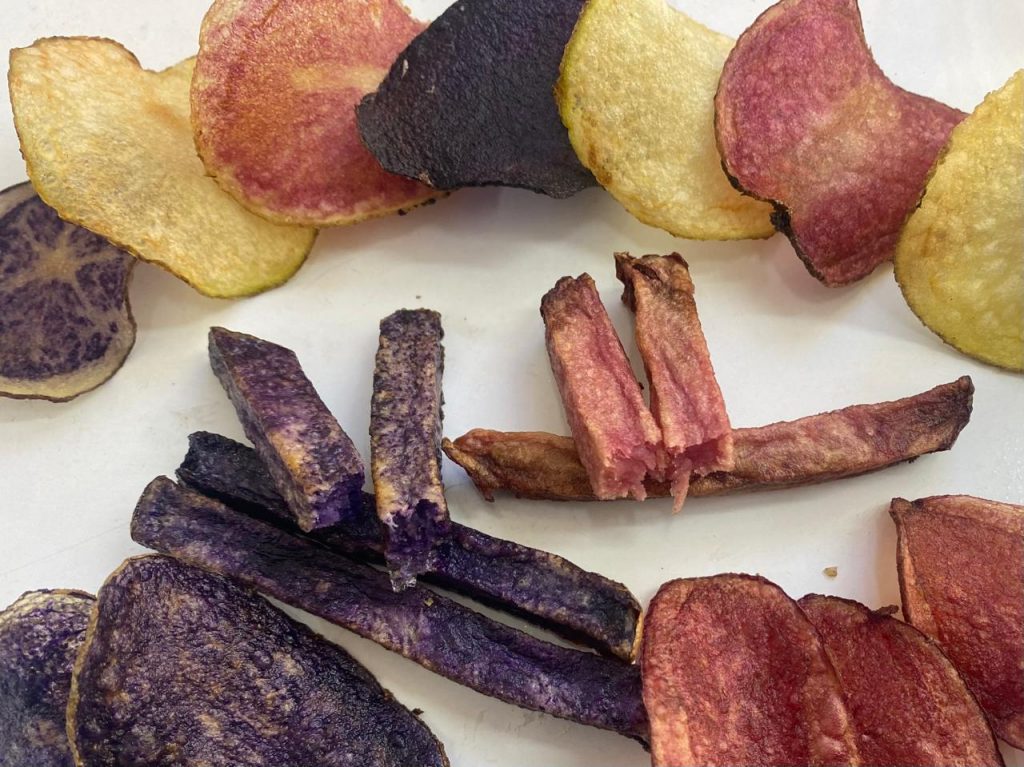
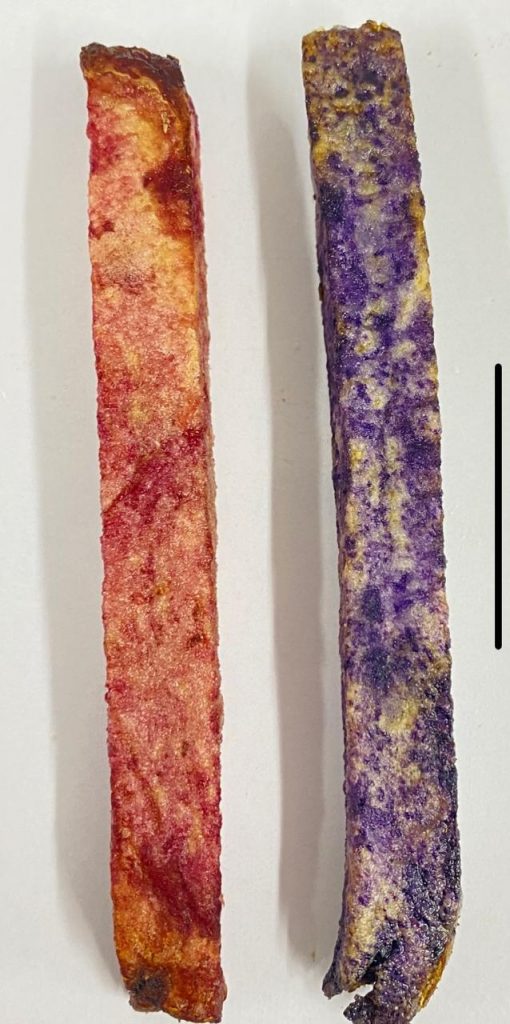
The family’s first commercial breakthrough was baby potatoes — 25–30 g tubers perfect for quick cooking. Next came the Rainbow line, featuring red, purple, and blue flesh.
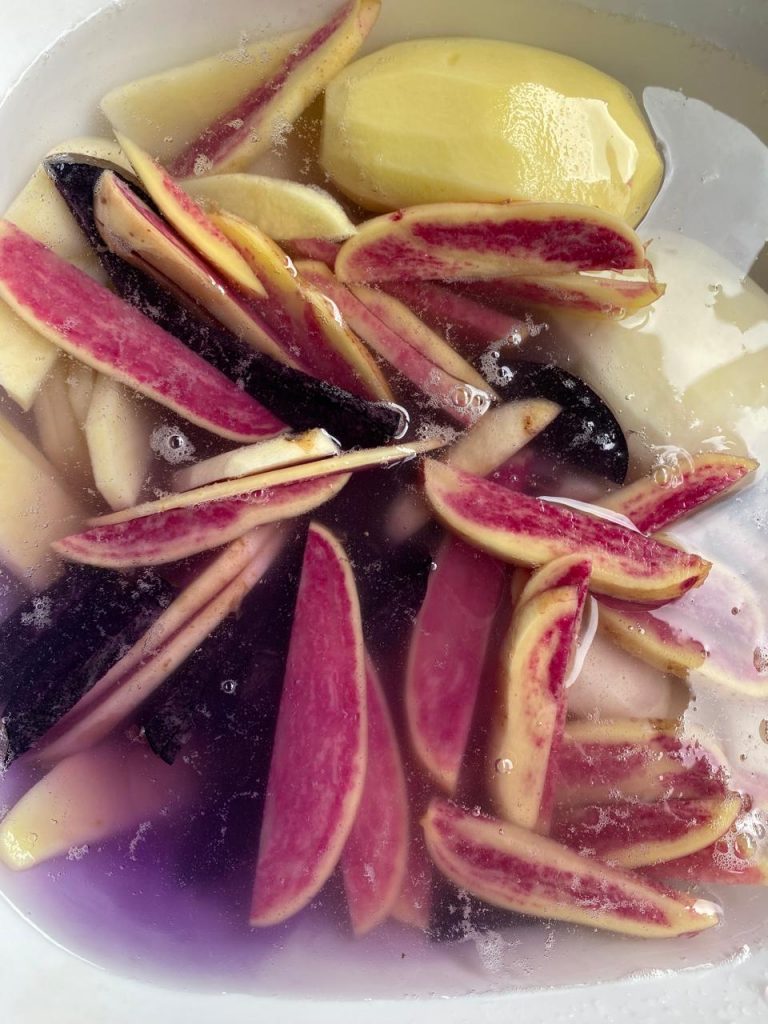
Visual appeal: The colorful varieties turn potatoes into a plate-ready star without artificial dyes.
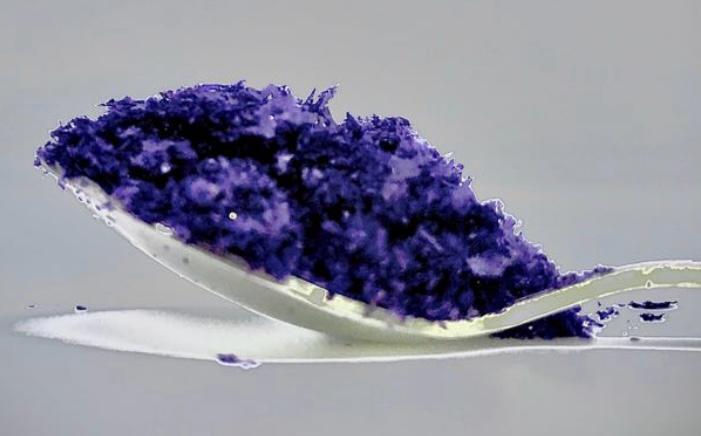
Nutritional boost: Anthocyanins in the pigment act as natural antioxidants, tapping into the growing global demand for functional foods.
- Functional Nutrition: Nutrients Under the Skin
Contreras’ breeding strategy now focuses on more than just yield:
Glycemic control: Certain lines slow starch-to-sugar conversion, a boon for blood sugar management.
Nutrient density: A skin-on serving of a medium tuber can provide a third of the daily vitamin C requirement and a quarter of the potassium.
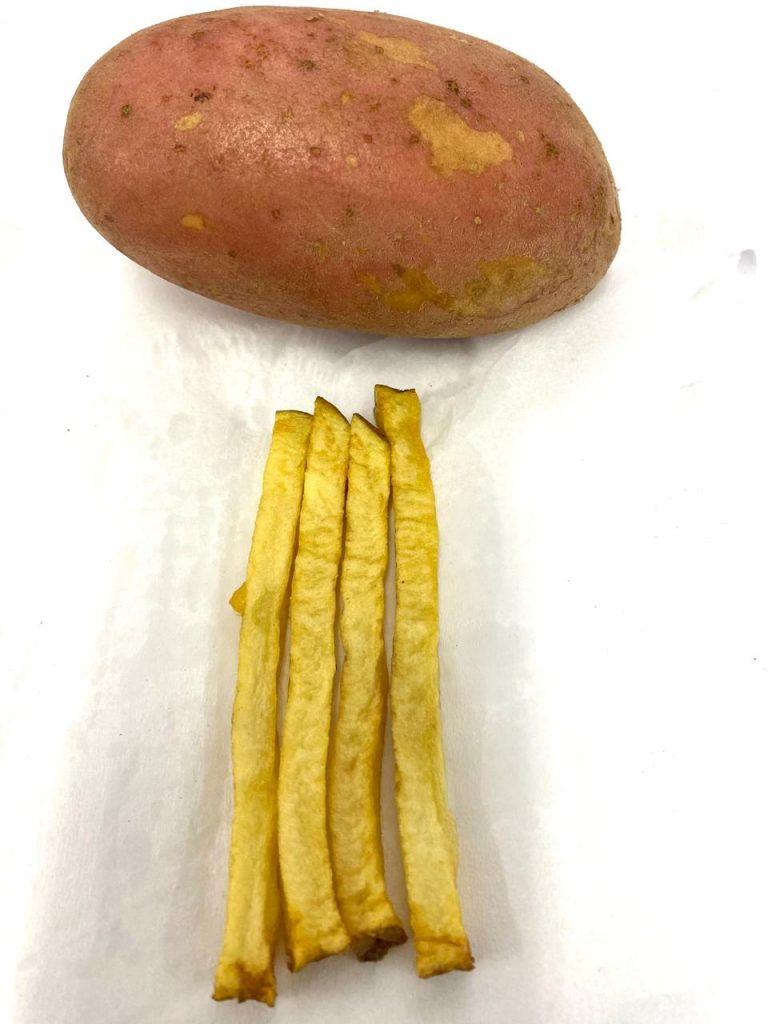
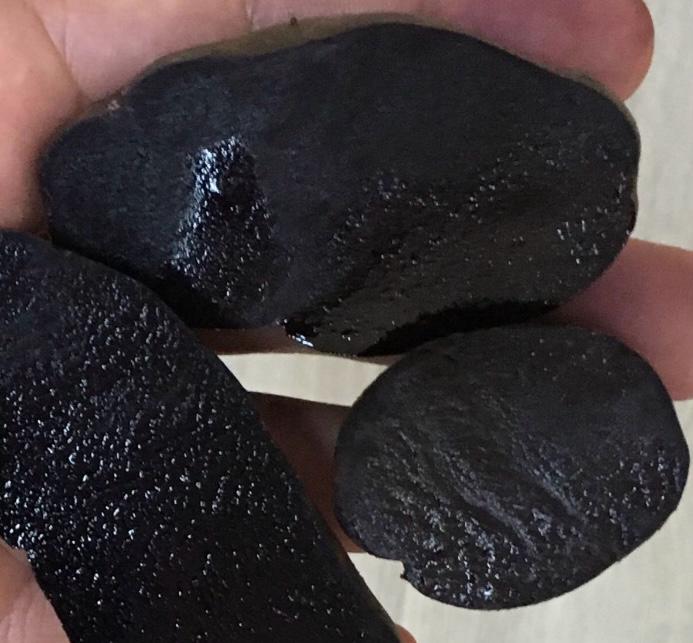
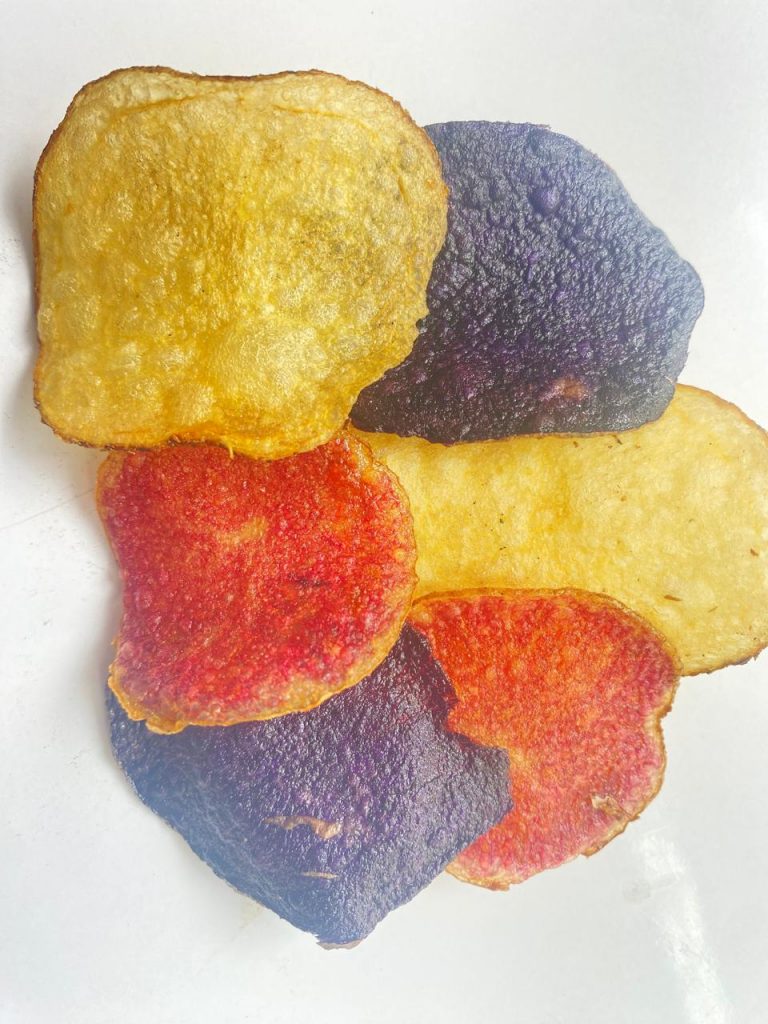
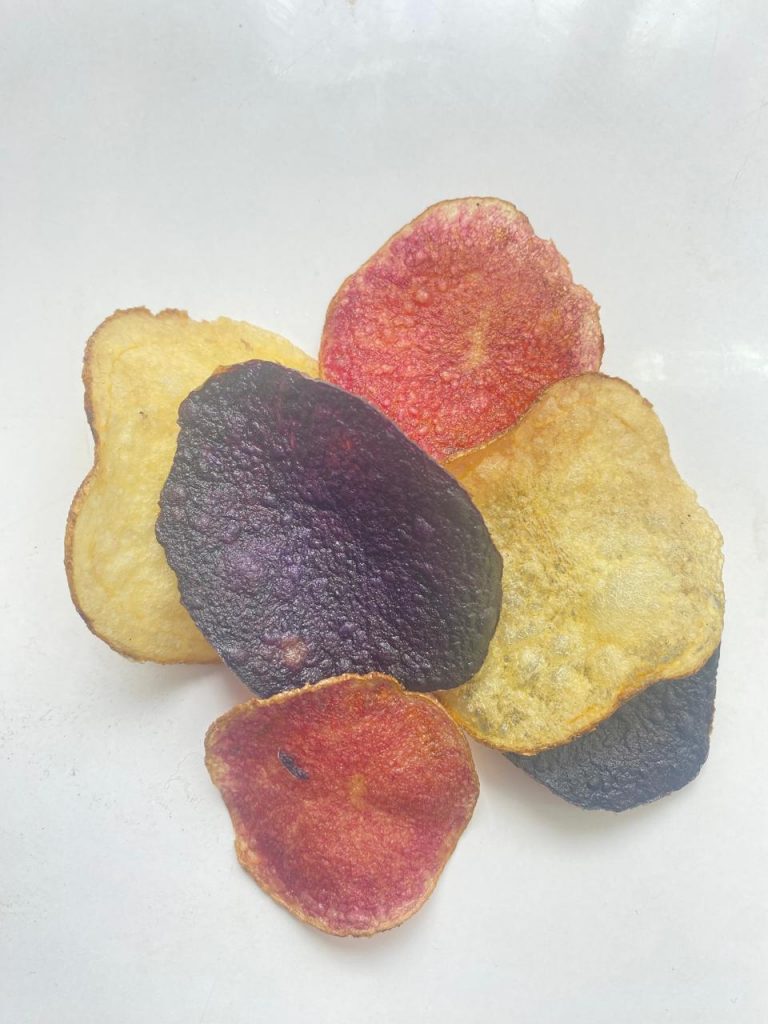
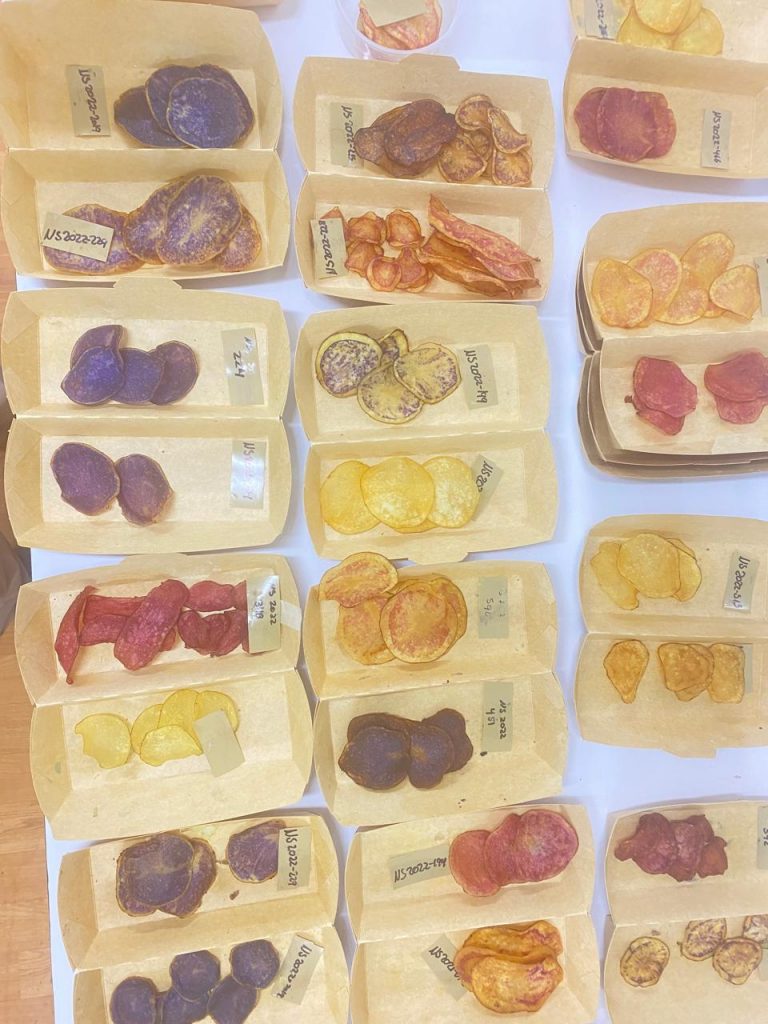
Heat-stable pigments: Pigmented varieties retain both color and health benefits, even after frying.
“We screen every new line for antioxidant activity, protein content — not just tuber size,” Boris notes.
- Potatoes vs. Climate: Resilience as the New Normal
South Chile has shifted from weekly summer rains to two-month droughts. In response, Novaseed now focuses on varieties that:
Withstand heat and water stress,
Maintain yields with lower fertilizer inputs, and
Store for up to ten months — a critical factor for processors and retailers.
These traits are setting a new benchmark for small and medium-scale farmers worldwide, balancing productivity with resource conservation.
- Global Trends Toward 2030
| Trend | What Will Change | Benefit for Consumers |
|---|---|---|
| Semi-processed products | Growth of chilled mash and ready-to-roast cubes | Time-saving with nutrient retention |
| Baby format | Standardized portions | Calorie control and plate presentation |
| Colorful varieties | Expanded palette in food service and retail | Natural antioxidants |
| New ingredients | Protein, fiber, natural colorants | Clean labels and gluten-free options |
| Local seed systems | Reduced phytosanitary risks | Freshness and traceability |
- Heritage as a Driver: Why the Family Model Works
Passing the torch from a researcher father to a breeder son ensures:
Access to unique germplasm,
A sustainability mindset — from field expeditions to modern labs, and
Agility — a family business can adapt more quickly to market shifts than large cooperatives.
Discussion Prompt:
What do you think is more important for the future of potatoes — cutting-edge genetics or preserving family breeding traditions? Share your thoughts below!
Watch our Exclusive Interview with Boris